Finding China’s best Snow Jacket manufacturer means looking beyond the lowest quote or largest factory. The right partner should turn a technical brief into dependable garments, batch after batch. That takes more than attractive product photos. Details matter. Buyers should examine shell-fabric specifications, insulation type, seam-taping quality, zipper performance, and how a jacket holds up after washing and wear. Ask who manages each production step, from pattern development to final inspection. A factory that explains its process clearly is easier to assess than one that makes broad promises. Still, a polished sample can hide production inconsistencies. Ask how sample approval carries through to bulk manufacturing.
This guide compares practical criteria: product experience, customization, communication, sampling, quality control, and realistic lead times. It also considers whether a supplier is a direct manufacturer or a trading company, since that difference can affect oversight and response times. Request examples of comparable jackets, material test documents where available, and a clear inspection plan. Check how the team handles fit comments, fabric substitutions, and delays. Small details reveal a lot. No single factory suits every brand; order size, target price, performance needs, and market all shape the decision. The best choice is one that can demonstrate relevant capability, communicate limitations honestly, and keep agreed specifications consistent. Treat any comparison as a starting point, then verify claims through samples, records, and direct discussion. Supplier performance can change over time. That is precisely why careful verification matters.
What Defines a Leading Snow Jacket Manufacturer in China?
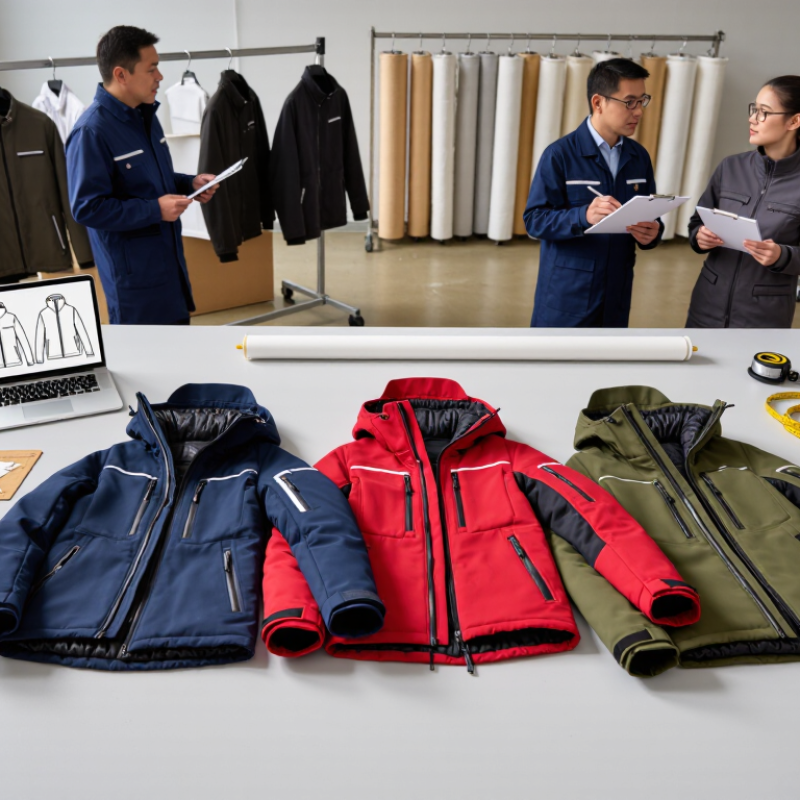
A leading snow jacket manufacturer in China is defined by more than attractive samples or a low quotation. It should show how shell fabrics, insulation, seam construction, and trims work together in cold, wet conditions. Ask for documented fabric specifications and relevant test results, then compare them with the jacket’s intended use. Inspect taped seams, zipper garages, cuff adjusters, and pocket placement on a physical sample. Small details matter. A reliable team also explains production capacity, inspection steps, and how it manages changes between sample approval and bulk production. Clear answers are useful.
Tips: Request a wear-test sample and check it after repeated movement, not just on a hanger. Ask who inspects fabric, stitching, and finished jackets, and what happens when an item fails inspection.
A strong manufacturer will discuss trade-offs honestly, such as warmth versus weight or water resistance versus breathability. Ask how material choices affect comfort during active use. No factory is perfect, and a polished sample can still differ from bulk output. Request a written specification and agree on measurable checkpoints before production begins. If replies stay vague, or revisions lack clear records, pause and ask more questions. Consistency is proven through process, not promises.
Where China’s Snow Jacket Manufacturers Operate
China’s snow-jacket manufacturing is concentrated in coastal textile and garment regions, not one single city. Zhejiang, including Hangzhou, Ningbo, and Jiaxing, offers fabric, trim, and garment suppliers within short shipping distances. Jiangsu has established apparel and textile clusters, while Guangdong supports broader sourcing networks and export logistics. Some factories specialize in insulated outerwear; others handle only sewing or finishing.
The scale is substantial. The China Chamber of Commerce for Import and Export of Textiles reported that China’s textile and apparel exports reached about US$293.6 billion in 2023. That figure covers many product categories, not snow jackets alone. So it signals manufacturing depth, but cannot verify a factory’s cold-weather expertise. When assessing a supplier, check whether its region provides access to down or synthetic insulation, waterproof fabrics, seam-taping services, and testing facilities. Ask for recent test records and sample jackets. A coastal address alone proves little. The map is not perfectly neat; capable suppliers may source key materials from other provinces.
Tip: Request a sample with taped seams, then inspect the hood, cuffs, zipper guard, and pocket stitching. Small details matter.
Where China’s Snow Jacket Manufacturers Operate
| Region |
Notable Apparel Areas |
Typical Supply-Chain Strengths |
Relevance to Snow Jackets |
What Buyers Should Verify |
| Zhejiang |
Ningbo, Hangzhou, Jiaxing and surrounding areas |
Broad garment manufacturing base, textile sourcing and export-oriented production. |
A practical region to investigate for cut-and-sew outerwear and suppliers able to coordinate fabrics and garment production. |
Ask for evidence of waterproof-seam construction, insulation handling and performance testing on comparable garments. |
| Jiangsu |
Changshu, Suzhou and nearby manufacturing areas |
Established clothing production and access to a dense textile and garment supply network. |
Worth considering for structured outerwear programs that require coordinated material sourcing and repeat production. |
Confirm factory capacity, sample-to-bulk consistency, inspection procedures and the origin of key performance materials. |
| Guangdong |
Guangzhou, Dongguan and surrounding areas |
Large apparel and export ecosystem with access to supporting services and a wide range of materials. |
Can suit buyers seeking flexible product development and access to multiple garment and trim suppliers. |
Check that the proposed production site—not only a trading or development office—has relevant technical outerwear experience. |
| Fujian |
Quanzhou, Jinjiang and nearby areas |
Strong regional presence in sportswear and related textile and footwear manufacturing. |
May be relevant for sport-oriented outerwear projects; snow-jacket capability varies by factory. |
Request samples and test reports covering fabric waterproofness, breathability, seam sealing and cold-weather construction. |
|
How to choose: There is no single region that is best for every snow-jacket project. These are broad apparel-manufacturing areas, not a verified ranking of snow-jacket factories. Evaluate individual suppliers by technical samples, independently verifiable test results, production-site audits, quality controls and experience with your required specifications.
|
How Materials and Construction Affect Jacket Performance
Who Is the Best Snow Jacket Manufacturer in China?
How Materials and Construction Affect Jacket Performance
A snow jacket’s performance depends on how its layers work together. The outer fabric should resist abrasion and shed moisture, while a membrane limits water entry without trapping too much perspiration. ISO 811 measures fabric resistance to water penetration; ISO 11092 measures thermal and water-vapour resistance. These tests help compare materials, but they cannot fully predict comfort on a windy chairlift or during a steep climb. Real wear trials matter.
Construction can make or break good fabric. Taped seams, protected zippers, and adjustable cuffs help block wind-driven snow at common leak points. Insulation also needs careful placement: bulky sleeves can restrict movement, while thin areas may feel cold against the shoulders. Textile Exchange’s 2024 Materials Market Report estimates polyester made up 57% of global fiber production in 2023. That figure reflects widespread availability, not automatic jacket quality. A factory should provide test results for the finished garment, not only fabric swatches. I’d still want to inspect stitching and fit in person; a neat sample does not guarantee every production run is consistent.
Tips: Ask for seam-tape adhesion and water-penetration test reports. Check pocket placement while wearing gloves. Then wear the sample in cold, damp conditions. Small details show up fast.
How to Compare Quality, Certifications, and Production Capacity
Choosing a snow jacket manufacturer in China requires more than comparing quoted prices. Ask for test reports covering fabric water resistance, breathability, seam sealing, and durability after washing. Textile Exchange’s Materials Market Report 2024 estimated global fiber production at 124 million tonnes in 2023, with polyester making up about 57%. This broad market figure is not a jacket-quality score, but it shows why material traceability and clear fiber specifications matter.
Check whether certificates are current and match the actual factory and product. A quality-management certificate, for example, does not prove that a jacket meets your waterproof target. Request batch-level test records, inspect seam-tape samples, and compare pre-production pieces with bulk output. Numbers help. A polished factory tour can still hide weak documentation, so verify claims with independent audits where possible.
Tips: Ask for monthly capacity by product type, not a general factory total. Confirm lead times during peak season, fabric sourcing plans, and the process for handling failed inspections. Review a pilot run before placing a large order; small defects, like lifting tape at a pocket corner, can become costly across thousands of jackets.
Who Is the Best Snow Jacket Manufacturer in China?
Waterproofness reference points for comparing snow-jacket fabric specifications
Hydrostatic-head ratings are commonly used to describe fabric water resistance. These values are practical reference points, not official certification tiers or data for specific manufacturers. Compare test reports using the same method, verify certification scope and validity, and confirm production capacity with documented output and lead-time records.
How to Choose a Manufacturer for Your Needs
Choosing a snow jacket manufacturer in China starts with the conditions your jackets must handle. A resort shell and a high-output alpine jacket need different materials, insulation, and construction. Define the intended temperature range, activity level, fit, and target price before requesting quotes. Details matter.
Ask for a sample made to your actual specifications, not just a similar style. Check fabric hand feel, zipper operation, hood coverage, and pocket placement while wearing it over the layers customers will use. Request seam-sealing details and relevant test reports for water resistance, insulation, and colorfastness. A polished sample is useful, but it does not prove every production unit will match.
Review how the factory controls bulk production. Ask who checks fabric rolls, stitching, measurements, and finished jackets, and whether inspection records can be shared. Compare lead times and minimum order quantities with your launch plan. A low quote may omit important construction steps, so ask what is included. I would not rely on one sample or one confident sales call; small differences in fabric batches can matter. Leave time for revisions, since the first specification is rarely perfect.
Conclusion
Choosing the best Snow Jacket manufacturer in China depends on more than price. A leading supplier combines reliable communication, experienced product development, consistent quality control, and the ability to meet agreed delivery schedules. Manufacturers operate across several regions, with different strengths in sourcing, garment production, and export services, so buyers should assess each factory’s capabilities rather than rely on location alone.
Materials and construction determine how a jacket performs in cold, wet, and active conditions. Compare insulation, shell fabrics, seam finishing, closures, and fit, and request samples to evaluate workmanship. Review relevant certifications and quality procedures, then confirm production capacity, minimum order quantities, lead times, and customization options. The right partner is one whose expertise, standards, and production flexibility match your product requirements and budget, supported by clear communication throughout sampling and manufacturing.

