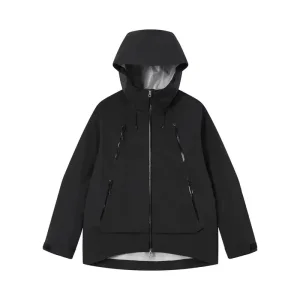
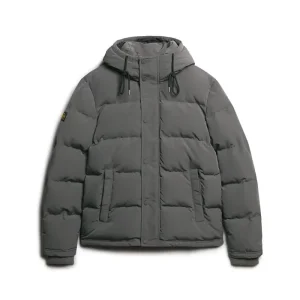
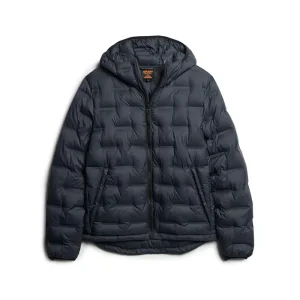
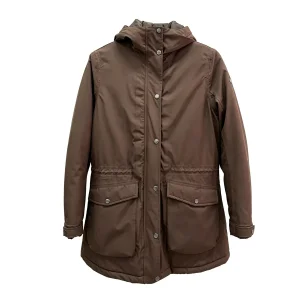
Verified outerwear architectures manufactured with sealed membrane lamination, active heating circuits, and high-frequency welded baffle configurations for international wholesale.
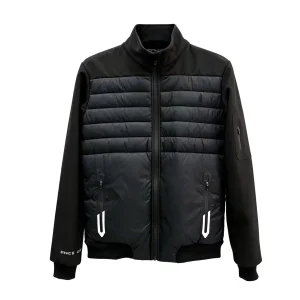
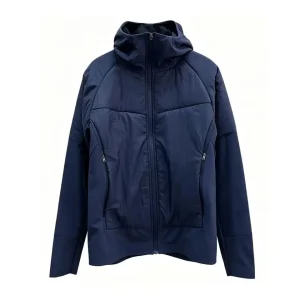
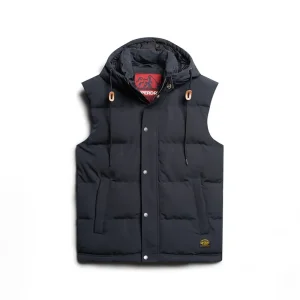
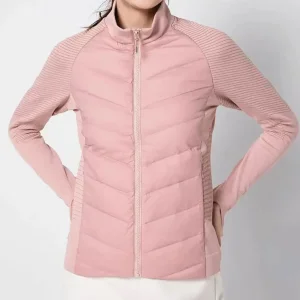
The convergence of advanced polymer membrane chemistry, smart thermal integration, and dynamic lifecycle traceability is redefining technical outerwear procurement standards worldwide.
Modern procurement requires precise alignment between climate dynamics and polymer selection. Hydrophilic polyurethanes (PU) prevent salt crystallization from human sweat during aerobic strain, while expanded polytetrafluoroethylene (ePTFE) provides unmatched moisture transmission rates (MVTR exceeding 20,000 g/m²/24h). Our assembly facilities utilize multi-layer composite calendering to prevent mechanical delamination under extreme cold stresses down to -40°C.
Active thermal management has evolved past bulky resistive wires. Contemporary heated performance wear incorporates micro-alloy conductive fibers braided within non-woven scrim pads. Integrated step-down DC/DC microcontrollers ensure power distribution from both 5V universal USB-PD protocols and 7.4V proprietary polymer pack configurations, backed by double-insulated, ultrasonic seam protection capable of sustaining over 50 industrial washing cycles without resistance degradation.
Driven by EU Corporate Sustainability Due Diligence Directive (CSDDD) guidelines and strict US state regulations, technical garment lines must completely eliminate long-chain (C8) and short-chain (C6) fluorinated chemical water repellents. We utilize bio-based polymer emulsion finishes and plant-derived silicones that achieve ISO 4920 spray ratings of Level 4+ while maintaining mono-material recyclability (100% recycled PET outer shells paired with rPET microporous membranes).
Enterprise retail buyers and tactical corporate sourcing divisions cannot base orders on subjective fabric samples. Comprehensive tech-pack evaluation relies on systematic physical and chemical testing parameters.
| Garment Architecture | Primary Membrane / Fill Spec | Standard Performance Envelope | Certified Testing Protocols | Factory Cost Drivers |
|---|---|---|---|---|
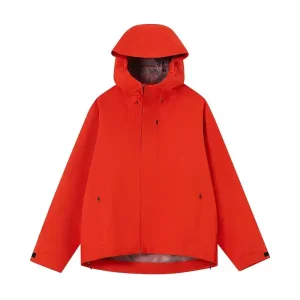
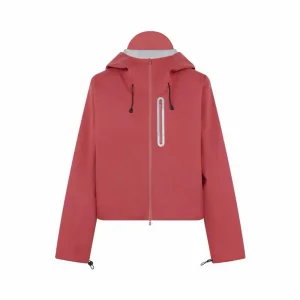
| 3-Layer Hard Shell Jacket | 70D Ripstop Recycled Nylon + ePTFE | 20,000mm Hydrostatic / 20,000g Breathability | ISO 811 JIS L 1099 B-1 | Laser cutting, 13mm seam tape application, waterproof zippers |
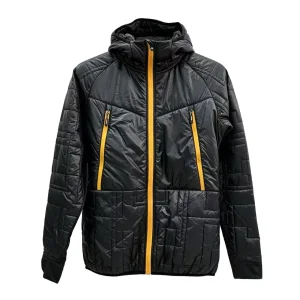
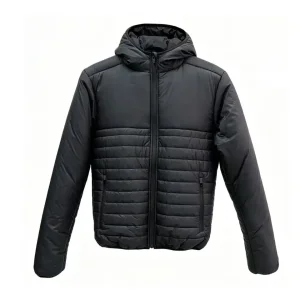
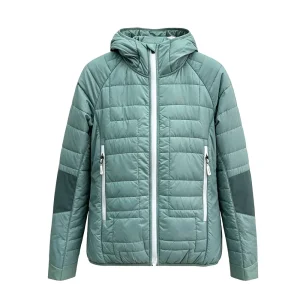
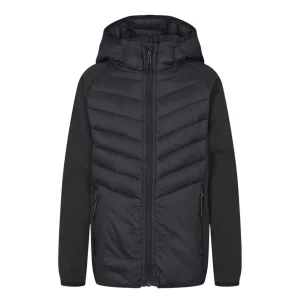
| Hybrid Active Midlayer | 100D 4-Way Stretch + 80gsm Synthetic Fill | CFM < 15 Wind Resistance, DWR Level 4 | ASTM D737 AATCC 22 | Zoned baffle construction, flatlock fleece seam transitions |
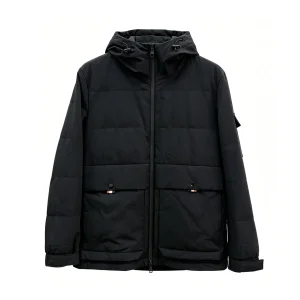
| Baffle Down Puffer Parka | Toray Micro-Ripstop + 750FP Hydrophobic Down | RDS Certified 90/10 Ratio, EN 342 Cold Resistance | IDFB Testing EN 12130 | Automated pneumatic down injection, baffle chamber sealing |
| Smart Heated Parka / Vest | Composite Pongee Shell + Carbon Graphene Mesh | 3-Zone / 4-Zone Heating, 35°C to 55°C output | CE-LVD EMC Directive | SMT controller assembly, waterproof encapsulation, connector harness |
| Heavy Industrial Workwear | Cordura® Polyamide Blends + Fluo Canvas | 10,000+ Martindale Abrasion, Class 3 Hi-Vis | EN ISO 20471 EN 388 | Triple chain stitching, bar-tacked stress anchors, microprismatic tape |
From initial design conversion to final multi-axis testing, discover how our vertically integrated production floor eliminates quality variances across massive bulk runs.
Tech packs are transformed through digital CAD systems that optimize nested marker efficiency, reducing raw fabric scrap waste to below 4%. Multi-ply vacuum conveyor tables cut technical waterproof fabrics with millimeter precision, eliminating sizing drift across graded runs from XS to 5XL.
Sewing punctures are prime failure vectors for waterproof outerwear. Our manufacturing facilities deploy hot-air welding units equipped with programmable digital tension controllers. Seam tapes (3-layer nylon or stretchable PU) are vulcanized at monitored temperatures and pressure profiles, maintaining seam peel strength above 25 N/cm.
Before batch dispatch, finished products are tested in our certified in-house lab. Fabric bolts undergo Suter hydrostatic pressure testing, bundesmann rain simulation, Martindale surface wear checks, and down leak quantification through mechanical tumble cycles, ensuring fewer than 0.5% warranty claim rates across retail distributions.
Operating from the Quanzhou industrial textile cluster, our logistics interface provides enterprise buyers with comprehensive trade documentation, social compliance certifications, and frictionless multimodal transit.
Production facilities undergo BSCI, SMETA (Sedex 4-Pillar), and WRAP audits, guaranteeing full traceability of labor practices, occupational safety, and verified wage compliance.
Compliant with OEKO-TEX® Standard 100 Class I/II and bluesign® chemical management systems. REACH SVHC screening guarantees the exclusion of harmful plasticizers, phthalates, and banned azo dyes.
Flexible commercial execution covering FOB Xiamen/Quanzhou, CIF, and DDP to European and North American 3PL warehouses. Pre-cleared master packing lists, digitized carton barcodes, and customs classification codes.
Comprehensive certificates of origin (Form A, RCEP, GSP) and raw material country-of-origin documentation simplify global tariff clearance and provide transparent bill-of-lading processing.
Explore the transformative manufacturing and technical trends defining functional outerwear developments over the next five-year product development cycles.
Moving from manual pattern cuts to CLO3D and Browzwear volumetric stress modeling. Virtual draping allows corporate procurement teams to confirm silhouette, mechanical seam stretch, and pocket placements in hours, reducing prototype lead times by 70% and accelerating production schedules.
The integration of encapsulated silica aerogel batts provides thermal barriers that match down fill performance at half the baffle thickness. Paired with non-toxic phase-change microcapsules, modern technical outerwear dynamically absorbs body heat spikes during exertion and releases it as resting metabolic rates decline.
Future smart heating platforms are transitioning to Bluetooth Low Energy (BLE) microcontrollers equipped with ambient humidity and kinetic body monitoring. Outerwear automatically modulates temperature zones without manual user intervention, powered by flexible solid-state batteries seamlessly integrated inside structural seams.
Clear, definitive answers to technical manufacturing questions, costing matrices, and lead-time schedules for commercial apparel directors.
Unit costs are governed by five structural factors: outer shell denier and polymer composition (e.g., 20D vs. 300D ripstop nylon), membrane chemistry (PU vs. ePTFE lamination), seam construction (sewn vs. 100% vulcanized tape seam meters), insulation specs (synthetic loose clusters vs. high-fill-power RDS goose down), and hardware choices (SBS reverse coil vs. YKK AquaGuard® waterproof zippers).
For custom ODM/OEM designs utilizing stock performance shell fabrics, our factory supports starting programs at 300 to 500 pieces per style/colorway. For bespoke pantone color dyeing or custom composite multi-layer membrane laminations, standard mill MOQs generally require 800 to 1,500 pieces per order.
Proto pattern development and fit sampling require 7 to 12 working days following tech pack approval. Upon confirmation of the Pre-Production (PP) sample and deposit of raw material orders, bulk mass manufacturing runs take between 45 to 60 calendar days, with rapid-replenishment programs negotiated separately.
Every active heated garment line undergo complete third-party laboratory verification: CE (EMC and LVD directives), RoHS certification, and UL 2056 standard testing for integrated power storage assemblies. Submerged salt-water washing tests verify internal silicone-encapsulated wire safety and short-circuit protection.
Explore cold-weather alpine protection, low-temperature mountaineering silhouettes, and urban commuting technical garments engineered for modern wholesale distribution.