10 Packable Rain Jacket Buying Tips for Buyers

Time:2026-11-04 Author:Sophia
0%

A sudden shower can turn a trail, commute, or market run into a test of one small garment. The Outdoor Industry Association’s 2024 Outdoor Participation Trends Report counted 175.8 million U.S. outdoor participants in 2023. That figure describes participation, not rain-jacket sales. Still, it signals how many people may need weather-ready layers across changing conditions. A Packable Rain Jacket can save space in a daypack, but compactness alone does not promise comfort or protection.

Buyers should compare waterproof construction, seam sealing, breathability, fit, weight, and packed dimensions—not just a product label. ISO 811 provides a standardized hydrostatic-pressure test for fabric resistance to water penetration, though it cannot predict every leak during prolonged wear. A jacket may shed drizzle yet feel clammy on a steep climb. Trade-offs matter. Check whether the hood adjusts over a cap, whether cuffs close around gloves, and whether the packed garment fits its stated pocket. These details are easy to overlook.

The ten buying tips ahead focus on evidence buyers can verify: material specifications, construction details, care instructions, and credible test information. Claims vary between brands, and ratings are not always directly comparable. That is an inconvenient gap. It means shoppers should ask what was tested, under which method, and whether the result applies to the finished jacket. A smaller pack size can be useful, but durability and fit deserve equal attention.
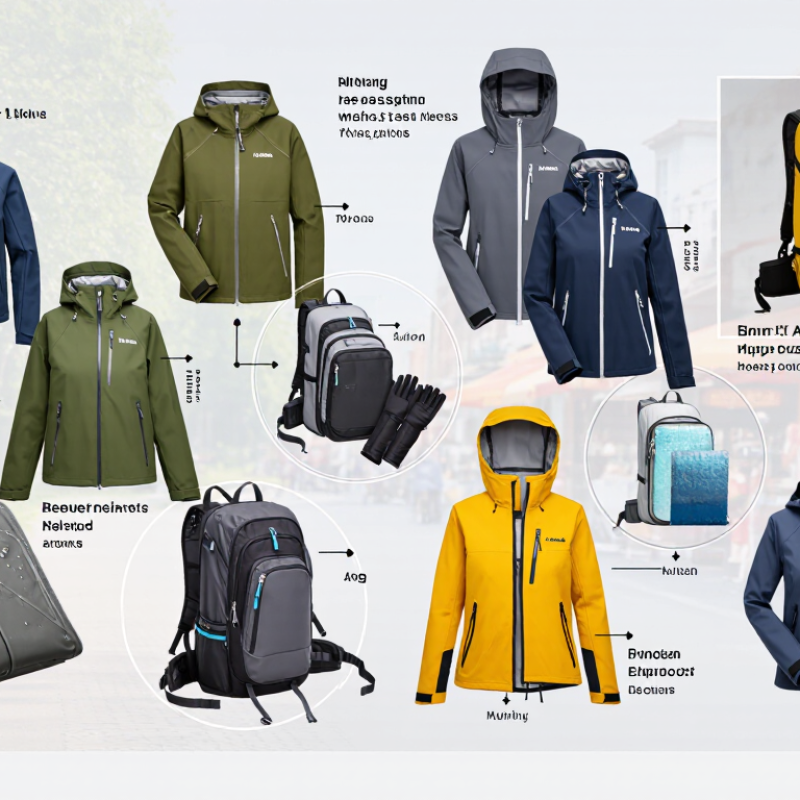
10 Packable Rain Jacket Buying Tips for Buyers

Define Your Intended Use and Typical Weather Conditions

Before choosing a packable rain jacket, picture the places and conditions where you will actually wear it. A short walk through city drizzle calls for different coverage than a windy hike with hours of exposure. Note your usual rain duration, temperature, wind, and activity level. Will you carry a daypack? Do you need room for a warm layer underneath? Small details matter. A jacket that feels fine over a T-shirt may bind at the shoulders over fleece.

Use local climate records, not just a broad weather label. NOAA’s 1991–2020 U.S. Climate Normals put average annual precipitation across the contiguous United States at about 30.28 inches. That national figure hides sharp regional differences, so check the monthly normals for your own area. Think, too, about seasonality: steady cool rain can feel very different from a brief, warm downpour. For travel, compare the forecast with the destination’s typical conditions. A compact shell may suit occasional showers, but frequent wind-driven rain calls for a more protective hood, secure cuffs, and enough coverage when you bend or reach. Test the fit with your usual layers and pack. I still find forecast icons easy to overtrust. Averages help, but they cannot promise what tomorrow brings.

Packable Rain Jacket Tip: Match Your Jacket to Typical Rainfall

Approximate common U.S. rainfall classifications: light rain is below 2.5 mm/hour, moderate rain begins at about 2.5 mm/hour, and heavy rain begins above about 7.6 mm/hour. Definitions can vary. For your intended use, consider how often you expect heavier rain, how long you will be outdoors, wind exposure, and activity level—not rainfall intensity alone.

Compare Waterproof Ratings, Breathability, and Seam Sealing

A waterproof rating gives buyers a useful starting point, not a guarantee of comfort. Hydrostatic-head figures describe how much water pressure fabric can resist, but test methods may differ. Compare ratings from the same testing standard when possible. A higher number can help in prolonged rain, yet fabric coatings and garment construction matter too. Check the product details carefully.

Breathability figures, often shown as MVTR or RET, can help you compare how moisture moves through a jacket. These measurements are not always directly comparable across manufacturers. Feel matters. For a brisk walk, a jacket that vents well under the arms may feel better than one with a high lab rating but limited ventilation. I would not treat any single number as a perfect prediction.

Look for sealed seams, especially across the shoulders and hood, where rain often collects. Fully taped seams usually offer more protection than sealing only the most exposed areas. Check the inside: tape should lie flat, without lifting edges or gaps near stitching. Also inspect zippers and pocket openings, since water can enter there. A packable jacket still needs practical venting and a secure hood; compressibility alone is not enough. Ratings can seem precise, but real comfort depends on pace, weather, and layering.

Assess Packability, Fabric Weight, and Long-Term Durability

When assessing packability, measure the jacket after folding it into its own pocket, not just by the advertised packed dimensions. A bundle that fits a daypack’s side sleeve is useful; one that fills half the main compartment may stay at home. Try packing it beside a water bottle and lunch. Check whether the fabric springs back or keeps deep creases after being compressed overnight. That small test says more than a neat product photo.

Fabric weight affects comfort and durability, but lighter is not automatically better. A thin shell feels pleasant on a warm walk and dries quickly, yet repeated rubbing from backpack straps can wear the shoulders. Heavier fabrics often resist abrasion better, though they may feel clammy during uphill travel. Check the fabric specification, seam taping, zipper construction, and reinforcement around cuffs and pockets. These details are more useful than vague claims such as “all-weather.”

Think about how you will actually use it. For occasional city showers, low weight may matter most. For frequent hiking, choose a shell that tolerates pack friction and can be repaired with ordinary patch tape. Inspect stitching after trying it on, especially beneath the arms. Fit matters too. A jacket that only works over a thin shirt can become useless when temperatures drop. I once underestimated that. The forecast changed. Test the hood and hem adjustments while wearing your usual layers, and avoid over-compressing the jacket for weeks; coatings and folds can age unevenly.

10 Packable Rain Jacket Buying Tips for Buyers - Assess Packability, Fabric Weight, and Long-Term Durability

# Buying tip What to assess Practical buyer check Potential warning sign
1 Check packed size Look for the packed dimensions or a clear photo showing the jacket beside a familiar object. Compare the packed bundle with the space in your daypack, pannier, or travel bag; test whether it fits its own pocket if advertised. “Packable” is stated, but no packed dimensions or storage method is described.
2 Compare garment weight Check the listed weight and confirm which size it refers to. Lining, pockets, and features can add weight. Compare jackets intended for the same use and size. Treat weight as one factor alongside coverage and durability. The weight is omitted, or different products are compared without consistent sizing or feature details.
3 Understand fabric weight If fabric weight is provided, check its unit (such as g/m²) and whether it describes the face fabric or the complete garment. Use fabric weight as a comparison clue, not a stand-alone durability rating; coatings, weave, and construction also matter. A weight figure is presented without a unit or without clarifying what part of the product it measures.
4 Review waterproof construction Look for a stated waterproof rating or test method, plus details about the membrane or coating when available. Check that the product is described as waterproof rather than only water-resistant if you expect sustained rain protection. Broad waterproof claims appear without supporting specifications or construction details.
5 Inspect seam sealing Check whether seams are fully taped or sealed, or whether sealing is limited to critical areas. Review close-up images and product specifications, especially for shoulders and other exposed seams. Seam treatment is unclear despite the jacket being marketed for wet-weather protection.
6 Balance breathability and ventilation Look for breathability information and features such as pit zips, mesh-backed pockets, or adjustable openings. Compare breathability figures only when the measurement method and units are the same; consider ventilation for active use. A single breathability number is given with no unit or test method for context.
7 Check abrasion-prone areas Examine the shoulders, cuffs, elbows, and hem for reinforcement or a more substantial fabric construction. Match reinforcement needs to likely contact with backpack straps, branches, or frequent everyday wear. Very lightweight fabric is expected to handle repeated abrasion, but no durability details are provided.
8 Assess closures and adjustment points Inspect the main zipper, storm flap, cuffs, hood adjustments, and hem drawcord for practical coverage and ease of use. Check whether adjustments are usable with gloves and whether the hood can be secured in wind. Exposed closures or loose adjustments may allow wind-driven rain to enter.
9 Consider care and water-repellency upkeep Read the care label and check whether the garment can be washed and, where permitted, tumble-dried or treated to refresh its durable water-repellent finish. Follow the specific care instructions. Surface water repellency can decline with wear and may need maintenance over time. Care requirements are missing or the finish is described as permanently effective without qualification.
10 Check fit, repair, and warranty support Review the size chart, layering room, return terms, warranty exclusions, and availability of repair guidance or replacement parts. Try the jacket over the layers you expect to wear and check the policy for zipper, seam, and fabric damage. Warranty length is highlighted, but coverage conditions and repair options are difficult to find.

Note: Specifications and test methods vary between manufacturers. Compare like-for-like measurements and review the care instructions for the specific garment.

Check Fit, Hood Design, Pockets, and Adjustment Features

A packable rain jacket should fit over the layers you actually wear, not just a thin shirt. Try it with a light fleece and raise your arms; the hem should not ride far above your waist. Move around. Sleeves that pull tight across the shoulders can become irritating on a long walk. A little room helps, but an oversized cut may let wind and rain in.

Check the hood in real conditions, or at least adjust it while wearing the jacket. It should turn with your head without blocking side vision. A firm brim can help keep water off your face, though a bulky one may be awkward to pack. Drawcords should be easy to reach with cold fingers. Fiddly toggles look minor in a store. Outside, they may not.

Look for pockets that remain usable beneath a backpack hip belt, and check whether zippers have protective flaps. Pocket placement varies, so test it with your usual pack. Adjustable cuffs and a hem cord can limit drafts, but too many tight points may feel restrictive. I sometimes favor simpler adjustments, even if they leave a small gap at the wrist. Try the closures before deciding; small details are easy to overlook when a jacket is folded neatly on a shelf.

Balance Price, Warranty, and Care Requirements Before Buying

Price alone can hide the real cost of a packable rain jacket. Compare the purchase price with likely years of use, and check whether the shell, zipper, and seam repairs are covered. Read the written warranty: some exclude damage from washing or ordinary wear. Small print matters. Textile Exchange’s Materials Market Report 2024 estimates global fiber production reached 124 million tonnes in 2023. That scale makes longer use worth considering, though it does not prove one jacket is greener.

Care can change how long a jacket performs. Check the care label before buying; some shells need gentle washing, and fabric softener may affect their finish. WRAP’s Valuing Our Clothes report links nine extra months of clothing life with 20–30% lower carbon, water, and waste footprints. That finding covers clothing broadly, not packable shells specifically. Calculate cost per expected wear, including detergent, repairs, and reproofing if needed. A low price may win. But a delicate coating, awkward care routine, or narrow warranty can make that bargain less convincing.

FAQS

How should I choose a packable rain jacket for my usual weather?

Consider rain duration, temperature, wind, and activity. A city walk in light drizzle needs less coverage than a windy hike. Check local monthly climate averages, too. Forecast icons can be misleading.

Should I try a jacket on with extra layers?

Yes. Try it over your usual fleece and with your daypack on. Reach forward and bend down. The shoulders should not pull, and the hem should still cover you.

What does a waterproof rating tell me?

It indicates how much water pressure fabric can resist, but it cannot guarantee comfort. Compare ratings measured using the same standard. Construction matters, too.

How can I tell whether a jacket will feel comfortable during activity?

Look for breathability details, such as MVTR or RET, but treat them as rough comparisons. Underarm vents may help on a brisk walk. Feel still varies with pace and layers.

What should I inspect for rain protection?

Check for sealed seams, especially across the shoulders and hood. Look inside for flat tape without gaps or lifted edges. Inspect zippers and pocket openings, too. Small leaks matter.

Is the lowest-priced jacket always the best value?

Not necessarily. Compare the price with expected years of use, repair coverage, and warranty limits. A narrow warranty or delicate coating may make a bargain less convincing.

What care details should I check before buying?

Read the care label. Some shells need gentle washing, and fabric softener may affect the finish. Include detergent, repairs, and possible reproofing in your cost estimate. Easy to overlook.

Do longer-lasting clothes always have a smaller environmental footprint?

Longer use may reduce clothing-related impacts, but broad estimates do not prove the effect for one rain jacket. I would not call any single purchase automatically greener.

Conclusion

Choosing a Packable Rain Jacket starts with understanding where and how you will use it. Consider your usual weather, activity level, and how much protection you need. Compare waterproof ratings alongside breathability, and check whether the seams are sealed to help keep rain out. A jacket that blocks water but traps too much heat may feel uncomfortable during active use, so aim for a balance suited to your conditions.

Next, assess how easily the jacket packs, its fabric weight, and whether its construction seems durable enough for regular wear. Check the fit over the layers you typically wear, along with hood coverage, pocket placement, and adjustable cuffs or hems. Before buying, weigh the price against the features and warranty, and review the care instructions to understand the upkeep required. These checks can help you choose a jacket that is practical, comfortable, and dependable for your needs.


Sophia

Sophia

Sophia is a dedicated marketing professional with an exceptional depth of knowledge about her company's products and services. With a keen understanding of market trends and customer needs, she crafts insightful blog posts that not only inform but also engage readers, enriching the company’s online......