A Spring Jacket is more than a lighter layer between winter and summer. For global buyers, it can serve commuters facing cool mornings, retailers planning seasonal displays, and customers moving between indoor and outdoor spaces. The challenge is balance. A jacket must offer useful coverage without feeling heavy, and its fabrics should suit the climates where it will be sold.
British designer and textile artist William Morris offered a principle that still fits product decisions: “Have nothing in your houses that you do not know to be useful or believe to be beautiful.” Applied to a Spring Jacket, that means details should earn their place. A secure pocket, a smooth zip, and a lining that does not cling can matter as much as a clean silhouette. Buyers should examine fabric weight, stitching, sizing consistency, and how the garment feels over a shirt or knit. Small tests reveal a lot.
But there is no single design that works everywhere. A breezy coastal market may need different coverage from a city with sudden showers. Even a good-looking sample can disappoint if sleeves pull when arms reach forward. That part is easy to overlook. Buyers can compare samples, request clear material specifications, and check fit across intended size ranges before placing orders. These steps do not remove every risk, but they make decisions more grounded. A well-chosen Spring Jacket earns space in a collection because it answers real needs—not just because the season has changed.
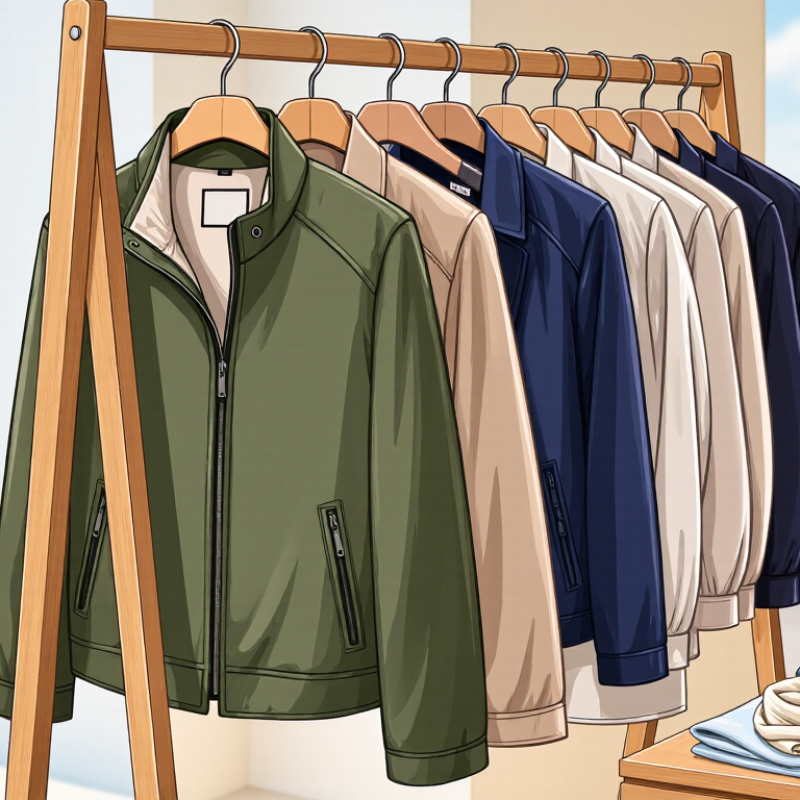
A spring jacket is best defined by its job, not by one fixed fabric or silhouette. It bridges cool mornings, warmer afternoons, and sudden light rain. Buyers commonly look for a lightweight shell, comfortable room for a shirt or knit layer, and practical details such as secure pockets and a smooth-running zipper. A bulky winter lining can make the jacket uncomfortable by midday. Too little coverage may leave it unsuitable for changeable weather.
Regional needs vary. A buyer serving a mild coastal market may prioritize breathability and a water-resistant finish; cooler inland regions may need a longer cut or a removable lining. There is no universal spring specification. That boundary is fuzzy. Fit trials across intended size ranges and climates help reveal problems that a product sheet may miss, such as tight shoulders over a sweater or sleeves that ride up when reaching.
Materials also shape the product definition. Textile Exchange’s Materials Market Report 2024 estimates that global fiber production reached 124 million tonnes in 2023 and could rise to 160 million tonnes by 2030. This scale makes fiber choice and material traceability relevant sourcing questions, not decorative claims. Buyers should check what a finish actually provides, how care instructions affect use, and whether fabric performance is tested consistently. It is easy to over-specify. A useful spring jacket balances weather protection, layering comfort, durability, and a clear market purpose.
Spring weather rarely stays predictable for long. A morning may begin near freezing, then turn mild under bright afternoon sun. A useful spring jacket manages these shifts without feeling bulky or trapping too much heat.
Look for a lightweight shell with a breathable lining and a secure front closure. A hood helps during sudden showers, while adjustable cuffs can keep cool air from slipping up your sleeves. On a breezy commute, these small details matter. A water-resistant finish can handle drizzle, but it should not be mistaken for full rain protection. Check the care label, too; repeated washing may reduce the finish’s effectiveness.
Layering makes the jacket more adaptable. Wear it over a thin sweater on chilly days, or over a shirt when the temperature rises. Two-way zippers and roomy shoulders can make movement easier when cycling or carrying a bag. Still, no single jacket suits every climate. Humid afternoons may feel uncomfortable in even a breathable fabric, and sudden downpours call for a proper rain layer. It is worth considering where and when you will wear it, not just how it looks on a hanger.
Spring temperatures rise at different rates across major cities. A lightweight, adaptable jacket can help users layer comfortably as conditions change throughout the season.
Monthly mean temperatures (°C), rounded. Climate-normal figures are illustrative city comparisons; local weather varies. Sources: UK Met Office climate averages, NOAA U.S. Climate Normals (1991–2020), and Japan Meteorological Agency climate statistics.
A versatile spring jacket starts with a fabric that handles changing conditions without feeling heavy. A tightly woven cotton blend offers a familiar hand and enough structure for daily wear, while a lightweight polyester blend often dries faster after a brief shower. Some buyers may prefer a water-repellent finish, but it should not be mistaken for full rain protection. Check the fabric in daylight. A lining can add comfort, yet too much lining may feel warm on a mild afternoon.
Details matter just as much. A two-way zip helps when sitting on a train, and adjustable cuffs keep cool air from slipping up the sleeves. Deep pockets should hold a phone without pulling the jacket out of shape. These features sound small. They change daily use. For sample reviews, test the jacket over both a T-shirt and a thin knit; shoulder movement can feel different across layers. A packable hood adds flexibility, though it may bunch at the collar. No single material works for every climate, and buyers sometimes prioritize a sleek finish over easy care. That trade-off deserves a closer look.
Spring weather rarely behaves the same way across regions. A buyer serving a cool coastal city may need a water-resistant shell and an adjustable hood. In a mild, dry area, shoppers may prefer a lighter layer that packs into a tote. Weather changes fast. Fabric weight, lining, and ventilation can matter as much as appearance.
Local habits shape style, too. Commuters often value clean cuts and pockets that hold a phone or transit card. In regions with sudden showers, covered zippers and secure cuffs are practical details. Warmer markets may favor unlined jackets in breathable cotton blends. Fit expectations also vary. A roomy cut may suit layering in one market but feel oversized elsewhere. Treating one size chart as universal is a common buying mistake; sample fitting with local wearers can reveal problems early. No single design works everywhere.
Tips: Compare typical spring temperatures and rainfall in each target region. Check sleeve length, shoulder movement, and pocket placement on real wearers. Ask for feedback after a full day of use, not just a quick fitting. Small details can still be missed, so review them before placing a larger order.
Spring jackets serve buyers across shifting temperatures, so sourcing decisions should begin with the intended market and use. A lightweight shell may suit mild, rainy mornings, while a lined style can feel too warm by midday. Check fabric weight, breathability, water resistance, and pocket placement against real wearing conditions. Small details matter.
Fit and construction deserve hands-on review. Ask for a size set, not only one sample, and compare measurements across sizes. Try the jacket over a sweater; tight shoulders can be missed on a hanger. Inspect seams, zippers, snaps, and lining after repeated wear and washing. Request clear material specifications and confirm that bulk production matches the approved sample. Supplier capacity, minimum order quantities, and delivery schedules also affect seasonal timing. A polished prototype is useful, but it does not guarantee consistent production.
Tips: Test samples in light rain and changing temperatures. Record measurements and defects with photos. Confirm color, fabric, and trim approvals in writing. If a detail seems uncertain, ask for another sample before placing a larger order. That extra check may feel slow, but missed fit issues are harder to fix later.
A lightweight shell, breathable lining, and secure closure help manage cool mornings and warmer afternoons.
It can manage drizzle, but it is not full rain protection. Sudden downpours need a proper rain layer.
An adjustable hood, secure cuffs, and covered zippers can help block wind and light showers. Small things matter.
Layer it over a thin sweater on chilly days, or a shirt when the afternoon warms up.
Roomy shoulders and a two-way zipper can make movement easier. Check the fit while moving, not just standing.
Not always. Fit expectations vary, so try samples with local wearers and check sleeve length and shoulder movement.
An unlined, breathable jacket may feel more comfortable. Humid afternoons can still feel warm in breathable fabric.
Ask wearers to test it during a full day and review pocket placement, fit, and comfort. Quick fittings miss things.
A Spring Jacket is a versatile staple for global apparel markets, designed to bridge the gap between cool mornings and warmer afternoons. Its lightweight construction and adaptable layers help wearers respond to shifting temperatures, light wind, and occasional drizzle without the bulk of winter outerwear. Practical details such as breathable fabrics, secure pockets, adjustable cuffs, and easy-to-layer shapes can make a jacket comfortable for everyday use across commuting, travel, and casual activities.
Regional preferences influence the most suitable colors, fits, materials, and levels of weather protection, so global buyers should consider local climates, lifestyles, and style expectations. When sourcing, they can assess fabric performance, comfort, durability, construction quality, size range, and design flexibility. A well-chosen Spring Jacket balances function and appearance, making it a dependable seasonal option for varied markets and customer needs.

