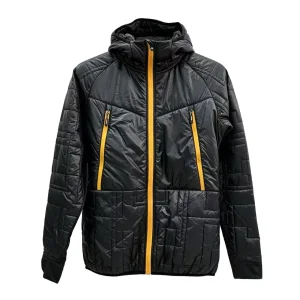
Discover high-precision garment solutions engineered with lean manufacturing methodologies, verified hydrostatic tolerances, and rigorous quality controls.
Analyzing consumer shift towards multi-scenario hybrid sleepwear, safety legislation compliance, and automated vertical supply integration.
The toddler category, specifically 2T (designed for 2-year-olds averaging 85-92 cm in height and 12-14 kg in weight), represents a transition phase from infant swaddles to active mobility sleepwear. Modern procurement demands garments engineered with bidirectional elasticity, moisture-wicking organic substrates, and reinforced stress points to handle continuous crawling, walking, and wash-cycle degradation.
Procuring toddler sleepwear requires flawless adherence to statutory mandates such as 16 CFR Part 1615/1616 (US Flammability Standard for Children's Sleepwear), OEKO-TEX Standard 100 Class 1 (toxicity limits for infant contact), and EU REACH chemical standards. Modern manufacturers must employ mechanical fire-retardant tight-fitting designs without relying on toxic bromine or chlorine-based treatments.
Global brands now evaluate factory viability through holistic transparency. At ZanQian Garment, situated in Quanzhou's Taiwanese Investment Zone, lean manufacturing workflows monitor every phase from yarn procurement, digital laser cutting, flatlock stitching, to automated needle-detection testing, eliminating systemic batch variances before ocean freight handoff.
A direct comparative technical framework enabling commercial brand sourcing directors to align fabric weights, breathability indices, and safety metrics with regional consumer demographics.
| Substrate Classification | GSM & Yarn Construction | Thermal & Skin Mechanics | Safety Compliance Metrics | Primary Industrial Use Case |
|---|---|---|---|---|
| GOTS Certified Combed Cotton | 190–220 GSM / 40s Compact Ring-Spun Rib Knit | Maximum dermic biocompatibility, zero static build-up, 18.5% natural vapor dissipation | OEKO-TEX Standard 100 Class 1, Zero Formaldehyde, CPSC Tight-Fit Compliant | All-season base pajamas, sensitive-skin medical wear, core retail replenishment lines |
| Thermo-Regulating Bamboo Viscose | 230–260 GSM / 95% Bamboo 5% Spandex Blend | Cool-to-the-touch hand feel, 4-way hyper-stretch flexibility, rapid capillary moisture transit | EU REACH Annex XVII, Hypoallergenic Certified, ISO 16322 dimensional stability | Summer onesies, multi-climate transitional loungewear, premium boutique private labels |
| Recycled Micro-Polar Fleece | 260–300 GSM / 100% rPET Anti-Pilling Knit | High warmth-to-weight ratio (0.85 Clo value), structural thermal entrapment channels | 16 CFR Part 1615 inherent self-extinguishing flame boundary, GRS 4.0 Traceable | Sub-zero winter sleepwear, footed outdoor play onesies, cold-climate holiday collections |
| Phase-Change Tech Blend | 210–240 GSM / Outlast Micro-Encapsulated Poly/Cotton | Active micro-climate stabilization via latent heat absorption and discharge (28°C–32°C) | RoHS, Non-Toxic PCM capsules, EN 71-3 Heavy Metal Migration Clearance | Next-gen smart sleepwear, medical-grade pediatric health apparel programs |
Navigating intelligent micro-climate regulation, circular lifecycle recycling, and automated digital production loops over the next commercial decade.
The near-term roadmap focuses on supercritical CO2 waterless dyeing technologies, reducing effluent discharge to absolute zero while locking in colorfastness ratings above 4.5 under ISO 105-C06 standards. Full mono-material execution ensures toddler garments can be fed directly back into mechanical spinning mills without post-consumer trim segregation.
By integrating flexible graphene conductives and micro-filament biometric circuits directly into the 2T rib waistband, next-generation prototypes allow continuous, non-invasive nocturnal thermal monitoring. Our factory's heated clothing and smart apparel testing laboratory provides an engineering pipeline to calibrate passive micro-sensor traces safely around toddler skin.
Transitioning from static bulk production runs to AI-driven predictive manufacturing. ZanQian is incorporating automated pattern-nesting algorithms that minimize fabric waste below 2.4%, backed by optical computer-vision cameras detecting yarn anomalies, skipped stitches, and asymmetrical neckline tension in real time at over 2,200 stitches per minute.
How structural toddler onesie pajama designs adapt to geographic climates, domestic heating infrastructures, and cultural sleeping habits.
Engineered to comply with US CPSC regulations without relying on flame-retardant chemicals. Patterns feature narrow sleeves, tapered torso cuts, and silicone gripper treads on footies to prevent slipping on hardwood and tile floor installations.
European buyers demand precise TOG ratings (1.0 TOG to 2.5 TOG) certified under EN 16781. The designs feature layered micro-baffles, fold-over mitten cuffs, and inverted 2-way resin zips with full placket storm flaps to prevent chin pinching during night transitions.
Used as an under-suit insulating layer for toddler ski apparel and winter travel. We combine water-resistant DWR treatment on outer ankle cuffs with breathable merino-poly knit bodies, ensuring toddlers stay warm and dry under insulated snowsuits.
Designed around humid summer conditions and indoor floor living. Features drop-bottom magnetic snaps, 100% combed gauze cotton textures, and extra crotch clearance to accommodate thick night-diaper absorption bulk without restricting leg motility.
How our vertically integrated facility bridges technical performance outerwear engineering with premium private label toddler loungewear production.
For established brands with complete design dossiers, we execute strict CAD pattern digitization, tolerance grading across all 2T standard deviations (±0.5 cm), matching custom Pantone TCX colorways, custom branding, silicone neck-label transfers, and sustainable bioplastic polybag packaging.
Leveraging an active internal design studio generating 30 to 50 market-ready seasonal collections each month. We provide ready-to-brand base patterns, pre-tested eco-dyes, custom jacquards, zipper placket innovations, and pre-production regulatory audit packages ready for rapid commercial launch.
Our in-house technical testing center subjects all toddler onesie production lines to rigorous seam-rupture tests (pull force > 70N on snaps/zippers), crocking colorfastness, fabric burst strength, and multiple 60°C commercial wash degradation trials, guaranteeing over 98% passed first-pass yield.
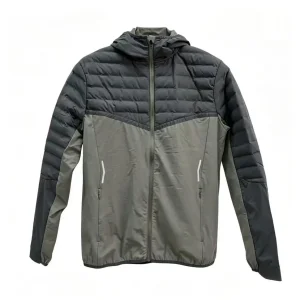
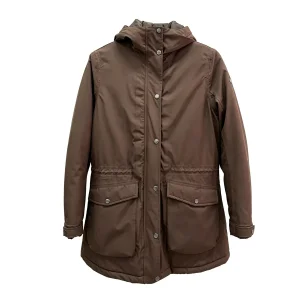
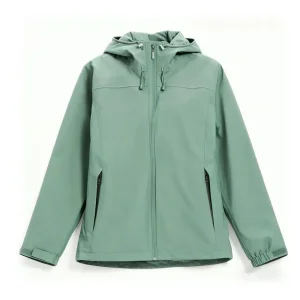
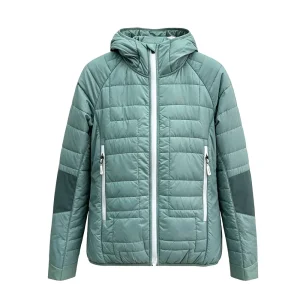
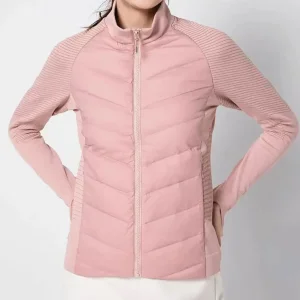
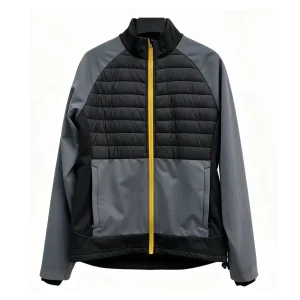
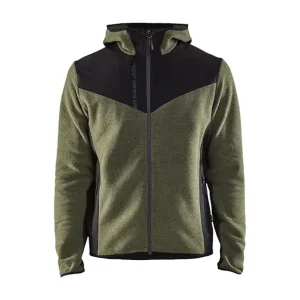
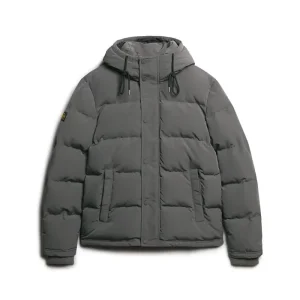
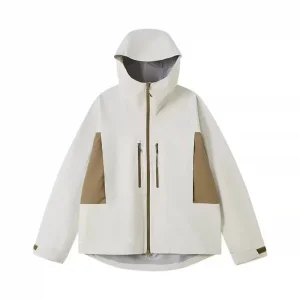
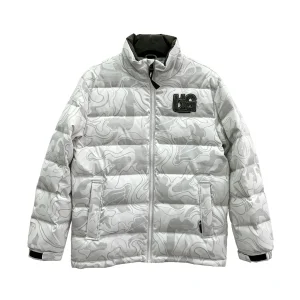
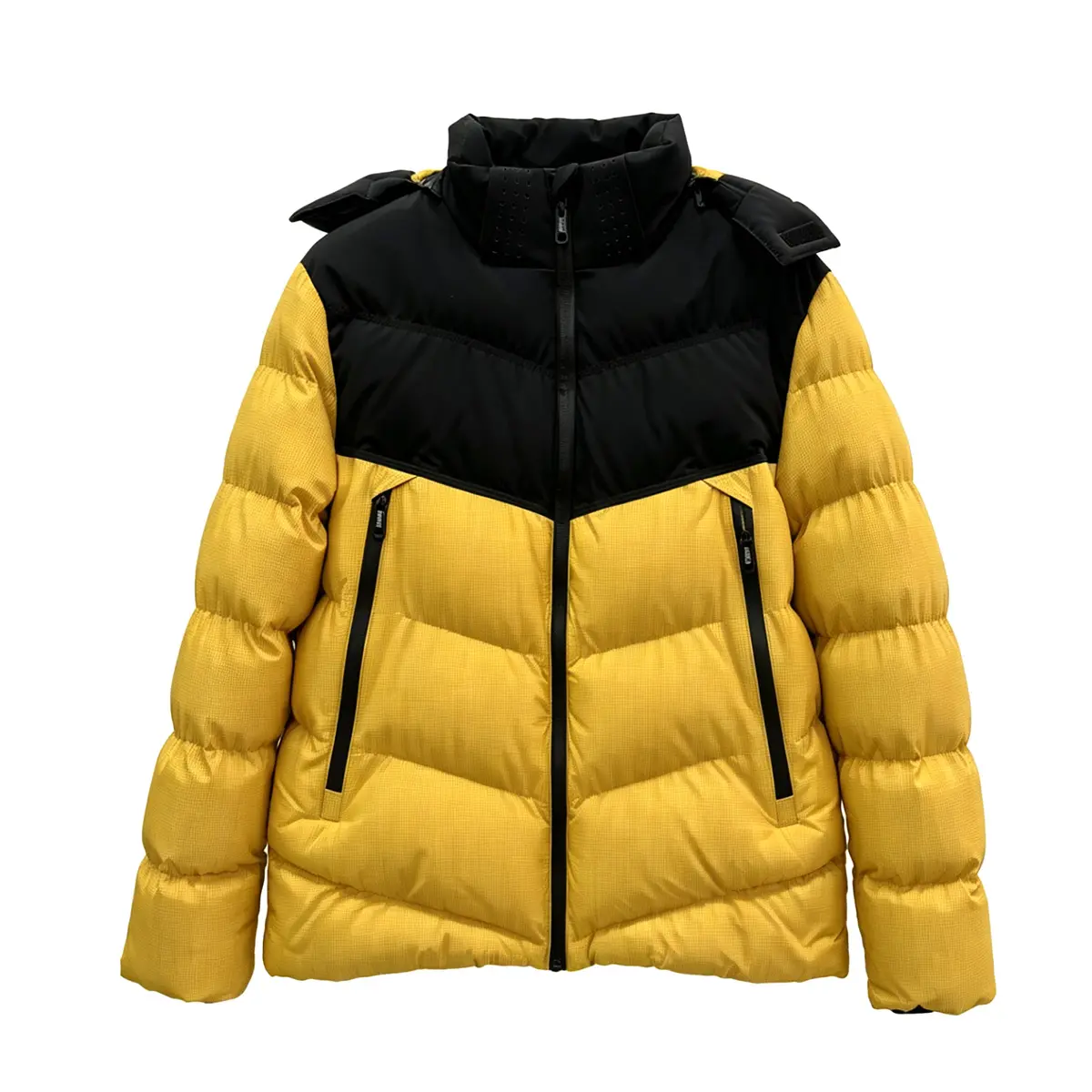
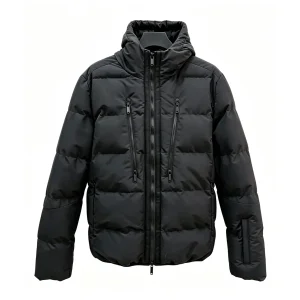
Expanding your commercial product portfolio with heavy-duty performance jackets, technical fleeces, and cold-resistant padded coats produced in our Fujian manufacturing facility.
Addressing critical procurement, testing, and production questions asked by apparel sourcing executives and global supply chain directors.
Size 2T corresponds to toddlers between 24 and 36 months, measuring 85-92 cm in height and 12-14.5 kg in body weight. Sizing patterns incorporate a 3-4 cm dynamic torso ease to fit over sleep diapers without exerting downward pull on the neck placket or restricting leg extensions during mobility.
We build our 2T cotton and bamboo loungewear strictly to "Tight-Fitting" dimensional tolerances specified in 16 CFR Part 1615.1(o). This design approach relies on snug body geometry that minimizes oxygen intake around the fabric surface, eliminating the need for synthetic chemical flame retardants.
For custom OEM programs utilizing client-specified fabrics and Pantone lab dips, our typical baseline MOQ is 800 to 1,200 pieces per colorway. Sampling prototypes are dispatched within 7–10 working days, with mass production runs completing in 35–45 days after pre-production sample sign-off.
Yes. All children's sleepwear hardware is subjected to ASTM F963-17 and EN 71 safety assessments. Zippers, snap closures, and decorative elements undergo 70-Newton tensile pull-force testing for 10 seconds to ensure zero small-part detachment risks. Every unit runs through 9-point calibrated metal detectors prior to box sealing.