Certified precision-stitched apparel and functional outerwear lines engineered under ISO 9001 and OEKO-TEX standard verification.
An analytical examination of supply chain shifting, multi-tier flammability compliance, and digital textile prototyping.
The procurement ecosystem for children’s sleepwear and onesie loungewear has pivoted radically over the past five years. Where procurement previously optimized strictly around baseline yarn cost, global institutional buyers and tier-one retail brands are now prioritizing multi-standard mechanical reliability, biochemical biocompatibility, and verifiable flammability performance. In pediatric apparel, the margin for manufacturing tolerances approaches zero: button shear retention thresholds must consistently exceed standard push-pull tests, zip teeth must be shrouded behind non-chafing chin and zipper garages, and knitted structures must balance precise thermal retention (expressed in TOG ratings) against moisture vapor transmission rate (MVTR).
As an established Chinese OEM/ODM vertically integrated manufacturing hub, our facilities manage technical iterations spanning from heavy polar fleeces (280–360 gsm) engineered without micro-plastic shed, to combed cotton-modal composite rib knits featuring hypoallergenic, low-formaldehyde finish treatments. Through precision cad systems, our digital pattern nesting models eliminate up to 14% of raw fabric waste compared to conventional manual cutting lines, delivering tangible price stability even amid global raw fiber volatility.
Childrens onesie pajamas demand extensive pull testing (>90N for snaps and toggles), zero small-part detachment vulnerabilities, and seamless laser-cut friction zones to eliminate pediatric dermatological abrasion during slumber.
Utilizing micro-chamber thermal mapping and variable-density brushing techniques, our fabrics achieve exact European TOG ratings (0.5 to 3.5 TOG), preventing nocturnal hypothermia or hyperthermia across seasonal fluctuations.
All slider pulls, press studs, and reverse zippers are manufactured with certified non-toxic zinc alloys and nickel-free coatings, completely compliant with Prop 65, REACH, and OEKO-TEX Standard 100 Class I (Baby Class).
Engineering sleepwear tailored to idiosyncratic regional safety legalities, interior heating infrastructures, and cultural wear habits.
For the US and Canadian jurisdictions, non-chemically treated cotton onesies must comply with strict dimensional constraints that minimize oxygen pockets between garment and skin. We maintain proprietary pattern-cutting geometries that maintain tight wrist, ankle, and torso contact margins while utilizing high-recovery elastane knitting to ensure ergonomic mobility during child activity.
In Scandinavia, DACH, and British territories, where indoor heating remains consistent (18°C–21°C), the demand skews toward breathable, moisture-wicking interlock knits and breathable bamboo-viscose onesies. We engineer high-MVTR textiles with flat-lock seams that eliminate skin micro-trauma, coupled with dual-direction SBS auto-lock zips for non-disruptive nocturnal diaper access.
Japanese and South Korean commercial environments prioritize certified organic cotton without whitening agents or fluorescent brighteners (zero optical brighteners detected under 365nm UV inspection). The silhouettes feature adjustable cuff fold-overs that prevent inadvertent facial scratching, accommodating both air-conditioned summer humidity and underfloor radiant winter heat.
How ZanQian leverages vertical integration, localized raw material clusters, and digital MES workflows to eliminate lead-time bottlenecks.
Operating out of the Quanzhou Taiwanese Investment Zone, our manufacturing loop enjoys immediate access to one of the world's most dense functional fabric, trim, and dyeing ecosystems. Yarn spinning, weaving, pigment printing, and zipper cast foundries sit within a 30-minute logistics radius, shrinking component lead times from weeks to 48 hours.
With 6+ digitalized production lines and 150+ specialized operators, every production batch is logged into an automated Manufacturing Execution System (MES). From laser fabric spreading through computer-guided overlock stitchers, live status tracking delivers 98%+ on-time freight ready rates across high-volume containerized schedules.
Positioned along the southeastern maritime hub of Fujian, we maintain immediate access to Quanzhou and Xiamen deep-water container terminals. Direct sea freight loops directly connect to Long Beach, Rotterdam, and Hamburg, providing end-to-end bill-of-lading visibility and flexible FOB, CIF, or DDP delivery frameworks.
Rigorous physical and chemical acceptance standards deployed at ZanQian’s functional testing lab prior to commercial cutting authorization.
| Evaluation Parameter | Industry Standard Method | OEM Operational Tolerance | Core Significance for Retail Brands |
|---|---|---|---|
| Snap & Button Pull Strength | ASTM F963-17 / EN 71-1 | ≥ 90 N continuous pull for 10s | Precludes small-part detachment and infant choking hazards during high mechanical stress. |
| Flammability Surface Burning | 16 CFR Part 1610 / 1615 / 1616 | Class 1 / Flame Spread > 7.0s | Guarantees strict statutory compliance for consumer imports into North American borders. |
| Formaldehyde & pH Equilibrium | ISO 14184-1 / ISO 3071 | Non-detectable (<20 ppm); pH 4.0-7.5 | Eliminates infant contact dermatitis and chemical reactivity with sensitive dermal layers. |
| Seam Breaking Strength | ISO 13935-2 / ASTM D1683 | ≥ 120 N cross-seam rupture | Ensures full structural integrity throughout rigorous domestic machine cycles and tumble drying. |
| Colorfastness to Saliva & Sweat | DIN 53160-1, 2 / ISO 105-E04 | Grade 4-5 (No migration) | Prevents pigment transfer when infants suck or chew collars, sleeves, and zip guards. |
Pioneering advancements currently shifting from ZanQian R&D pilot test benches into mass-production onesie pipelines.
Phasing out virgin petroleum fleece in favor of 100% rPET from post-consumer ocean plastics, certified via Global Recycled Standard (GRS). Blended with PLA (polylactic acid) fibers derived from plant starches, these materials yield zero toxicity during thermal biodegradation.
Transitioning our engineering pedigree in adult heated outerwear into infant nocturnal monitoring. Our current pilot programs test passive, wash-durable bio-conductive yarns that indicate localized temperature fluctuations without batteries or rigid circuitry.
Meeting upcoming EU Circular Economy mandates, our modern production lots can embed microscopic wash-resistant QR tags that instantly display chemical test reports, origin farm coordinates, and end-of-life recycling pathways directly to the end consumer.
Complete legal and audit transparency so importers can bypass dockside customs seizures and retail recall liabilities.
We supply complete Children's Product Certificates (CPC) based on accredited third-party lab testing (SGS, Intertek, TÜV). Every container includes comprehensive test references covering heavy metals (lead, cadmium), phthalate plasticizers (8P/10P), and sharp edge determinations.
Prior to carton sealing, each batch undergoes dual-stage final inspections following ISO 2859-1 (MIL-STD-105E) Level II single sampling plans. Zero critical defects are tolerated; minor stitch irregularities are filtered out before export packaging.
From woven satin damask neck labels and soft water-based heat transfers to custom barcode stickers, FSC-certified hangtags, and retail display polybags—our packaging lines deliver turn-key shelf-ready merchandise tailored precisely to client tech pack instructions.
Key operational clarifications for sourcing managers, category directors, and apparel brand founders.
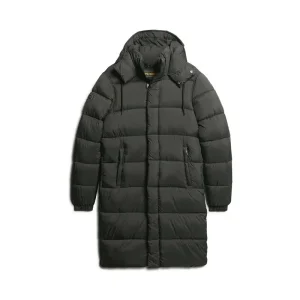
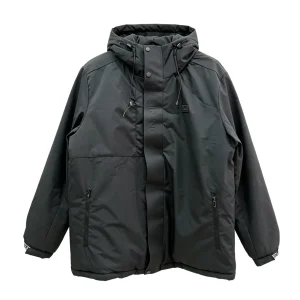
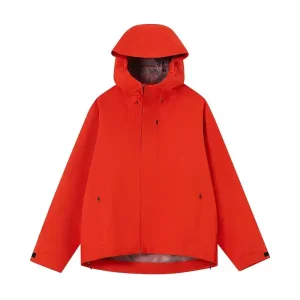
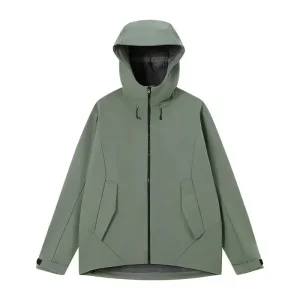
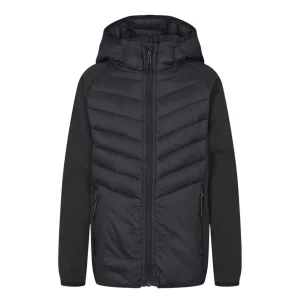
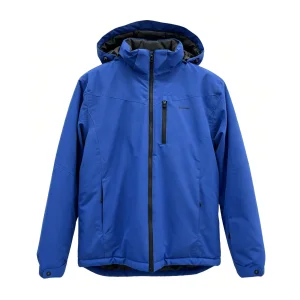
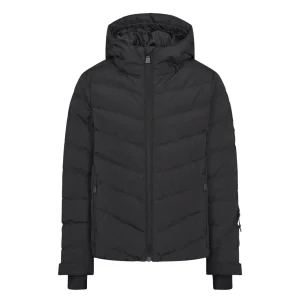
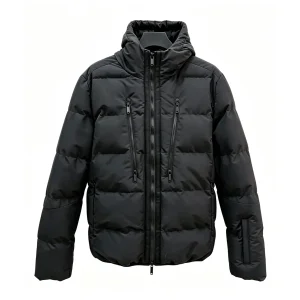
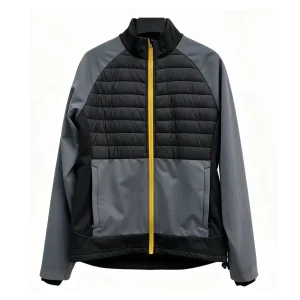
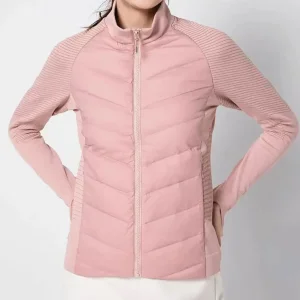
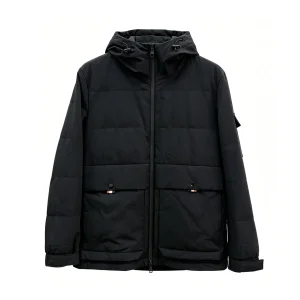
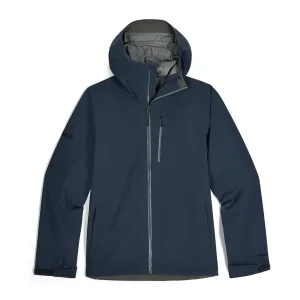
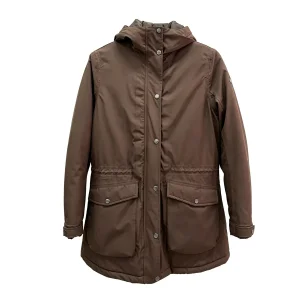
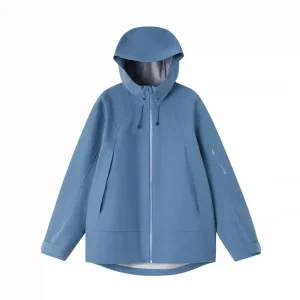
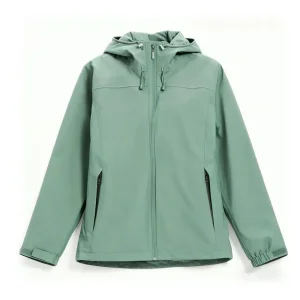
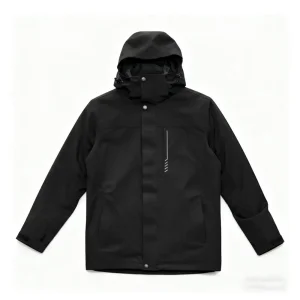
Specialized technical outdoor shell constructions and quilted insulations built on our Quanzhou lean assembly lines.