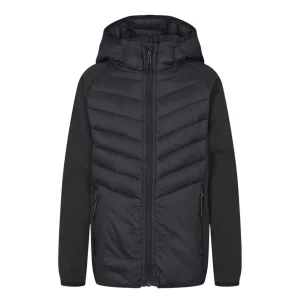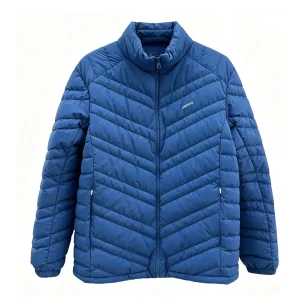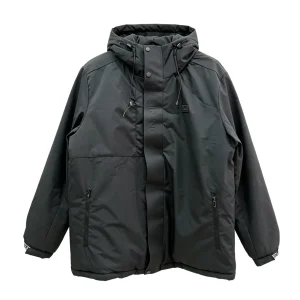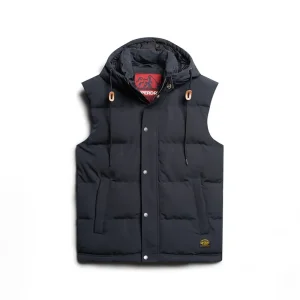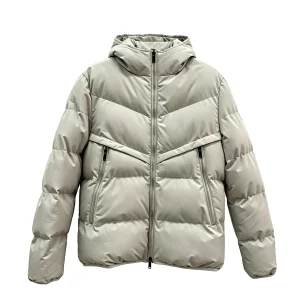
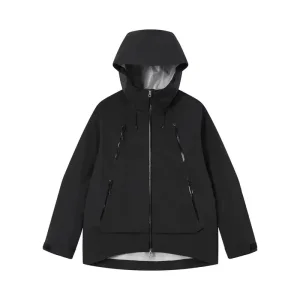
Pre-tested OEM and ODM configurations engineered with high tensile stitching, weather-sealed joints, and verified cold-climate resilience.
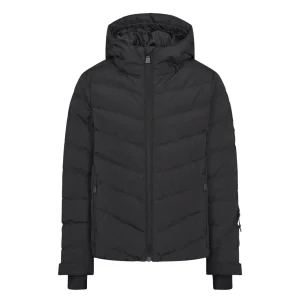
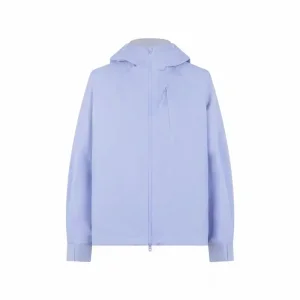
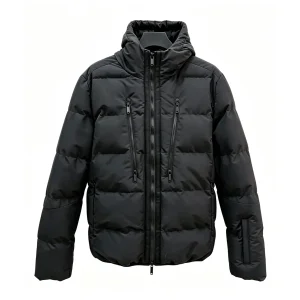
A strategic overview of industrialization parameters, fiber innovations, circular economy pressures, and supply chain realignments facing volume importers.
The global loungewear and hybrid one-piece apparel market has expanded from casual sleep attire into an active-comfort lifestyle category. Sourcing directors seeking bulk contracts for romper shorts onesie pajamas face shifting lead-time parameters and heightened standards for fiber durability. Brands are balancing off-shore volume pricing in Southeast Asian corridors against technical precision hubs in Quanzhou, China, where integrated weaving, digital pattern drafting, and computerized seam assembly mitigate quality drift.
Constructing high-grade romper shorts onesies demands technical solutions distinct from standard two-piece pajama sets. A one-piece garment distributes tension across the vertical axis (shoulders to crotch), which mandates anatomical 3D contour drafting to eliminate torso bind during seated or nocturnal rest. We integrate specialized gussets, micro-flatlock seams, and dynamic flex zones that adapt to involuntary body movement without compromising thermal equilibrium.
Scale manufacturing requires rigorous shopfloor traceability. Sourcing directly from advanced garment manufacturing ecosystems provides brands with automated cutting tables that limit fabric skew to less than 0.5%, paired with continuous quality control at tension-bearing points. As energy and raw fiber input prices fluctuate, volume buyers depend on factories with pre-allocated fabric milling contracts to protect margins over 12-month production cycles.
Overcoming non-tariff trade barriers, chemical compliance protocols, and technical certification hurdles across key global purchasing regions.
Navigating the United States and Canadian commercial markets requires absolute alignment with flammability standards (16 CFR Part 1610 for general wearing apparel and 16 CFR Part 1615/1616 for youth dimensions). When sourcing romper shorts onesie pajamas, suppliers must provide comprehensive testing dossiers verifying zero lead content in metal zippers, nickel-free snap buttons, and the total absence of toxic phthalates in silicone heat-transfer care labels.
Supply agreements destined for the EU single market and the UK require full traceability under REACH SVHC guidelines. European buyers prioritize hypoallergenic modal blends, biological organic cottons with GOTS tracking, and safe disperse dyes that show superior colorfastness against rubbing (ISO 105-X12) and washing (ISO 105-C06). Our integrated QC center ensures that bulk imports clear border customs without risk of chemical detention.
The contemporary romper shorts onesie spans diverse operational applications, demanding tailored fabrication solutions for different retail segments. Sourcing teams can configure yarn specifications, weight densities (180 GSM to 320 GSM), and closure trims to match exact consumer usage profiles:
A reference benchmark outlining structural selections, fabric properties, and laboratory testing parameters across onesie categories.
| Garment Segment | Primary Fabric Blend | Weight (GSM) | Closure & Hardware System | Structural Stitch Pattern | Target Inspection Standard |
|---|---|---|---|---|---|
| Summer Romper Shorts | 95% Bamboo Viscose / 5% Elastane | 180 – 210 GSM | Concealed resin two-way zips / snap buttons | 4-thread flatlock anti-friction seam | AATCC 8 / 61 Colorfastness, ISO 13936 |
| Thermal Core Onesie | 65% Combed Cotton / 35% Poly Waffle | 240 – 280 GSM | Heavy-duty nylon coil zips with inner flap | 5-thread overlock with safety topstitch | ASTM D3786 Bursting Strength > 110 psi |
| Active Recovery Lounger | 78% Recycled Poly / 22% Spandex Interlock | 220 – 250 GSM | Bonded low-profile autolock zip hardware | Seamless ultrasonic weld + inner soft tape | ISO 13934-1 Tensile & Stretch Recovery |
| Winter Fleece Onesie Pajama | 100% Micro-Polar Anti-Pilling Polyester | 280 – 320 GSM | Dual-slider YKK nylon zipper with chin protector | Reinforced bar-tacking on stress pockets | ASTM D3512 Random Tumble Pilling (Class 4+) |
Predictive advancements shaping the next five years of one-piece loungewear production, material science, and supply chain automation.
The sleepwear sector is actively phasing out petrochemical elastanes in favor of renewably derived, plant-based flex polymers. Current ODM initiatives center around closed-loop dyeing cycles that achieve zero liquid discharge (ZLD), minimizing water usage by 60% while matching deep saturation metrics in navy, charcoal, and seasonal earth pigments.
Future romper onesies incorporate thermoregulating microcapsules embedded inside fiber lumens. These paraffin-based waxes absorb latent heat when skin temperature climbs above 36.5°C and release warmth when the wearer enters deep nocturnal chill phases, eliminating the overheating issues that historically affected enclosed onesie silhouettes.
Transitioning from cut-and-sew assembly to seamless 3D spatial knitting directly from yarn spools. This production paradigm slashes seam counts by 85%, provides infinite gradient tension zones across muscle boundaries, and drives pattern fabric scrap rates down to absolute zero for unprecedented production efficiency.
Essential guidance addressing lead times, technical minimums, fitting iterations, and raw material sourcing for commercial purchasers.
Typical production runs start at 500 to 1,000 units per colorway for customized fabric millings. For styles utilizing in-stock functional knitted fabric inventory from our established library, lower initial minimums of 200 to 300 pieces can be arranged to support emerging brands during line testing.
We maintain dedicated grade rules for North American, European, and East Asian sizing standards. We apply differential vertical grading between torso length and inseam proportions, using 3D digital avatar fitting software to verify that the crotch line doesn't ride up when bending or lounging.
Our internal laboratory carries out automated reciprocating pull-stroke testing on every batch of front and drop-seat zippers. Hardware is cycled 1,000+ times under tension, alongside salt-spray corrosion tests (ASTM B117) to ensure metallic plating does not flake off after repetitive washing cycles.
Yes. Our factory coordinates directly with certified yarn spinning partners to weave custom combinations: modal/cotton, bamboo/spandex, and recycled poly blends with specialized anti-microbial or moisture-wicking chemical dips that withstand 50+ industrial washes.
Proto-sample iteration typically requires 7 to 10 working days once tech pack details are locked. Pre-production samples take 14 days following fabric arrival, while bulk cut-and-sew operations complete within 35 to 45 calendar days, facilitating predictable seasonal drop calendars.
We implement computerized spectrophotometer readings across laboratory lab dips and first-off production bolts. Bulk dye lots must hold a Delta E score below 0.8 compared to approved master swatches, evaluated under D65, CWF, and TL84 standard light booths to avoid metamerism.
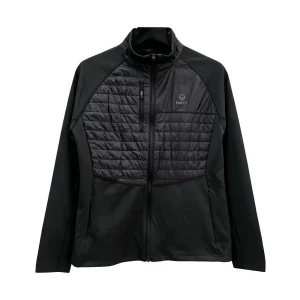
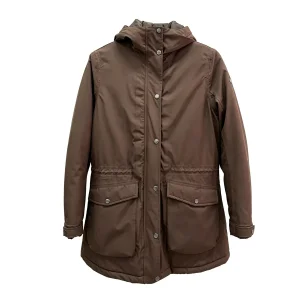
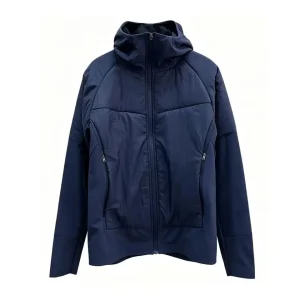
Industrial workwear, multi-pocket parkas, heated activewear jackets, and technical laminates ready for private label customization.