Engineered at ZanQian Garment's digitally controlled manufacturing facility, blending thermo-regulation, protective membranes, and precision assembly lines.
From bedtime ergonomics to stringent European chemical directives: analyzing global procurement shifts toward certified, non-toxic, and flame-retardant sleep apparel.
Modern Western pajama procurement requires absolute conformity with EN 14878 European Standards, regulating the burning behaviour of children's and adult nightwear. ZanQian integrates non-chemical flame retardant spun yarns and tightly engineered knits that self-extinguish without relying on hazardous brominated chemicals.
Consumer dermal exposure during sleep demands zero formaldehyde, zero azo dyestuffs, and compliance with REACH Annex XVII. Our certified supply chain enforces laboratory testing protocols verifying skin compatibility, low volatile organic compound (VOC) emissions, and hypoallergenic properties for European, UK, and American distribution networks.
Navigating the new European GPSR mandate requires complete supply chain digital traceability. As an ISO-certified OEM/ODM powerhouse, ZanQian implements unique batch QR tracking, traceable yarn provenance, authenticated factory declarations of conformity (DoC), and full CE compliance documentation ready for audit.
Enterprise retailers, boutique DTC labels, and corporate institutional buyers require more than basic sewing—they demand technical precision, consistency, and zero regulatory risk.
Western consumers frequently tumble dry pajamas on high-heat cycles. Conventional retail garments suffer from hem curling and longitudinal shrinkage exceeding 8%. ZanQian utilizes pre-shrunk compact ring-spun yarns and mechanical sanforization to restrict post-wash dimensional variance to under 2.5% across 50 wash tests.
By blending long-staple organic cotton, Austrian TENCEL™ Modal, and bamboo-derived viscose with active moisture-wicking micro-channels, our western pajama structures maintain optimal micro-climates against the skin, dissipating latent perspiration and preventing night sweat chill.
Applying the technical craftsmanship of outdoor performance gear to sleepwear: our specialized multi-needle flatlock seam machines eliminate bulky interior allowances, preventing nighttime pressure points, skin abrasion, and thread breakdown over extended friction cycles.
Especially vital for maternity and children's loungewear, our reactive vat dyeing processes score Level 4-5 on the grayscale for saliva, sweat, and friction fastness (ISO 105-E04), ensuring vibrant color hold without chemical leaching under prolonged human contact.
Comparative structural metrics engineered for high-volume enterprise production and third-party laboratory verification (SGS, Intertek, TÜV Rheinland).
| Material Category | Composition & Blend | Fabric Weight (GSM) | Flammability Rating | Tensile / Burst Strength | Compliance Directives |
|---|---|---|---|---|---|
| Micro-Modal Royal Lounge | 95% TENCEL™ Modal, 5% Roica Spandex | 180 – 210 GSM | Class 1 Normal Flammability (16 CFR 1610) | Bursting > 320 kPa | CE, OEKO-TEX Standard 100, REACH |
| Long-Staple Flannel Tartan | 100% Combed Organic Cotton (Double Brushed) | 160 – 195 GSM | EN 14878 Class A Flame Spread Spec | Warp: 280N / Weft: 240N | CE Directives, GOTS Organic, GPSR 2024 |
| Bamboo Silk Thermal Sleep | 68% Bamboo Viscose, 27% Cotton, 5% Elastane | 220 – 260 GSM | EN ISO 15025 Protective Index Compliant | Bursting > 380 kPa | CE Mark, ISO 9001:2015, BSCI Audited |
| Phase-Change Tech Lounge | 85% Thermo-Regulating Micro-Poly, 15% Modal | 240 – 280 GSM | Self-Extinguishing Low Char Protocol | Warp: 350N / Weft: 310N | CE Functional Apparel, RoHS, EN 14878 |
| Heavyweight Interlock Pima | 100% Peruvian Pima Cotton 60s/2 Compact | 210 – 240 GSM | Class 1 / Low Surface Flash Spread | Bursting > 410 kPa | CE, SEDEX SMETA, OEKO-TEX Eco-Passport |
Rigorous test bench verification of burning rates across both children's and adult nightwear segments.
100% free of lead, nickel, chromium, cadmium, and phthalate plasticizers in all buttons and trims.
Environmentally responsible finishes ensuring total elimination of hazardous perpetual perfluoroalkyl substances.
Operating with over 150 skilled garment technicians across 6+ digitally synchronized lines in Quanzhou, Fujian, ZanQian delivers complete production integrity.
Our dedicated R&D team crafts 30–50 new silhouettes monthly. Using computerized 3D draping systems, we optimize ergonomics around western anatomical size distributions (EU 36–56 / US XS–3XL), reducing prototype cycles from weeks to 48 hours.
For complex western pajama styles—including yarn-dyed checks, plaids, and placed botanical prints—automated CNC optical laser cutters guarantee millimeter-precise pattern matching across lapels, pocket fronts, and side seams.
By implementing a digitized MES (Manufacturing Execution System), each batch of sleepwear, heated apparel, and technical outerwear is tracked by RFID checkpoints from raw material inspection through to individual carton palletization.
Ensuring compliance across the European Single Market, United Kingdom (UKCA), and North America (CPSC 16 CFR Part 1610 / 1615 / 1616).
Mandatory Technical Construction Files (TCF), French Triman logo recycling sorting tags, German VerpackG packaging licensing, and verified manufacturer representation in EU territory.
Conformity with UK Nightwear (Safety) Regulations 1985, BS 5722 standards for flammability resistance, and full alignment with post-Brexit labeling and customs declarations.
Engineering precise sizing charts conforming to children’s tight-fitting sleepwear safety criteria under 16 CFR 1615/1616, bypassing chemical fire retardants through anatomical dimensioning.
Bridging heated clothing innovation, smart sleep biometrics, and circular closed-loop materials.
Integrating paraffinic and bio-based Phase-Change Materials (PCMs) within fiber cross-sections to absorb excess heat during the onset of sleep and release it during REM cycles, stabilizing human core body temperatures.
Leveraging ZanQian's advanced heated clothing technology to embed ultra-flexible carbon-fiber conductive micro-traces into pajama chest panels for sleep apnea tracking, resting heart rate logging, and sleep quality analytics.
Transitioning toward 100% monomaterial constructions (e.g., pure cellulosic or pure rPET), eliminating blended spandex where possible to enable full post-consumer garment-to-garment mechanical and chemical depolymerization.
Eliminating industrial water consumption and salt effluent in batch processing, delivering pure color saturation, superior rub fastness, and reducing production carbon emissions by 42% per unit.
Comprehensive answers regarding CE certification, flammability test methods, MOQ terms, and custom OEM manufacturing.
While CE marking typically governs Personal Protective Equipment (PPE) and electronics, sleepwear containing active heating elements or intended for specialized medical/recovery uses requires CE compliance under the Low Voltage Directive (LVD 2014/35/EU), EMC Directive, and EN 14878 nightwear flammability safety rules under the EU General Product Safety Directive.
For custom yarn-dyed woven pajamas (e.g., brushed flannel tartans) our standard MOQ is typically 800 to 1,200 sets per colorway, allowing for custom dye lot consistency. For solid knit varieties (Modal, Bamboo, Pima cotton) MOQ can start as low as 500 sets utilizing stock-matched certified yardage.
We deploy high-density compact spinning, pure natural fibers with inherent self-extinguishing char profiles, or certified flame-retardant modacrylic fiber blends that pass EN 14878 surface flash and flame spread thresholds without employing restricted toxic brominated or chlorinated chemicals.
Yes. As a leading manufacturer of heated clothing, we embed ultra-thin carbon-fiber heating zones powered by certified 5V USB low-voltage safety battery packs. Every heated style is inspected for temperature regulation, insulated wiring durability, and waterproof wash resistance.
Initial prototype patterns and counter-samples are produced within 5 to 7 business days following tech pack approval. Bulk order manufacturing cycles generally average 35 to 45 days, depending on fabric lead time, lab dip clearances, and required third-party laboratory audits.
We practice a four-stage quality gate: raw yarn/fabric incoming lab tests (shrinkage, color fastness, GSM), automated in-line inspection during stitching, 100% end-of-line needle detection audits, and final AQL 2.5/4.0 pre-shipment randomized inspections by certified quality engineers.
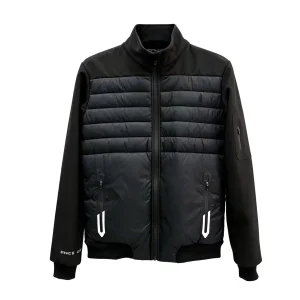
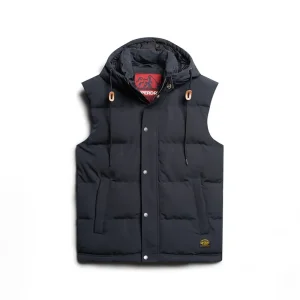
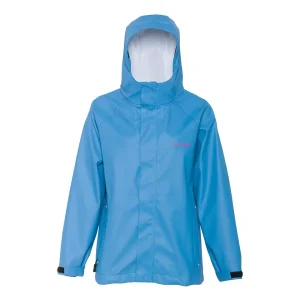
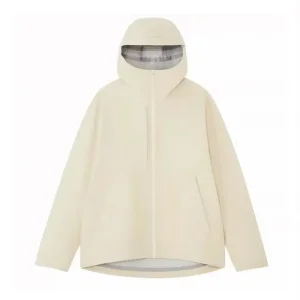
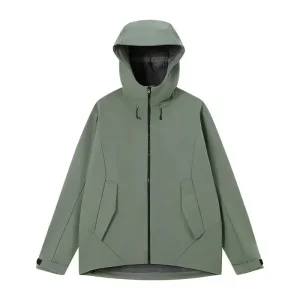
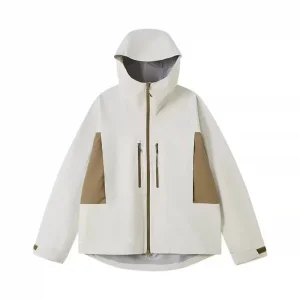
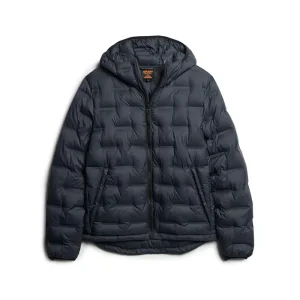
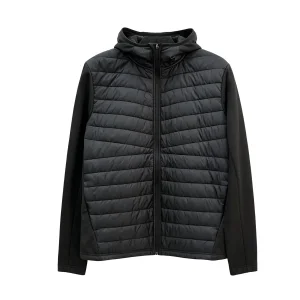
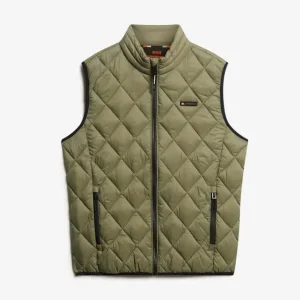
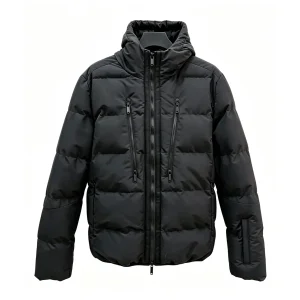
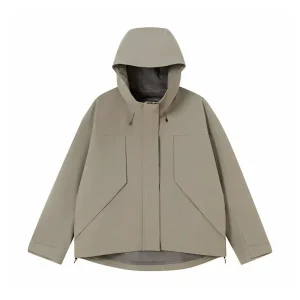
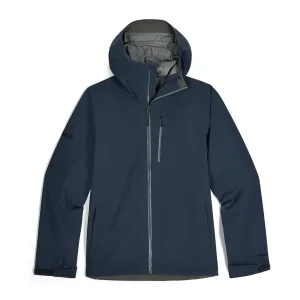
Explore our export-ready outerwear collection manufactured under ISO 9001 and OEKO-TEX environmental management protocols.
Connect directly with ZanQian Garment's engineering and export merchandising teams in Quanzhou. Share your tech packs, target fabrications, and volume requirements for a prompt feasibility breakdown, costing analysis, and prototype schedule.
