Explore our export-grade functional garments manufactured under lean digital workflow systems with strict batch-level inspections.
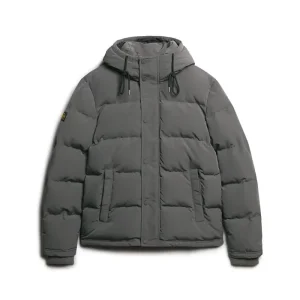
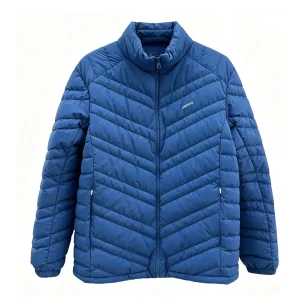
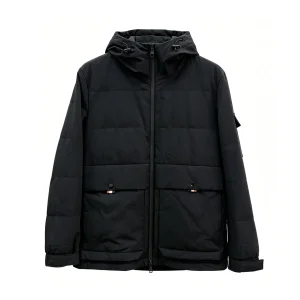
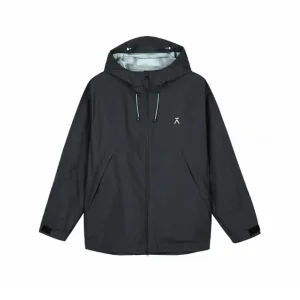
The youth loungewear and onesie pajama segment has evolved from seasonal novelties into a high-standard technical apparel category driven by sustainability and strict flammability protocols.
Global brands are migrating toward vetted OEM partners capable of managing agile runs, end-to-end fabric development, and strict regulatory documentation under one centralized roof.
Children's sleepwear requires zero-compromise safety. Stringent limits on lead content, phthalates, PFAS chemicals, and choking hazards govern export readiness in tier-one markets.
Demand has surged for GOTS-certified organic cotton, Lenzing Modal, recycled polyester sherpa, and non-toxic flame-retardant technical fibers offering superior hand-feel and durability.
Operating since 2004 with modernized factory infrastructure established in 2009, ZanQian delivers enterprise-grade contract manufacturing across 5,000+ square meters of floor space.
Our dedicated design division creates 30 to 50 custom styles monthly. We calibrate youth pajama block patterns to eliminate tension along torso seams, crotch junctions, and neck openings during active movement.
All closures, zipper stops, snap fasteners, and drawcords undergo calibrated 90-Newton tensile pull-force testing to prevent detachment hazards under prolonged domestic laundering cycles.
From yarn receipt and lab dip validation to automatic fabric spreading, computer-guided laser cutting, sewing line monitoring, and packing, every manufacturing unit carries digital traceability.
Ensuring frictionless customs clearance and protecting brand reputation across North American, European, and Asia-Pacific retail corridors.
| Target Market | Statutory Standards | Core Technical Requirements | Factory Quality Assurance Protocol |
|---|---|---|---|
| United States | 16 CFR Part 1615 / 1616 (CPSC), CPSIA | Strict flammability resistance for youth sleepwear sizes 0–14; tight-fit dimensional controls or approved flame-retardant fibers; zero lead & phthalates. | In-house vertical flammability combustion chambers, third-party SGS/Intertek batch validation, and Children's Product Certificate (CPC) issuance. |
| European Union | EN 14878, EN 71-2, REACH Annex XVII | Burning behavior rate of children's nightwear; absence of azo dyes, restricted organostannic compounds, nickel release, and hazardous drawcords (EN 14682). | OEKO-TEX Standard 100 Class I raw material procurement, metal detection audits (1.0mm ferrous calibration), and drawcord loop elimination. |
| United Kingdom | Nightwear (Safety) Regulations 1987, BS 5722 | Mandatory permanent labeling indicating "KEEP AWAY FROM FIRE" or specific low-flammability classification marks. | Double-sided care label thermosetting, barcode verification, and thermal wash shrinkage testing (<3% dimensional change). |
| Australia / NZ | AS/NZS 1249:2014 | Four designated risk categories from low flammability to tight-fitting garments with strict surface burning time thresholds. | Pre-production pattern shrink allowances, infrared seam alignment checks, and certified flame retardance documentation per yarn dye batch. |
Custom manufacturing tailored for distinct end-user environments, corporate supply contracts, and retail seasonal spikes.
High-volume reactive printing and yarn-dyed jacquard plaids engineered for holiday retail campaigns, featuring anti-pilling polar fleece and ultra-soft flannel knits.
Hybrid functional onesies utilizing moisture-wicking micro-waffle knits and water-resistant softshell exterior paneling for youth outdoor adventure retreats.
Precision 3D hood embroidery, felt applique, silicone-padded animal features, and safe detachable accessories manufactured for global IP merchandise distributors.
Flatlocked seam construction, tagless heat-transfer labels, and enclosed zip chin guards designed specifically for neurodivergent and sensitive-skin children.
Accelerating digitalized sustainability, AI pattern optimization, and integrated smart-textile capabilities across our manufacturing hub.
Implementation of computer-vision nesting algorithms that reduce bulk fabric consumption by 6.4%, maximizing yield on premium sustainable yarns while cutting production lead times.
Phasing out conventional fluorochemical finishes across our waterproof line and integrating 100% bio-based microbial flame-retardant chemistry compliant with 2026 ZDHC MRSL guidelines.
Leveraging our proprietary heated garment expertise (carbon-fiber elements, 5V low-voltage control) to develop temperature-regulating hybrid loungewear for sub-zero alpine living.
Direct responses from our engineering and merchandising management to streamline your factory qualification audit.
Standard OEM custom production generally requires 800 to 1,200 pieces per style, accommodating 2 to 3 colorways or print variants across a standard youth grading run (sizes 2T through 16). For ODM styles utilizing existing in-stock greige goods, flexible MOQs starting at 500 pieces can be arranged.
We provide two compliance avenues: (1) Designing to strict CPSC "Tight-Fitting" dimensional tables (16 CFR Part 1615/1616) using 100% natural cotton or modal knits, or (2) Utilizing inherently flame-resistant technical polyester fibers. Each production run is documented with certified burn-rate lab reports.
Yes. We execute complete branding packages including customized YKK/SBS anti-pinch safety zippers, silicone-dipped pullers, woven jacquard cuffs, custom transfer care labels, branded hangtags, and GRS-certified biodegradable polybags.
Proto pattern development and fabric strike-offs require 7 to 10 working days. Upon final fit and pre-production (PPS) sign-off, bulk production cycles average 35 to 45 calendar days, supported by rapid container dispatch from nearby Quanzhou or Xiamen international ports.
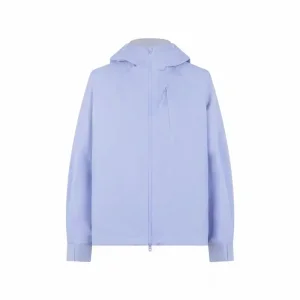
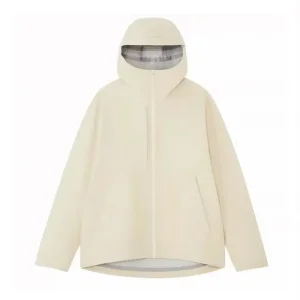
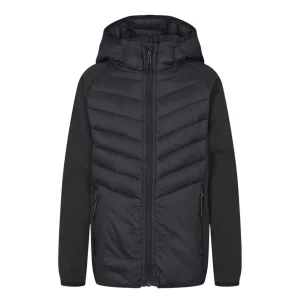
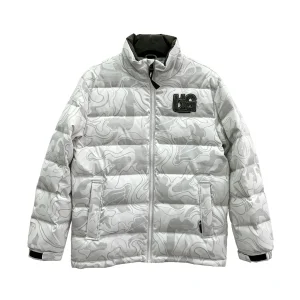
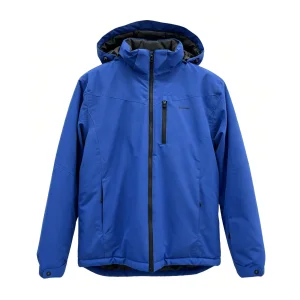
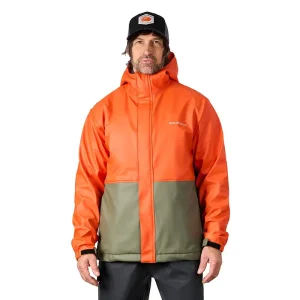
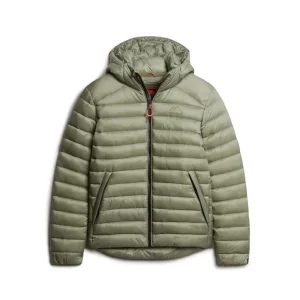
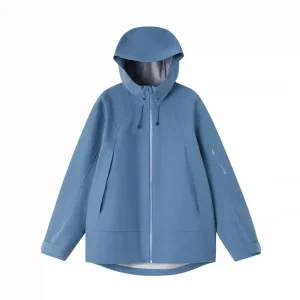
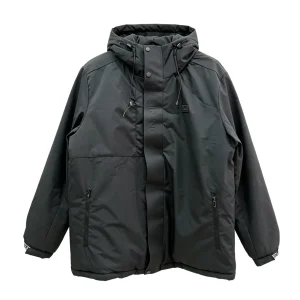
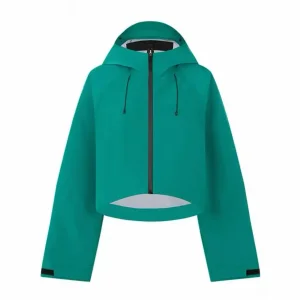
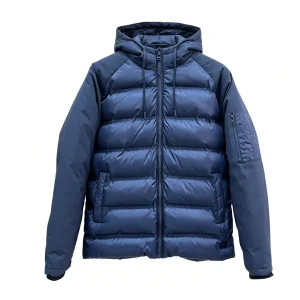
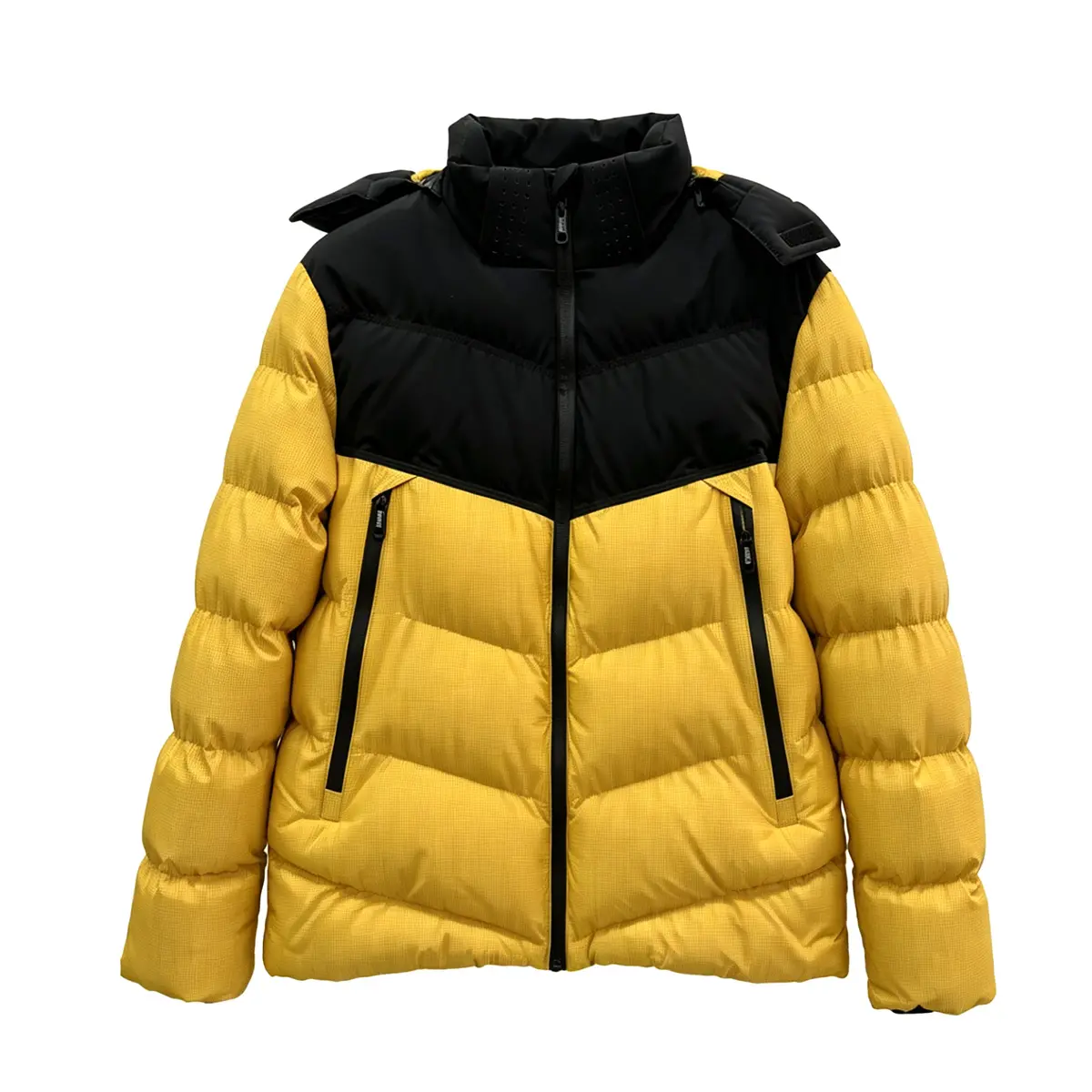
Review our specialized technical outerwear catalog engineered with membrane bonding, thermal insulation, and multi-scenario durability.