Engineered for high-volume delivery, seamless thermal balance, and rapid seasonal turnover.
A macro-economic analysis of seasonal holiday wear manufacturing, lead-time compressed logistics, and raw material volatility.
The worldwide marketplace for Christmas-themed pajamas and loungewear demands hyper-condensed operational cycles. Sourcing teams typically trigger proto-validation in Q1, lock fabric milling contracts by Q2, and mandate bulk shipping milestones by late Q3 to hit consumer Black Friday surges without risk of container bottlenecks.
Children's and family festive pajama bottoms face non-negotiable regulatory scrutiny under 16 CFR Part 1610 (flammability) in North America, OEKO-TEX Standard 100 chemical tracing, and EU REACH protocols. Modern manufacturing facilities must guarantee azo-free dye processes and rigorous mechanical tensile testing on elastic waistbands and drawcords.
Factories operating isolated cutting or sewing lines struggle with seasonal margin compressions. Market leadership has decisively shifted toward integrated industrial compounds managing pattern digitalization, computer-controlled fabric spreading, sublimation printing, and in-house functional QC under synchronized enterprise management.
Cross-functional textile architectures matching tactile plush warmth, breathability, and machine-wash resilience.
Engineered at 180–240 GSM for maximum thermal retention without unneeded bulk. Fiber composition incorporates anti-pilling finishes resistant to 20+ commercial wash tests.
Pure combed ring-spun cotton (140-160 GSM) utilizing yarn-dyed plaid matrices. Delivers authentic rustic aesthetic properties alongside superior moisture dissipation and skin comfort.
Formulated at 95% micro-modal and 5% elastane (200 GSM) for luxury direct-to-consumer catalogs. Provides exceptional four-way stretch, silky handfeel, and saturated printing clarity.
Post-consumer PET bottle recycling spun into fine filaments, satisfying Global Recycled Standard (GRS) audits while keeping the pricing tiers aligned with competitive commercial bids.
Comprehensive cost breakdown based on base yarn selection, print tech packs, seam complexities, and production batches.
| Pajama Pant Category | Material Weight / Specification | Standard MOQ | FOB Target Unit Cost (USD) | Key Testing Protocols |
|---|---|---|---|---|
| Standard Polar Fleece Pant | 100% Polyester / 200 GSM Brushed | 1,000 Pcs | $3.80 - $4.90 | Pilling Resistance (ISO 12945-2), Colorfastness |
| Heritage Yarn-Dyed Flannel | 100% Combed Cotton / 150 GSM Twill | 1,200 Pcs | $5.20 - $6.50 | Dimensional Stability to Washing (AATCC 135) |
| Stretch Modal Lounger Pant | 95% Modal, 5% Spandex / 210 GSM Jersey | 800 Pcs | $6.80 - $8.20 | Elastic Recovery, Seam Slippage (ASTM D434) |
| Thermal Waffle Knit Bottoms | 60% Cotton, 40% Poly / 230 GSM Waffle | 1,000 Pcs | $4.50 - $5.70 | Bursting Strength (ASTM D3786), Shrinkage Control |
| GRS Recycled Poly Holiday Pants | 100% Certified rPET / 220 GSM Velour | 1,500 Pcs | $4.60 - $5.80 | GRS Chain of Custody, Formaldehyde Free Tests |
Strategic pattern engineering customized to region-specific seasonal practices, climate variations, and retail packaging requirements.
High demand for coordinated sizing runs extending from infant onesies to adult plus sizes (XXS–4XL). Focus is centered on unified all-over plaid printing (Tartan, Buffalo check) and tear-away tags suitable for private-label e-commerce multi-pack bundling.
Catering to central and northern European heating environments where breathable natural fibers or dense waffle weaves dominate. Packaging necessitates plastic-free FSC-certified kraft ribbons and detailed compliance with European circular economy labeling guidelines.
Optimized for rapid turnaround social media marketing campaigns and corporate gift distributors. Requires barcoded polybags ready for drop-shipping hubs, anti-static yarn additives, and reinforced deep side-seam pockets configured for mobile phones.
A systematic overview of how modern automated textile plants eliminate bottlenecks across high-volume OEM contracts.
Minimizing raw fabric waste is essential during price negotiations. Advanced algorithm nesting programs improve utilization rates up to 88-92% on wide-width roll fabrics, maintaining precise print pattern alignment across front and back leg panels seamlessly.
From the cutting room to sewing lines and final iron press, production packages contain passive RFID chips. This guarantees live tracking visibility for procurement directors, preventing bottleneck delays on custom OEM wash labels or cord assemblies.
Adopting reactive rotary printing and zero-water sublimation methods to drastically cut effluent toxicity. Modern facilities reduce water consumption per metric ton of processed festive fabrics by over 40%, aligning with ESG targets for institutional retail groups.
Clear, direct answers regarding factory capacity, sample turnaround, custom packaging, and payment conditions.
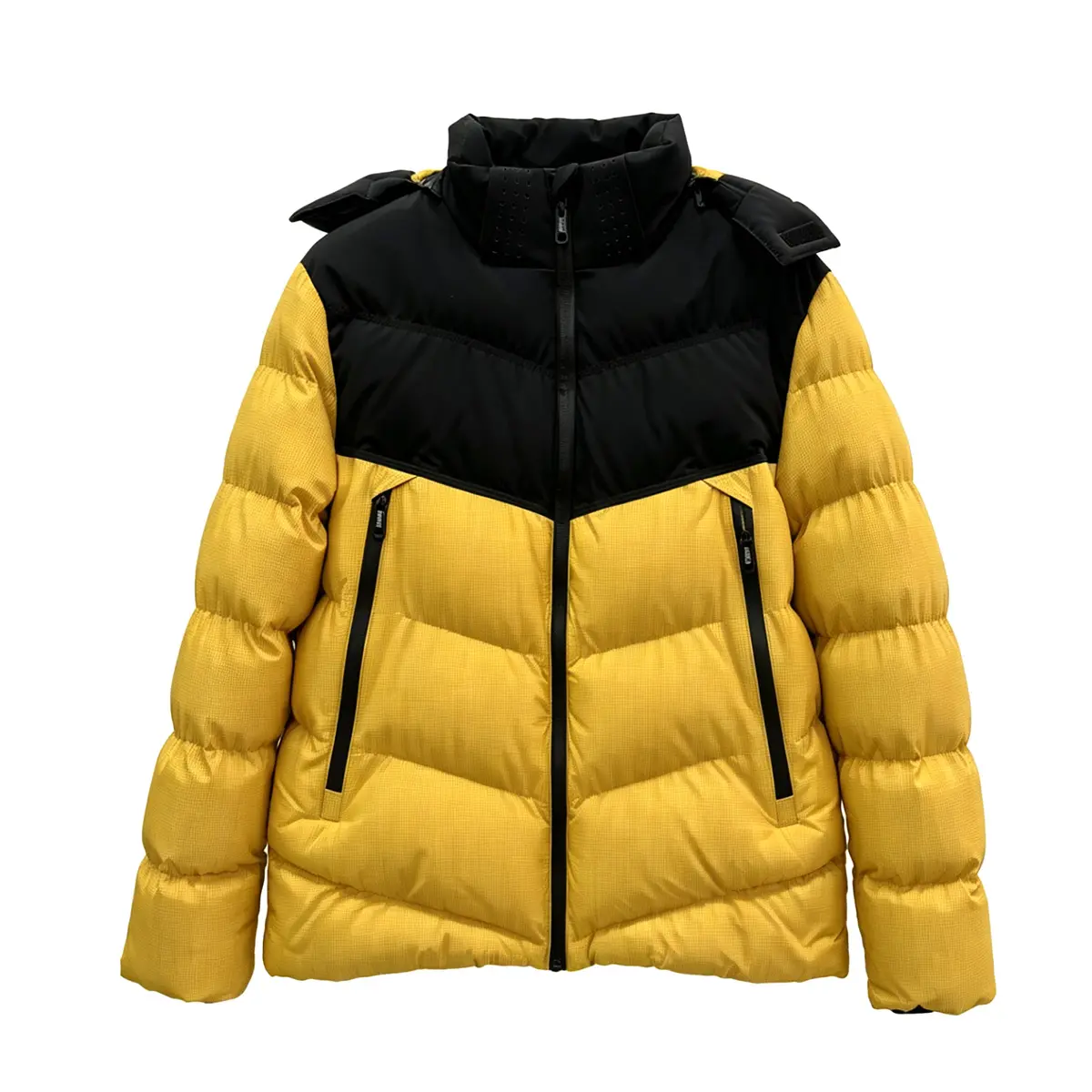
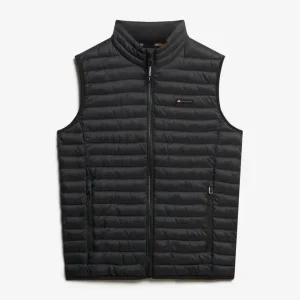
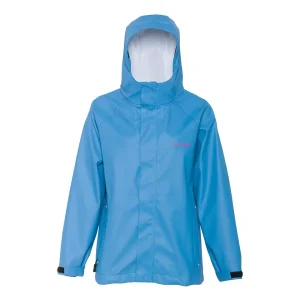
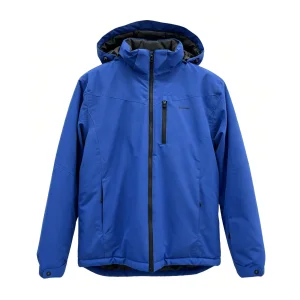
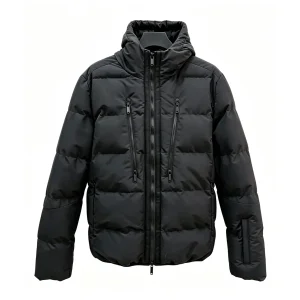
Advanced thermal shells, workwear coats, and lightweight outer layers engineered by ZanQian.