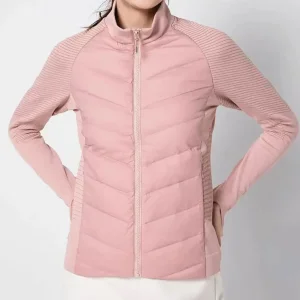
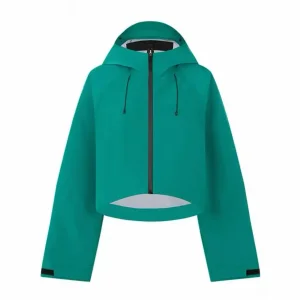
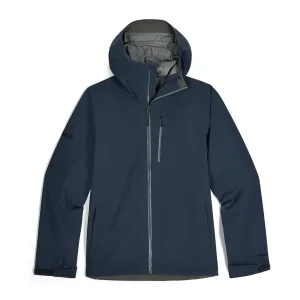
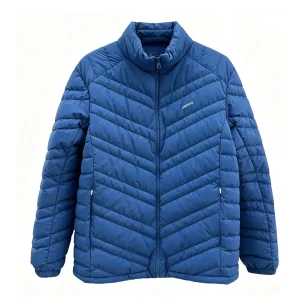
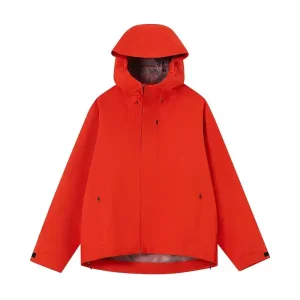
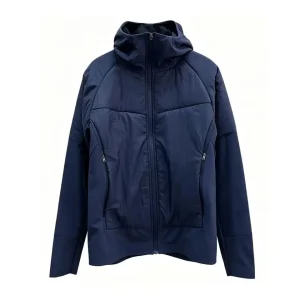
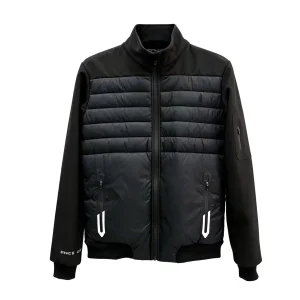
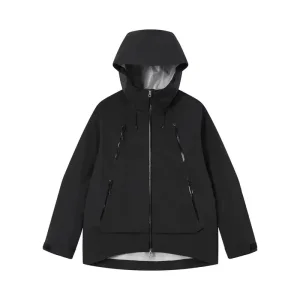
From ultra-soft novelty sleepwear to weather-resistant technical outerwear, evaluate verified production models manufactured across state-of-the-art lean apparel lines.
Strategic supply chain calibration, material science integration, and IP-grade production frameworks for tier-one retail channels.
The global loungewear and character-licensed sleepwear market has experienced exponential structural growth, driven by shifting generational lifestyle habits, the rise of "kidult" merchandising, and a strong preference for high-comfort, emotive home apparel. Within this paradigm, licensed properties—most notably Sanrio’s iconic character Kuromi—command significant consumer loyalty and premium retail margins. Sourcing verified Kuromi pajamas requires understanding complex intellectual property (IP) compliance, high-tolerance colorfastness requirements, and advanced polymer-textile synthesis capable of preserving ultra-soft touch sensations through industrial wash cycles.
Modern fashion retailers, major departmental chains, and fast-growing e-commerce brands often struggle to balance character reproduction fidelity with cost-effective bulk production. A famous Kuromi pajamas supplier does not simply assemble fabric panels; it acts as a technical custodian of the brand’s visual identity. Color consistency—such as Kuromi’s signature muted punk lavender, deep carbon blacks, and hot-pink iconography—demands digital spectrophotometer calibration across disparate substrate batches (e.g., flannel fleece, modal, combed cotton jersey, and micro-polar fleece). Without strict industrial discipline, production runs suffer from dye migration, pilling, and unacceptable dimensional shrinkage after consumer laundry cycles.
Furthermore, bulk quotes must reflect more than fabric mass and basic labor. Tier-1 enterprise buyers evaluate supplier quote structures based on yields, automated cutting precision, chemical testing liabilities (such as OEKO-TEX Standard 100 Class I for baby/children safety or REACH annex XVII parameters), and dynamic packaging requirements. ZanQian Garment’s manufacturing operations leverage over a decade of vertical outerwear and apparel mastery to deliver robust, high-volume production for technical lifestyle garments and licensed loungewear programs alike.
Micro-engineered digital pattern layouts ensure that character embroidery, reactive screen prints, and plush 3D ear appliques align precisely across seam lines, preserving the visual balance essential to licensed properties.
Utilizing high-filament micro-denier yarns, coral fleece, and long-staple combed cottons designed specifically to balance thermal insulation, non-static finishes, and unmatched cloud-like tactile softness.
Granular quote sheets that clearly separate yarn spinning, computerized knit times, dye-vat processing, custom branded notions, polybag configurations, and consolidated freight tariffs.
Rigorous metrics driving high-precision textile conversion, automated inspection checkpoints, and dependable lead times.
Protecting retail supply chains against chemical hazards, copyright ambiguities, and customs clearance delays.
A critical consideration when sourcing Kuromi-branded sleepwear is intellectual property compliance. Sourcing genuine merchandise requires an authorized Sanrio licensing framework. When global retail syndicates initiate ODM/OEM production for novelty character loungewear, our facility coordinates through certified supply channels or accepts authorized brand-holder Tech Packs containing legal licensing authorizations. This rigorous IP chain-of-custody safeguards corporate importers from trademark seizure at major container ports such as Long Beach, Rotterdam, or Felixstowe.
Beyond copyright oversight, sleepwear is subject to some of the strictest consumer safety regulations worldwide. In the United States, children’s sleepwear must strictly comply with 16 CFR Part 1615 and 1616 flammability mandates, alongside CPSIA limits on total lead content and phthalates in surface coatings. European markets enforce stringent EN 14878 sleepwear flammability standards and broad chemical bans under REACH. By deploying strict internal batch testing—utilizing our in-house testing equipment—we guarantee that every fabric run satisfies tensile pull limits on drawstrings, secures buttons past 90N pull resistance, and eliminates formaldehyde residue from anti-wrinkle finishing baths.
Independent lab validation ensuring children and teen loungewear meets all flammability thresholds, anti-choking pull-force specifications, and lead/chemical limits.
Every yarn, thread, and dye chemistry solution is screened to eliminate harmful aromatic amines, heavy metals, and allergen-triggering finishing compounds.
Strategically situated near Quanzhou and Xiamen sea freight terminals, streamlining direct container booking, customs document filings, and localized freight prep.
Tailoring silhouette configurations, fabric weight selections, and packaging profiles across multiple consumer demographics.
Cost-optimized 180–220 GSM single jersey pajama sets designed for high-density store displays, hang-tag compatibility, and swift trend turnover.
Heavyweight 300+ GSM double-brushed flannel fleece loungewear onesies featuring padded character hoods, reinforced zippers, and anti-static processing.
Short-run specialized capsule drops with customized holographic swing tags, dust bags, and elevated packaging formats for direct fan merchandising.
Vacuum-sealed, compact-pack configurations designed to minimize cubic volume, reducing international parcel shipping expenses and warehouse storage fees.
Integrating sustainable polymer recycling, thermoregulating phase-change textiles, and smart AI pattern grading.
Transitioning fleece and modal blends to GRS-certified post-consumer recycled PET bottles without compromising fabric hand feel.
Infusing phase-change micro-capsules (PCM) into pajama knit matrices to actively balance body temperature across varying room environments.
Implementing machine learning nesting software on automatic knife tables, boosting fabric yield efficiencies by up to 4.2% on character prints.
Leveraging ZanQian's heated clothing expertise to develop lightweight carbon-fiber warming zones within luxury winter loungewear silhouettes.
Clear, direct answers for global buyers regarding MOQ, quote factors, IP verification, and quality controls.
Quotes are compiled through open-book cost breakdowns: raw fiber market indices (e.g., carded/combed cotton or polyester micro-yarn), knitting and circular weaving machine run-time, fabric GSM weight, printing type (digital reactive vs. rotary pigment vs. plush embroidery), cutting waste coefficients, direct seamstress assembly labor, licensing compliance documentation, and export packaging specifications.
For custom-milled fabrics with tailored character dyeing (such as specific Kuromi purple pantones), standard MOQ averages 800 to 1,500 pieces per style across 3–4 size gradations. Where stock-backed, pre-tested base fabrics are chosen, order minimums can often be calibrated lower to match specialized collection launches.
Plush high-pile fabrics like flannel or coral fleece can stretch under standard embroidery needles. We apply stabilizing water-soluble backings, calibrate computerized satin-stitching tensions, and employ laser cutting for character badges. This guarantees that facial features—such as Kuromi's ears and jester skull—remain crisp and undeformed across all production runs.
Pattern digitization and prototype sampling typically require 7–10 working days. Following prototype and lab-dip colorway sign-off, bulk production takes approximately 30 to 45 days. Rapid shipping through regional container hubs at Quanzhou and Xiamen provides predictable ocean and air freight routing for major international markets.
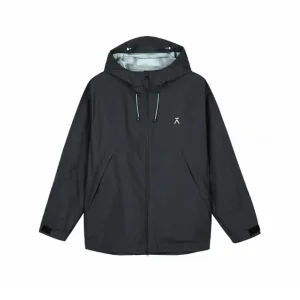
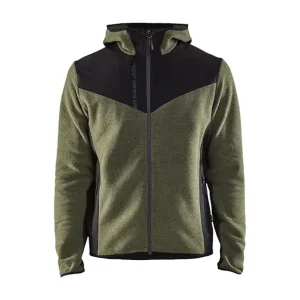
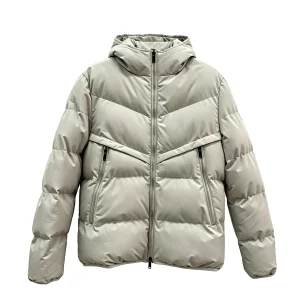
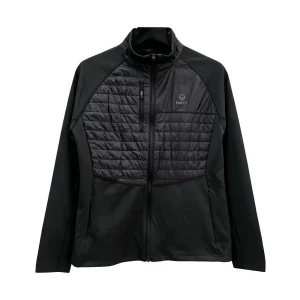
Explore our full OEM/ODM manufacturing scope, featuring insulated designs, technical commuter shells, and high-performance outerwear systems.