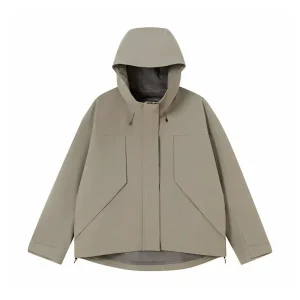
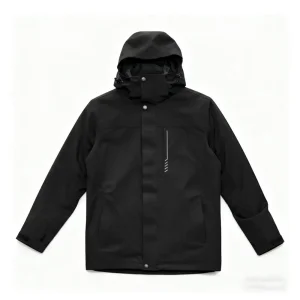
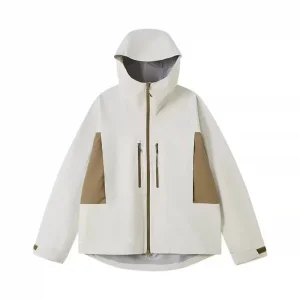
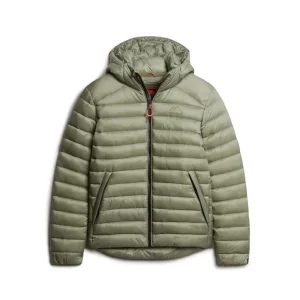
Engineered with proprietary 3-layer laminates, heat-sealed seam technology, and laser-mapped venting matrices for extreme climate adaptability.
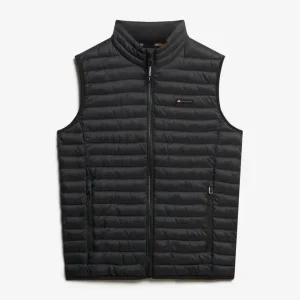
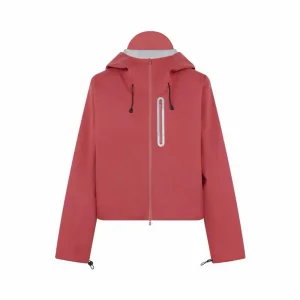
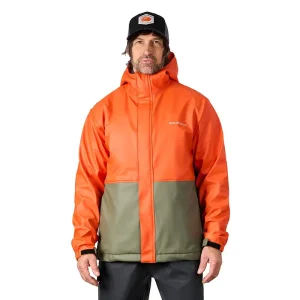
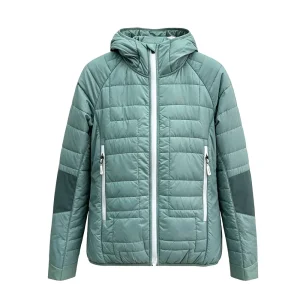
Strategic evolution, market consolidation, and engineering shifts in corporate technical procurement.
"The historic paradigm pitting hydrostatic resistance directly against vapor permeability is obsolete. Enterprise brands no longer trade weather protection for user comfort. Contemporary high-altitude expeditions, alpine rescue missions, and corporate industrial fleets demand monolithic, hydrophobic, yet bi-component membranes capable of shedding driving precipitation while expelling endogenous sweat vapor at high metabolic rates."
— Technical Textile Consortium, Global Sourcing Quarterly ReviewThe global performance apparel market continues to experience robust compound growth, with technical waterproof and breathable shells expanding beyond traditional outdoor retail into institutional defense, extreme logistics, and premium urban technical wear (Gorpcore).
CAGR 6.4% Projected through 2032Global buyer quoting behavior has shifted from basic FOB unit pricing to total landed lifecycle costings. Critical quotes demand transparent bills of materials (BOMs), membrane origin declarations, certified seam tapes, and certified labor index ratings.
Comprehensive BOM TraceabilityOEM/ODM brand partners seek integrated factories with dedicated laboratory testing capabilities. Companies like ZanQian Garment set benchmarks by unifying computerized pattern generation, automatic cutting tables, hot-air seam-sealing machinery, and in-line quality controls.
98%+ Finished Product Pass RateUnderstanding hydrostatic head, RET evaporative resistance, and moisture vapor transmission rates (MVTR).
| Membrane / Lamination Tech | Hydrostatic Head (Waterproof) | MVTR / RET (Breathability) | Primary Industrial Use-Case | Key Strengths & Compliance |
|---|---|---|---|---|
| Expanded PTFE (ePTFE) Bicomponent | 20,000mm – 28,000mm H₂O | RET < 4.5 / 25,000 g/m²/24h | High-Altitude Mountaineering, Alpine Shells | Ultra-Durable Oleophobic PU coating prevents pore clogging. |
| Hydrophilic Solid Polyurethane (PU) | 10,000mm – 15,000mm H₂O | RET 6 – 10 / 12,000 g/m²/24h | Urban Commute, Light Trekking, Rainwear | Stretch Flexible Solid barrier prevents wind penetration entirely. |
| Electrospun Nanofiber Webs | 15,000mm – 20,000mm H₂O | RET < 3.0 / 30,000+ g/m²/24h | High-Aerobic Trail Running, Ski Mountaineering | Air Permeable Continuous vapor exchange under dynamic exercise. |
| Next-Gen Expanded PE (ePE / Bio-Based) | 20,000mm H₂O | RET < 6.0 / 20,000 g/m²/24h | Eco-Certified Circular Technical Outerwear | PFAS-Free Zero fluorochemical footprint, low carbon footprint. |
Hydrostatic head rating signifies the column of water pressure (in millimeters) a fabric can withstand before moisture penetrates. While everyday rain creates 2,000–5,000mm of force, dynamic loads—such as kneeling on wet ground or carrying a heavy backpack—impose local pressures exceeding 15,000mm. Industrial shells engineered by ZanQian achieve up to 20,000mm ratings, safeguarding operatives under extreme storms.
The Hohenstein Skin Model (ISO 11092) measures RET (Resistance to Evaporative Heat Transfer). Unlike simple inverted cup testing, RET quantifies the energy required to transfer vapor through the textile barrier. An RET rating below 6 demonstrates exceptional breathability suitable for strenuous activities, preventing internal condensation that causes post-exercise hypothermia.
A waterproof jacket requires an efficient Durable Water Repellent (DWR) surface finish to maintain the breathability of its membrane. Without bead-shedding chemistry, the face fabric becomes waterlogged ("wets out"), forming a non-breathable water film that traps condensation internally. Global regulations mandate transition to C0 (PFC-free) hydrocarbon and silicone-based formulations.
How localized industrial clusters, lean digital operations, and vertical testing centers create an unassailable OEM/ODM edge.
Located in the Quanzhou Taiwanese Investment Zone, Fujian, ZanQian Garment benefits from immediate proximity to world-class synthetic textile mills, membrane laminators, waterproof zipper specialists, and injection-molded hardware foundries. This geographic density compresses prototyping turnaround to days rather than months.
Equipped with 6+ dedicated production lines and over 150 skilled apparel craftsmen, the factory utilizes digitized line-balancing systems. Every lot undergoes barcode tracking from greige inspection through ultrasonic bonding, seam taping, down injection, and final packaging.
Technical shells fail at seams and zips, not in sales catalogs. ZanQian's in-house laboratory subjects incoming rolls and finished prototypes to Suter hydrostatic testing, Martindale abrasion resistance (10,000+ cycles), colorfastness auditing, and repeated wash-delamination analysis.
From alpine mountain squalls to urban microclimates, matching thermal construction to real-world performance parameters.
Requires unyielding 3L construction, 28mm three-layer seam sealing tape, storm-hood clearance for mountaineering helmets, and pit-zips with dual waterproof sliders. Designed for sustained exposure to driving sleet, sub-zero winds, and pack harness abrasion.
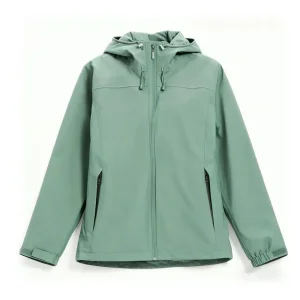
Target: 20,000mm / 20,000g/m²Combines functional weather protection with refined hand-feel, matte finishes, silent face fabrics (non-crinkling 50D polyester), and hidden magnetic pocket closures. Perfectly suited for subway commutes, light cycling, and sudden metropolitan precipitation.
Target: 10,000mm / 10,000g/m²Engineered to comply with EN ISO 20471 (high visibility) and EN 343 (foul weather protection). Features flame-retardant outer treatments, oil-repellent finishes, segmented prismatic retro-reflective tape, and reinforced anti-tear ripstop weaves for offshore crews.
Target: EN 343 Class 4:4 CompliantPioneering integration of micro-thin carbon fiber heating elements powered by 5V USB / 7.4V smart battery banks directly beneath a windproof and water-repellent shell. Delivers multi-zone lumbar, thoracic, and neck warming without impeding moisture vapor dissipation.
3-Stage Controlled Heat ModulationThe convergence of regulatory compliance, circular material economics, and intelligent digital outerwear engineering.
With aggressive phase-outs enacted by the EU REACH initiative and US state regulations (e.g., California AB 1817), waterproof garments must completely eliminate persistent per- and polyfluoroalkyl substances. Suppliers must master non-fluorinated ePE, bio-polyester, and advanced C0 plasma lamination to ensure zero chemical migration.
Traditional jackets bind nylon face fabrics to polyurethane membranes and polyester tricot backings, creating an unrecyclable composite. Modern ODM innovation favors mono-material construction—100% recycled polyester face, membrane, and lining—enabling cradle-to-cradle chemical recycling without manual deconstruction.
Tomorrow's outerwear merges passive breathability with active climate management: embedded IoT sensors monitor inner microclimate relative humidity and body temperature, triggering micro-ventilation ports or adjusting heating panel intensity to prevent both freezing cold and clammy sweat saturation.
A step-by-step framework for brand sourcing directors when submitting tech packs, negotiating quotes, and auditing factories.
Ensure your tech pack specifies target hydrostatic head (AATCC 127 / ISO 811), breathability benchmark (JIS L 1099 B1 or ISO 11092 RET), fabric grammage (GSM), yarn denier, seam tape width (e.g., 13mm to 22mm), zipper brand (YKK/SBS Aquaguard), and wash cycle requirements.
A transparent technical outerwear quote dissects unit costs across: raw shell shell/membrane laminate (~40-48%), seam tape and specialized hardware (~12-16%), laser cutting and taped assembly labor (~22-26%), and QA lab auditing and export freight packaging (~8-12%).
Require pre-production lab dips, seam pull peel-strength tests (> 25 N/cm), seam hydrostatic burst testing post 20 standard wash cycles, and third-party ethical factory compliance (BSCI, OEKO-TEX Standard 100 Class I/II, ISO 9001, GRS certification).
Direct technical answers addressing hydrostatic ratings, OEM minimums, testing protocols, and membrane durability.
Explore our additional OEM and ODM production capabilities across trekking, cycling, thermo-insulation, and tactical casual wear.