Precision-manufactured rainwear, hybrid outdoor shells, insulated winter coats, and thermal-bonded performance apparel calibrated for extreme durability.
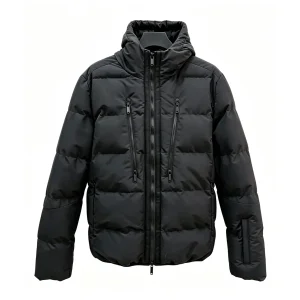
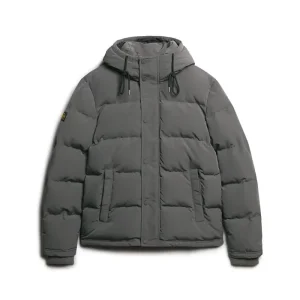
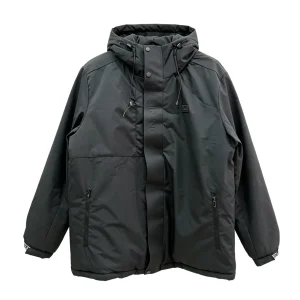
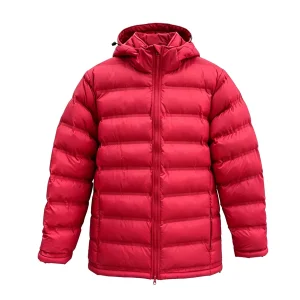
Modern Production Hub
First-Pass Inspection Rate
Monthly Unit Capacity
New ODM Styles Monthly
China's coastal apparel clusters deliver unmatched structural advantages in functional membrane lamination, micro-seam taping, and fully consolidated raw material supply chains.
Within a 50-kilometer radius in Fujian and Zhejiang, manufacturers source premium nylon 6,6 filaments, ultralight ripstop microfibers, PFAS-free DWR coatings, and microporous PTFE/TPU membranes. This proximity reduces development lead times by over 40% compared to fragmented offshore alternatives.
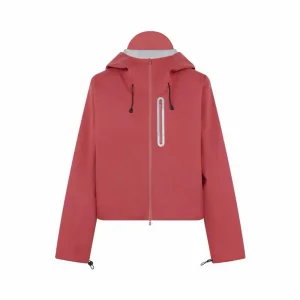
Lightweight waterproof jackets demand zero tolerance for needle penetration leaks. Leading facilities deploy programmable hot-air welding rigs, ultrasonic fabric slitters, and 3-ply micro-tape sealers (down to 8mm tape widths) that reduce garment weight while maximizing flexural endurance.
Quality reliability is grounded in calibrated empirical measurement rather than downstream assumption. OEM and ODM plants maintain dedicated testing rigs to verify hydrostatic head retention, moisture vapor transmission rates (MVTR), and Martindale abrasion resistance across fabric rolls and finished garments.
Regulatory shifts, circular chemistry mandates, and multi-functional crossover aesthetics are redefining technical performance criteria globally.
Stringent environmental standards across Europe and North America require non-fluorinated Durable Water Repellent (PFC-free DWR) treatments. Manufacturing leaders have reformulated lamination chemistry to provide water contact angles exceeding 100° without persistent fluorinated bioaccumulative chemicals.
Commercial end users increasingly demand jackets that function effortlessly in alpine storms yet look tailored during urban rail commutes. This requires matte mechanical-stretch shell fabrics, low-profile internal baffles, and ergonomic, silent face fabrics that eliminate nylon rustle during stride movement.
Global brands are prioritizing single-polymer garment architectures (100% recycled polyester or 100% polyamide face, membrane, backing, and thread). Mono-material outerwear eliminates end-of-life delamination hurdles, streamlining closed-loop mechanical and chemical recycling pipelines.
Evaluate baseline engineering parameters for your bulk programs to ensure balanced hydrostatic containment and physiological comfort.
| Garment Tier & Class | Membrane / Lamination Tech | Hydrostatic Head (ISO 811) | Breathability (JIS L 1099 B1) | Recommended Primary Application |
|---|---|---|---|---|
| Ultralight Packable Shell | 2.5-Layer Printed Carbon Backer | 10,000mm – 15,000mm | 12,000 g/m²/24h | Trail running, fast-hiking, emergency mountain rainwear |
| Expedition 3-Layer Hard Shell | 3L Micro-Porous Hydrophobic PTFE | 20,000mm – 28,000mm | 20,000 g/m²/24h | Alpine mountaineering, backcountry ski touring, rescue operations |
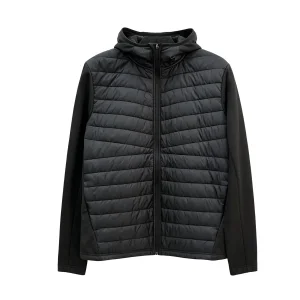
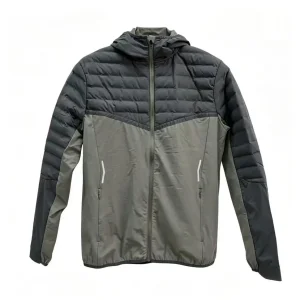
| Hybrid Thermal Weather Shell | 2-Layer Stretch TPU + Synthetic Fill | 10,000mm – 15,000mm | 8,000 – 10,000 g/m²/24h | Sub-zero commuter wear, ski chalets, winter industrial workwear |
| Heavy-Duty Utility Work Shell | High-Denier Oxford Canvas + PU Backing | 10,000mm – 12,000mm | 5,000 – 7,000 g/m²/24h | Offshore oil and gas, logistics, EN ISO 20471 hi-vis environments |
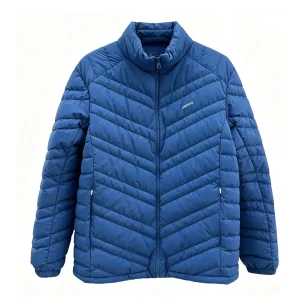
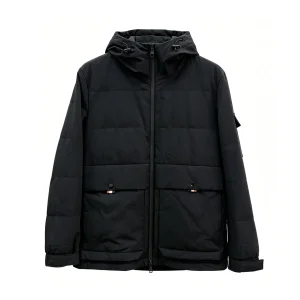
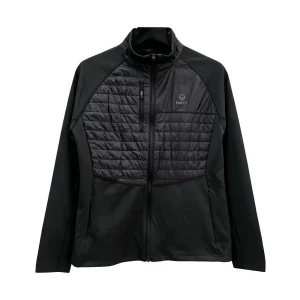
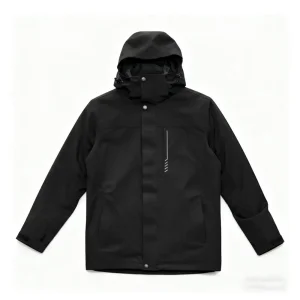
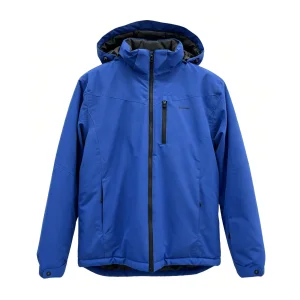
Explore high-pressure waterproof shells, multi-pocket industrial utility coats, quilted thermal jackets, and versatile technical apparel for extreme environments.
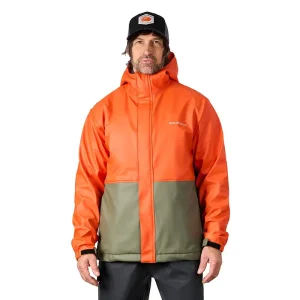
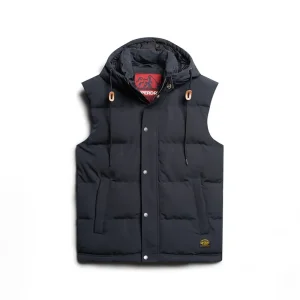
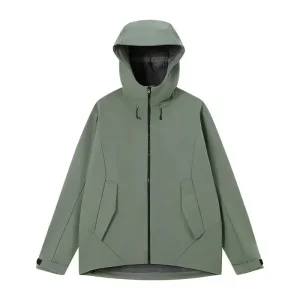
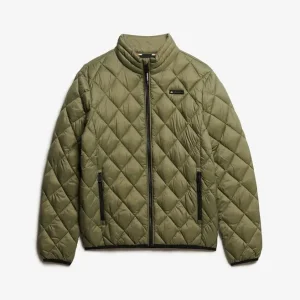
Clear, actionable answers on production protocols, minimum order thresholds, QA milestones, and supply chain verification.
Seam tape integrity requires synchronized temperature, air speed, and roller pressure on 3D curves. We conduct daily Suter Hydrostatic testing on seams cut directly from live production runs, validating 100% adhesion against ASTM D751 and ISO 811 standards before bulk garment packaging.
Initial proto sampling typically takes 7 to 10 days after tech pack sign-off. Bulk fabric mill dipping and technical lamination require 25 to 30 days. Full line stitching, automated seam sealing, inline inspections, and dispatch take another 30 to 40 days, bringing typical total cycle times to 60–75 days.
Yes. We regularly supply certified testing documentation through independent agencies such as SGS, Intertek, and TÜV Rheinland for hydrostatic head, breathability, Martindale abrasion, colorfastness under light and perspiration, and PFAS compliance (EN 17681-1 / EPA 537).
Our standard production baseline starts at 500 to 800 pieces per style across 2 to 3 colorways. For stock-supported or standard functional fabrics, flexible minimums starting from 300 pieces can be arranged to support initial brand market testing.
