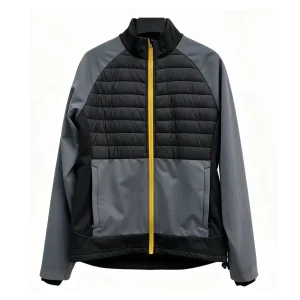
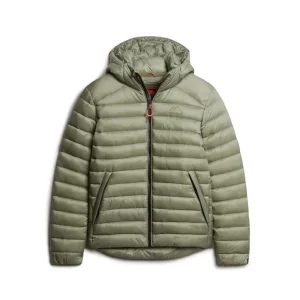
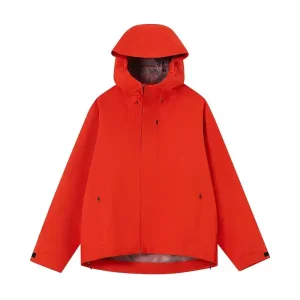
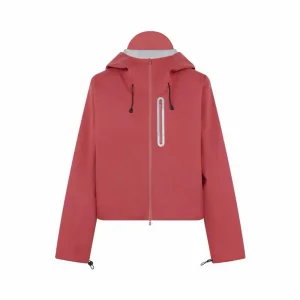
Explore our production capabilities across multi-scenario outerwear, precision insulation, and specialized thermal sleepwear engineering.
Transitioning from seasonal novelty sleepwear to technical homewear, the hooded character onesie market demands rigorous engineering, breathable fleece densities, and automated production integrity.
Novelty thermal wear has advanced beyond standard microfleece. Contemporary enterprise programs utilize dual-sided polar fleece, high-pile flannel sherpa (280–340 GSM), and recycled poly-filament blends that balance superior loft retention with optimized vapor transmission.
Anti-pilling surface treatments ensure resilience exceeding Grade 4.0 after 20 home laundry cycles, preserving retail-grade texture.
Character onesies require balanced weight distributions. Traditional loose fits are recalibrated with articulated drop-crotch patterning, reinforced gusset inserts, and precision 3D beak/crest embroidery on double-lined hoods that maintain structure without imposing neck strain.
Front zip entry options and discreet drop-seat rear zippers are deployed with anti-pinch fabric guards for multi-age demographic usability.
Thermal sleepwear falls under stringent flammability and chemical constraints. Our ODM programs conform fully to 16 CFR Part 1610/1611 (Standard for the Flammability of Clothing Textiles), OEKO-TEX® Standard 100 Class I & II, REACH Annex XVII, and California Proposition 65.
Zero toxic heavy metals, phthalate-free zipper pulls, and CPSIA-compliant lead content assurance make our lines safe for infant through adult retail.
Sourcing teams managing mass retail campaigns, seasonal collections, or private-label franchises evaluate manufacturers across structural supply chain KPIs.
Whether realizing licensed studio designs or bespoke retail mascot silhouettes, precise pantone-matching on dye vats and high-density appliqué stitch definition are paramount to preserve design integrity.
High-pile fleece occupies substantial cubic volume. Enterprise procurement insists on clean vacuum-sealed inner packaging configurations that reduce ocean freight volumetric weight by up to 45% without damaging loft recovery.
Advanced CAD nesting algorithms calculate precise interlocking layouts for pattern pieces—beaks, flippers, belly patches, and hoods—minimizing fabric waste under 6.5% across bulk cutting runs.
Onesies experience localized dynamic shear strain across crotch and underarm nodes. Industrial 4-needle 6-thread flatlock stitching and bar-tacked stress anchors eliminate retail returns driven by seam unraveling.
At ZanQian Garment Co., Ltd., our Quanzhou production center merges lean apparel management with vertical technical textile execution.
Our centralized design and sample studio releases 30 to 50 proprietary designs per month. Sourcing clients can transition from a rough conceptual brief or tech pack to physical fitting prototypes within 7 to 10 working days, backed by full grading across Toddler, Youth, and Adult Unisex dimensions.
Every dye lot and fiber consignment undergoes rigorous pre-cut validation in our functional laboratory: tensile strain, tear resistance, colorfastness to washing and crocking (AATCC 8/61), anti-pill evaluations (ASTM D3512), and flame spread timing to protect retail client brand reputation.
Occupying 5,000+ m² with 6+ lean production lines and over 150 skilled apparel technicians, our facility sustains consistent outputs surpassing 80,000 garments monthly. Located near Quanzhou and Xiamen deepwater terminals, ocean freight dispatches achieve expedited international transit.
| Component Parameter | Commercial Grade Specification | Enterprise / Premium Specification | Compliance Verification Protocol |
|---|---|---|---|
| Face Shell Material | 100% Micro-Polyester Flannel Fleece (240–260 GSM) | Recycled Low-Twist Polar Sherpa or Coral Velvet (300–360 GSM) | ASTM D3776 / OEKO-TEX Standard 100 |
| Closure System | Standard Nylon Coil #5 Zipper or Resin Snaps | Two-Way Locking Metal/Resin Zipper + Fabric Safety Shield | BS 3084 Strength / ASTM D2061 Torque Pull |
| Appliqué & Feature Detail | Heat-Transfer Vinyl or Standard Patch Embroidery | Multi-Layer Satin Stitch + Micro-Filament Fiberfill Infill | Pull-Force Test (>70N for Small Parts / 16 CFR 1501) |
| Thermal Clo Value | 1.2 - 1.5 Clo Rating (Moderate Indoor Warmth) | 2.1 - 2.6 Clo Rating (High-Efficiency Winter Retention) | ISO 11092 / ASTM F1868 Thermal Resistance |
| Color Fastness | Grade 3.5 (Water / Perspiration / Crocking) | Grade 4.0 - 4.5 (High Contrast Monochrome Durability) | AATCC 61 Method 2A / ISO 105-C06 |
Enterprise supply chains require robust traceability, ethical workplace governance, and seamless international port customs readiness.
Our operational facilities comply fully with international social standards (BSCI, SMETA SEDEX 4-Pillar, and WRAP guidelines). We enforce verified non-child-labor mandates, competitive living compensation, standardized 8-hour rotations, and strictly regulated occupational safety protocols.
As brands navigate mandatory CSRD (Corporate Sustainability Due Diligence) rules in the EU and equivalent FTC mandates in North America, we provide transactional certificates for GRS (Global Recycled Standard) verified rPET fibers and closed-loop non-hazardous water treatment compliance.
Our in-house documentation desk prepares commercial invoices, packing lists with barcode serialization, Certificates of Origin (CO / Form E / Form A), and bill of lading documents. We handle standard FOB, CIF, or door-to-door DDP shipments straight into centralized Amazon or 3PL fulfillment depots.
Anticipating emerging buyer behaviors, our R&D pipelines intersect active heating tech with single-polymer circular recyclability.
Synthesizing our proven heated garment expertise with home loungewear, ZanQian is prototyping safe, low-voltage (5V USB) carbon-nanotube heated lumbar and foot-pocket warming zones in penguin onesies, controllable via micro tactile buttons or smartphone Bluetooth sync.
To eliminate textile landfill footprints, our future onesie series features 100% circular polyester construction—unifying face fabrics, inner polyfills, embroidery threads, and zipper coils into a uniform PET polymer family for zero-sorting chemical depolymerization recycling.
By leveraging CLO3D algorithmic simulations, our technicians map stress contours, drape kinetics, and anthropometric thermal distributions across multi-gender bodies, cutting prototype development cycles by 60% and reducing initial sampling material consumption to near zero.
Detailed specifications, lead-time expectations, and terms for retail buyers and apparel importers.
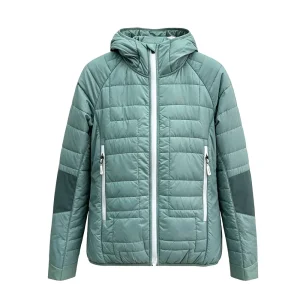
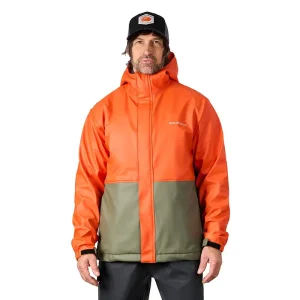
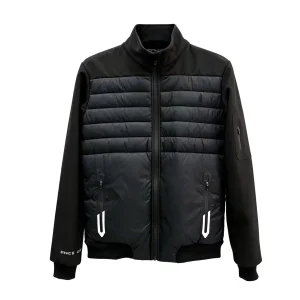
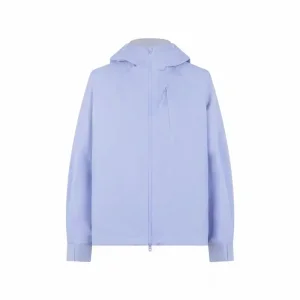
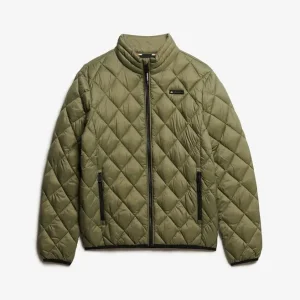
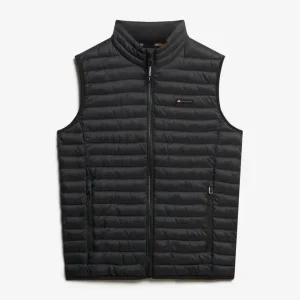
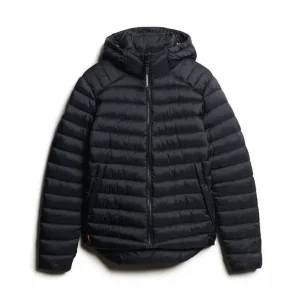
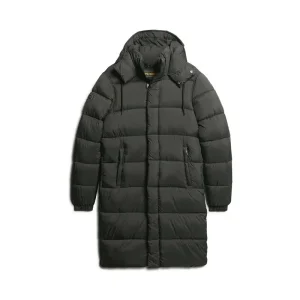
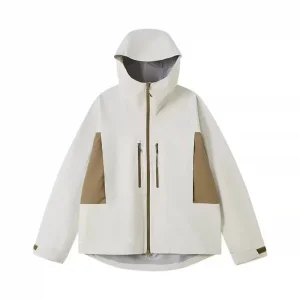
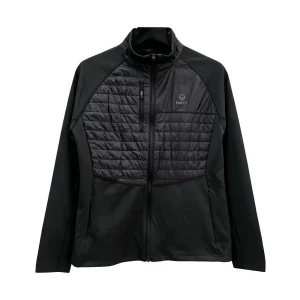
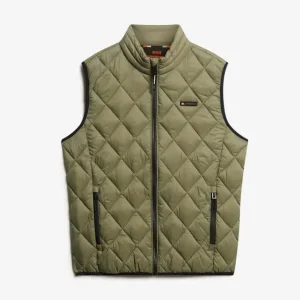
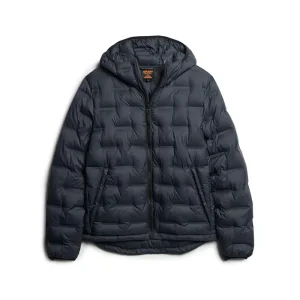
Explore additional functional outerwear, quilted activewear, and weather-resistant models from our Quanzhou factory lines.
Connect directly with our senior engineering and merchandising teams in Quanzhou. Submit your tech pack, target GSM, size break, or reference samples to receive a full cost breakdown and digital turnaround timeline within 24 business hours.
