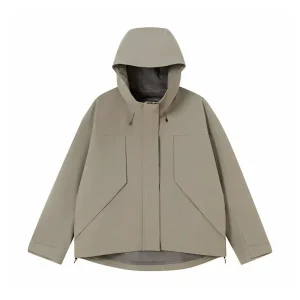
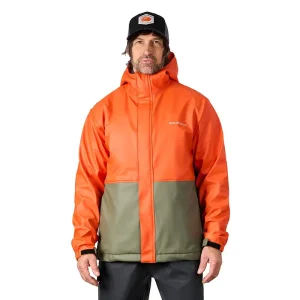
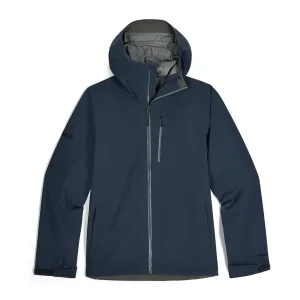
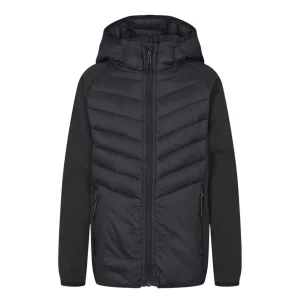
Explore high-spec technical coats, lightweight quilted jackets, and multi-scenario outdoor apparel manufactured with the same stringent ISO9001 precision applied across all OEM garment collections.
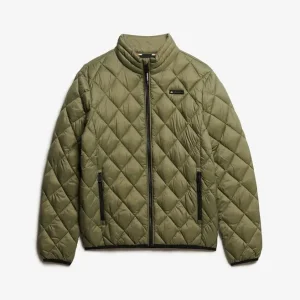
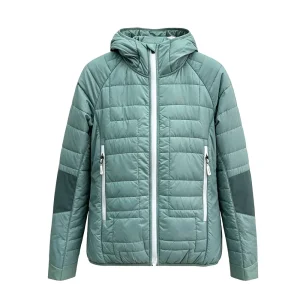
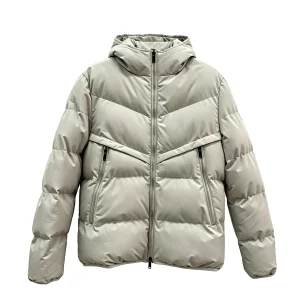
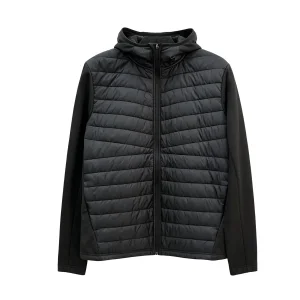
Custom Diamond Quilt Fuji Lite Jacket MOD03125 Pricelist, Exporters
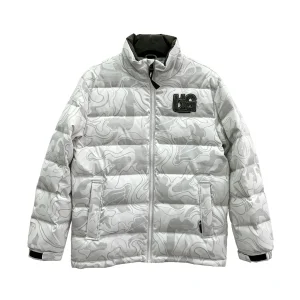
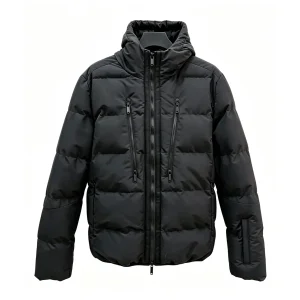
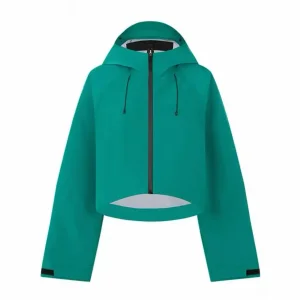
Discount Essential Jacket for Camping & Cycling for Multi-Scenario Use WOD05132 Quotes, Manufacturer
Analyzing shifting consumer demographics, micro-sizing requirements, and commercial sourcing criteria in the international sleepwear and loungewear landscape.
Global retail brands in North America, Northern Europe, and East Asia face unprecedented demand for dedicated petite and small sleepwear sets. Standard grading models frequently cause poor fits with drooping shoulders and excessive inseam pooling.
Modern consumers expect loungewear that transitions seamlessly from restorative sleep to remote work. Procurement teams seek high-density knit and woven fabrics that maintain structural opacity without compromising tactile luxury.
Fit-related product returns account for over 38% of direct-to-consumer apparel logistics costs. OEM partners capable of engineering precise petite sizing charts help brands cut return rates by 12–19%.
Examining yarn selection, hypoallergenic botanical cellulosics, circular knitting technologies, and friction-free assembly methods.
Engineered from sustainable beechwood cellulose, our 80s/100s yarn-count micro-modal offers skin friction coefficients 40% lower than traditional carded cotton.
Grade 6A Mulberry silk (19–22 momme) with natural sericin proteins preserves skin hydration during sleep, while eco-satin options serve vegan and circular collections.
Extra-long staple (ELS) combed fibers spun into single jersey or French terry knits resist pilling (Martindale test > 20,000 rubs) and offer natural thermo-regulation.
Small garments require smaller seam allowances. We deploy 4-needle 6-thread flatlock stitching and ultrasonic edge sealing to eliminate abrasive pressure ridges.
| Fiber Substrate | Recommended Yarn Count | GSM Range | Tensile / Burst Strength | Breathability (Air Permeability) | Ideal Seasonal Sourcing |
|---|---|---|---|---|---|
| Austrian Micro-Modal + Elastane (95/5) | 80s / 1 Combed Compact | 160 – 180 g/m² | > 280 kPa | > 420 mm/s | Spring / Summer / Core |
| Organic ELS Supima Cotton (Single Jersey) | 60s / 1 Ring Spun | 150 – 190 g/m² | > 310 kPa | > 380 mm/s | All-Season Premium |
| 100% Grade 6A Mulberry Silk (Charmeuse) | 19 – 22 Momme | 82 – 95 g/m² | > 190 N (Warp) | > 180 mm/s | Luxury / Resort Line |
| Bamboo Rayon / Cotton Thermal Waffle | 40s / 2 Dual-Core | 220 – 260 g/m² | > 350 kPa | > 340 mm/s | Fall / Winter Capsule |
How artificial intelligence, digital 3D virtual fittings, and smart thermoregulation are transforming OEM sleepwear production.
By simulating drape, elasticity, and tension over dynamic avatar motion paths, our engineering center cuts physical sample rounds from 4 iterations down to 1. This shrinks B2B development lead times by over 60%.
Integrating micro-encapsulated organic phase-change materials (PCM) into yarns buffers sleep microclimates, absorbing excess body heat and releasing it as skin temperature dips in REM sleep cycles.
Our computerized automatic marker nesting systems exceed 89% pattern efficiency. Cutting scraps are shredded into virgin-grade fibers for internal thermal filling and hybrid outerwear linings.
Evaluating trade dynamics, port logistics, cost-efficiency, and lead-time security across key global textile clusters.
Situated in Fujian's core coastal apparel belt near Quanzhou and Xiamen ports, our factory benefits from complete vertical supply chains. Yarns, knitters, dyehouses, and packaging plants operate within a 40-kilometer radius.
While nearshore production in Mexico, Central America, or Eastern Europe offers shorter transit times, raw fabric import dependencies often drive up landed unit costs by 24–40% on specialized small-batch sleepwear.
To help brand partners test seasonal colorways without capital drag, we run flexible minimums across shared base fabrics, lowering risk on boutique petites and specialized color capsules.
Ensuring complete product safety, environmental governance, and workplace integrity for major global consumer markets.
All pajama collections comply with 16 CFR Part 1610 (flammability of general wearing apparel), with stringent screening against lead, phthalates, and formaldehyde mandated under California Proposition 65.
Formulations strictly adhere to Annex XVII of EU REACH regulations, certifying azo dyes, arylamines, and organotin compounds remain well below SVHC (Substances of Very High Concern) detection limits.
Our facilities undergo routine third-party social audits. We enforce transparent labor guidelines, fair wages, ergonomic workstations, and stringent health and safety systems.
Actionable guidance on pattern conversions, custom development timelines, minimum order quantities, and factory audit policies.
Rather than simply scaling down chest and hip measurements, our pattern engineers re-proportion critical ergonomic anchor points: decreasing front/back rise lengths by 3–4 cm, narrowing shoulder widths by 2.5 cm, shortening sleeve and inseam lengths by 5–7 cm, and re-centering bust dart points to preserve natural anatomical contours.
Initial prototype and fit samples are delivered in 5 to 7 business days following digital tech pack confirmation. Lab dips and fabric swatches require 3 to 5 days. Upon pre-production (PP) sample sign-off, bulk cut-and-sew production typically spans 30 to 45 calendar days, supported by our 80,000+ unit monthly capacity.
Yes. We run reactive dyeing and digital pigment printing with Pantone Matching System (PMS) color fidelity. For engineered placement prints or directional rotary all-over patterns, computerized pattern nesting ensures print alignment across all garment seams within a strict ±1.5mm tolerance.
We operate an in-house physical testing laboratory executing dimensional stability, colorfastness to washing and crocking, bursting strength, and seam slippage tests. Bulk dispatches undergo AQL 1.5 Major / 2.5 Minor visual and dimensional audits, paired with comprehensive pre-shipment inspection (PSI) reports.
Each sleepwear set is carefully folded with acid-free tissue paper or recyclable backing cards, enclosed in a sealed, biodegradable polybag containing micro-pack anti-mold desiccants. Shipments are packed in heavy-duty 5-ply corrugated export cartons reinforced with water-resistant strapping bands.
We work under standard FOB Xiamen, FOB Quanzhou, CIF, or DDP terms. Regular payment terms include 30% deposit upon PO issuance, with the 70% balance payable upon presentation of clean on-board Bill of Lading (B/L) and certified internal QC pass documentation. Irrevocable Letters of Credit (L/C at sight) are accepted for enterprise volumes.
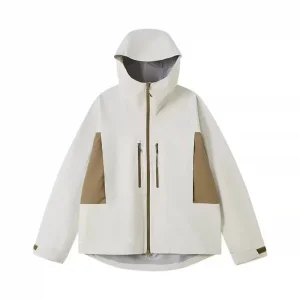
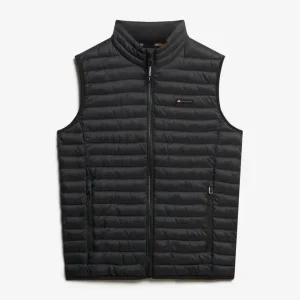
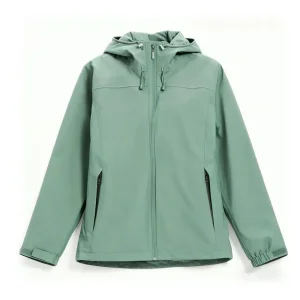
Explore our extended OEM manufacturing portfolio spanning technical hybrid outerwear, breathable athletic windbreakers, insulated vests, and CE-certified protective coats.
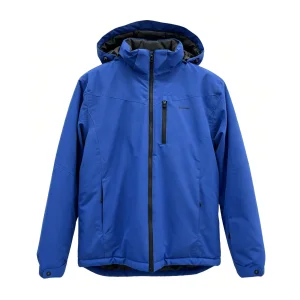
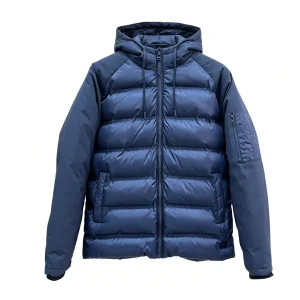
ODM Royal Blue Waterproof Insulated Outdoor Jacket Exporter, Manufacturer