B2B Outerwear Whitepaper · Japan Chubu Logistics Corridor

Best Jackets Exporter & Manufacturers for the Nagoya Market

Precision-Engineered Technical Outerwear, Heated Apparel, and Industrial Uniforms: Empowering Aichi's High-Spec Manufacturing Hub & Chubu Alpine Supply Chains with Direct Fujian Direct-Route Reliability.

5-7 Days
Fujian to Port of Nagoya direct container transit cadence
99.8%
Kenpin needle detection & JIS standard conformity pass rate
80,000+
Monthly capacity across automated lean jacket assembly lines
100% Zero-Defect
Kaizen workflow aligned with Nagoya automotive enterprise rigor
Nagoya Flagship Core Lineup

Primary Outerwear Engineered for Nagoya & Chubu Commercial Demands

Direct OEM/ODM solutions tailored for Aichi prefecture’s brisk coastal winds, automotive test engineers, transit commuters passing Meieki, and retail private labels.

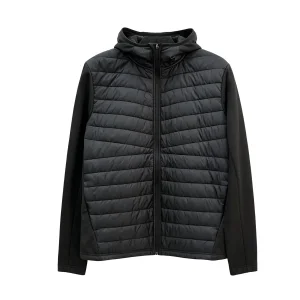
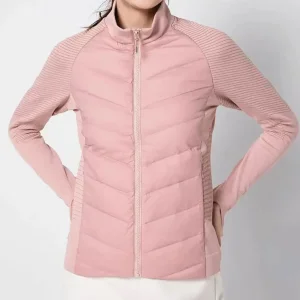
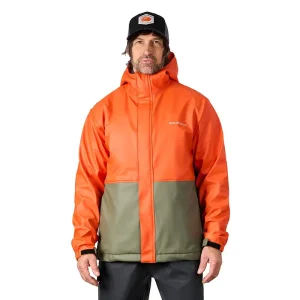
Nagoya Urban Commuter Geometric Quilted Lightweight Jacket Nagoya Spec
Ultra-Light Shell · Packable

Nagoya Metro Series Geometric Quilted Lightweight Outdoor Jacket

View Product Specs
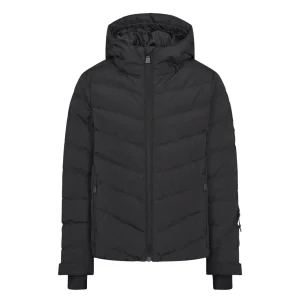
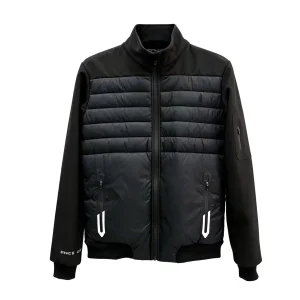
Nagoya Industrial Port Chevron Puffer Windproof Winter Coat Aichi Winter Pro
Windproof · Water-Resistant

Nagoya Port Chevron-Quilted Hooded Outdoor Heavy Puffer Coat

View Product Specs
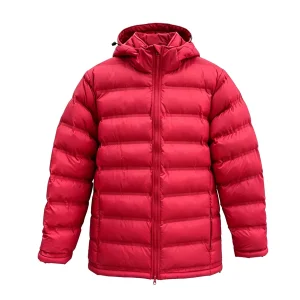
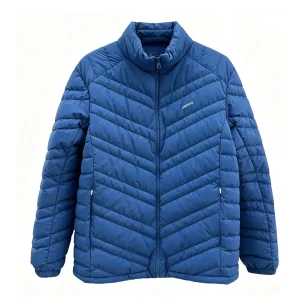
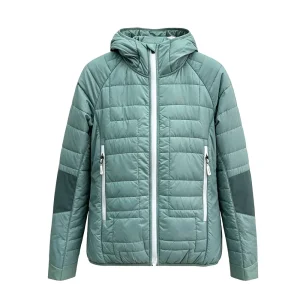
Chubu Alpine Chevron Lightweight Hooded Jacket Thermal Shell
High Warmth-to-Weight

Chubu Region Chevron Quilted Lightweight Performance Hooded Jacket

View Product Specs
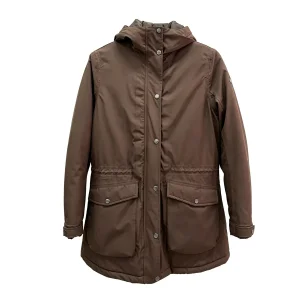
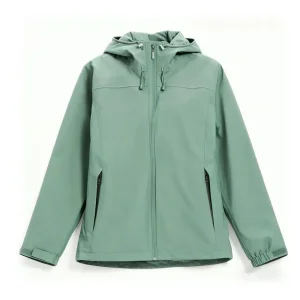
Nagoya High-Spec Waterproof Windproof Quilted Jacket JIS Certified
10,000mm Waterproofing

Nagoya Executive Waterproof & Windproof Quilted Warm Padded Jacket

View Product Specs
Economic Ecosystem & Demand Mapping

Why Nagoya Represents a Strategic High-Barrier Outerwear Market

As the powerhouse of the Greater Chukyo Industrial Zone—leading Japan in manufacturing shipment value for over four continuous decades—Nagoya requires functional jackets that bridge precision engineering, corporate uniforms, and unpredictable weather patterns.

Automotive & Precision Engineering Hub

Greater Nagoya (Aichi, Gifu, and Mie prefectures) hosts Toyota Motor Corporation and tier-1 aerospace component suppliers. Corporate technical apparel here is not generic merchandise; it functions as critical operational gear.

  • Anti-static JIS T 8118 standard compliance for robotics testing halls.
  • Ergonomic mechanical stretch for assembly plant facility managers.
  • High oil-repellency and fluorocarbon-free water-resistant outer coatings.

Chubu Regional Climate: The 'Ibuki-Oroshi' Wind

Winter in the Nobi Plain is characterized by dry, bitter winds known as Ibuki-oroshi blowing down from Mt. Ibuki, paired with sudden maritime rain near the Port of Nagoya. Jackets must excel in wind containment without sweating.

  • Total windproofing (air permeability < 0.5 cm³/cm²/s).
  • Dual-membrane systems maintaining 15,000 g/m²/24h breathability.
  • Thermal efficiency tuned for indoor-outdoor switching without bulk.

Chubu Outdoor & Alpine Proximity

Nagoya serves as the primary urban gateway to the Japan Northern Alps, Kisokoma, and Gifu’s ski valleys. Consumer markets demand high-functioning technical apparel that transitions effortlessly between urban Meieki and mountain trails.

  • Hybrid down/synthetic thermal mapping for dynamic ascents.
  • Minimalist Japanese city-boy silhouettes with covert technical utility.
  • Lightweight packability optimized for bullet train and express line travelers.
Logistics Engineering & Sourcing Speed

Direct Fujian Maritime Corridor: The Sourcing Edge for Nagoya Importers

ZanQian Garment operates from Quanzhou, Fujian—the world's most concentrated technical apparel production cluster. Positioned directly along East Asian short-sea routes, our supply chain is architected for Japanese delivery discipline.

Quanzhou-Xiamen to Port of Nagoya Express Lines

Our manufacturing facilities in the Quanzhou Taiwanese Investment Zone are within a 90-minute drayage radius to Xiamen and Quanzhou container berths. Standard feeder and direct regional container liners reach the Port of Nagoya in just 5 to 7 days, eliminating weeks compared to inland Chinese or South Asian sourcing hubs.

Complete Industrial Fabric Cluster Agility

Within a 30-kilometer radius, our R&D center sources premium recycled micro-ripstops, Toray-compatible functional lamination films, high-tenacity nylon 66 cordura-blends, and certified Japanese YKK zippers. We reduce fabric strike-off and lab-dip cycles from the industry average of 18 days down to 96 hours.

High-Mix, Low-Volume (HMLV) Scalability

Japanese purchasing departments avoid speculative inventory risk. ZanQian runs lean flexible modular lines capable of scaling from initial 500-piece pilot runs for boutique specialty retailers in Sakae up to 50,000-piece unified corporate uniform contracts for tier-one regional industrial groups.

Procurement Architecture

Fujian vs. Alternative Supply Chains for Nagoya

A comparative operational breakdown for sourcing managers evaluating total cost of ownership (TCO) and lead-time predictability.

Evaluation Metric ZanQian (Fujian) Southeast Asia Hubs
Port-to-Port Transit 5–7 Calendar Days 18–26 Calendar Days
Technical Trims Access Immediate (In-cluster) 3-4 Wks Import Delay
Needle Inspection (Kenpin) In-house Certified Requires Third-Party
Sample Lead Time 5–7 Business Days 18–25 Business Days
Target Port: Nagoya (JPNGO) Direct Bill of Lading Inquire Delivery Timeline
Quality Verification Protocols

Comprehensive JIS Compliance & Japanese Kenpin Assurance

Japan’s apparel import market tolerates zero physical defects. ZanQian operates an advanced in-house testing laboratory and follows the Japanese Apparel Industry Quality Standard (JIS L Series) down to the millimeter.

Testing Domain / Specification Applicable Standard Nagoya Commercial Requirement ZanQian Factory Execution Standard
Hydrostatic Water PressureWaterproof Outer Shells JIS L 1092 Method A / B 10,000mm – 20,000mm H₂O for mountain outerwear and all-weather work uniforms. Fully seam-sealed micro-taping (13mm-18mm 3-ply hot melt). Tested on in-house hydrostatic testers prior to lot release.
Moisture Vapor Transmission (MVTR)Breathable Laminates JIS L 1099 Method B-1 (Inverted Cup) > 10,000 g/m²/24h for high-movement field technicians and winter sports lines. Microporous PU & PTFE membrane bonding with zero delamination after 20 commercial wash cycles.
Needle & Metal ContaminationInspection Protocol (Kenpin) Japan Customs & MITI Safety Mandates Zero tolerance for broken needle tips, wire fragments, or ferrous debris. Dual-head 1.0mm-1.2mm Fe conveyer belt needle detectors (Hashima system). 100% of finished units audited before polybag packaging.
Color Fastness & RubbingIndustrial & Commuter Fabrics JIS L 0844 (Washing) / JIS L 0849 (Rubbing) Grade 4 or above (Dry/Wet) to avoid dye migration onto automotive leather or work interiors. Spectrophotometer color batch verification; certified dye recipes conforming to OEKO-TEX Standard 100 and REACH chemicals list.
Electrostatic Discharge ProtectionTechnical Industrial Workwear JIS T 8118 Electrostatic Standard Critical for Chukyo cleanrooms, automotive electronics lines, and paint facilities. Conductive carbon fiber threads woven at 5mm intervals; antistatic zips and non-conductive snaps integrated as specified.

Japanese Tech Pack Fluency

We work directly with Japanese measurement specifications (着丈, 身幅, 裄丈), tolerances under ±5mm, and bilingual Japanese/English bills of material. No ambiguity in pattern transfer.

Care Label & Law Label Compliance

Pre-printed wash-care labels conforming strictly to JIS L 0001 (ISO-harmonized care symbols), fiber identification regulations, and legal importer registration in Japan.

Third-Party Inspection Readiness

Fully compliant with accredited Japanese testing institutes including QTEC, BOKEN, and Nissenken for pre-shipment lot sampling, factory social audits, and chemical certifications.

Field Application Scenarios

Engineered for Aichi’s High-Demanding Realities

From freezing outdoor logistics loading bays to modern transit environments, jackets manufactured by ZanQian are customized for four primary Chubu market applications.

Industrial Infrastructure

Port of Nagoya Logistics & Freight Yards

The Port of Nagoya handles tens of millions of tons of maritime freight annually. Dock workers, crane operators, and intermodal logistics staff endure raw sea spray, high wind friction, and long shifts during damp winter months.

  • 300D Oxford and Cordura-reinforced elbow and shoulder panels.
  • High-visibility retroreflective strips tested to EN ISO 20471 / JIS standards.
  • Integrated heated panels (7.4V system) with sealed moisture-proof battery cradles.
Business-Casual Commuting

Meieki & Sakae Metropolitan Professionals

Commuters traversing Nagoya Station (Meieki), Fushimi, and Sakae experience rapid temperature fluctuations between heated bullet trains/subways and wind-swept outdoor plazas. Jackets require clean tailored profiles with dynamic thermoregulation.

  • Matte-finish water-resistant quiet face fabrics that drape smoothly over suits.
  • Internal concealed pocket architectures designed for transit cards, passports, and phones.
  • Geometric baffle styling preventing thermal migration while staying sleek.
Outdoor Sport & Trail

Chubu Mountain Range & Gifu Ski Expeditions

The outdoor enthusiast community in Aichi regularly travels to Hakuba, Takayama, and Shiga Kogen. Outdoor retail brands sourcing from ZanQian gain access to pro-grade technical snow jackets and modular shells.

  • 3-layer laminate hardshells with 20,000mm hydrostatic head.
  • Integrated underarm ventilation zips, detachable snow skirts, and storm hoods.
  • Ethically sourced RDS down or PrimaLoft-equivalent recycled insulation fills.
Corporate & Facility Uniforms

Aerospace & Automotive Engineering Operations

Aichi hosts Japan's premier aerospace assembly plants (including regional aviation sub-assemblies) and Toyota City supplier chains. Uniforms require extreme durability, consistent batch dyeing, and clean brand embroidery.

  • Bar-tack stitching reinforced at 18 critical stress nodes.
  • High-density embroidery execution capable of micro-typography reproduction.
  • High cycle industrial launderability without shrinkage or pilling.
Global Trends & Next-Gen Tech

Future-Proofing Apparel Lines for Japanese B2B Buyers

Japanese consumer sentiment and corporate procurement standards are rapidly advancing in three key disciplines: active thermal regulation, circular sustainability, and hybrid utility.

Smart Carbon-Fiber Heated Garments

The demand for heated jackets and vests has surged across Japanese construction and distribution facilities to cut indoor heating costs and safeguard outdoor crews. ZanQian integrates ultrathin flexible carbon-fiber elements with intelligent 3-step microcontrollers.

  • Dual 5V USB & 7.4V battery pack compatibility.
  • Overheat cut-off protection and multi-zone thermal switches.
  • Full machine washable construction with silicone-encapsulated wiring.

Eco-Circular Recycled Polymers

Japanese conglomerates emphasize ESG accountability. ZanQian delivers certified GRS (Global Recycled Standard) recycled polyesters, nylon made from reclaimed ocean debris, and PFC-free DWR coatings (C0 water repellency).

  • GRS-certified fabric supply chain with valid transaction certificates (TC).
  • Biodegradable polybag and soy-ink recycled carton packaging.
  • Mono-material garments engineered for 100% post-consumer recyclability.

Hybrid Construction & Welded Baffles

Stitched needle holes are the primary failure point in insulated jackets, allowing water entry and feather leakage. ZanQian deploys advanced sonic welding and hot-laminated seamless baffles to optimize insulation stability.

  • Zero down leakage (conforms to Japanese JIS down testing).
  • Hybrid mapped panels pairing micro-fleece sides with insulated cores.
  • Reduced jacket weight by up to 22% compared to traditional sew-through coats.
Complete Export Catalog

Technical & Casual Jackets Ready for Nagoya Importers

Explore our full line of functional parkas, thermal gilets, travel leisure jackets, and certified workwear. Direct quotation and sampling available.
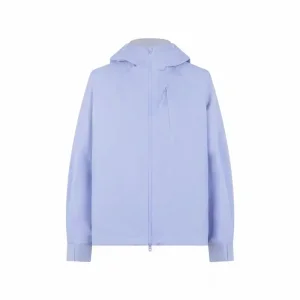
Nagoya Travel Leisure Dyeing Printing Jacket Colorfast Pro
Travel & Commute · WOD05134

Nagoya Urban Travel High Color Fastness Dyeing & Printing Jacket

View Product Specs
Nagoya Water Resistant Parka Insulated Jacket Winter Parka
Storm Insulation · Heavyweight

Nagoya Coastal Water-Resistant Parka-Style Technical Insulated Jacket

View Product Specs
Nagoya Outdoor High-Value Field Shell High-Value OEM
All-Weather Shell · WOD05130

Chubu Region High-Efficiency Outdoor Technical Shell Jacket

View Product Specs
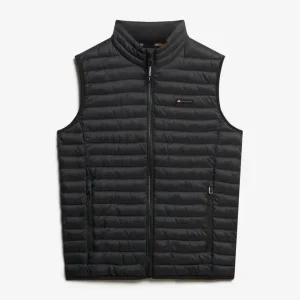
Fuji Lite Thermal Gilet Vest for Chubu Thermal Layer
Light Gilet · MOD03124

Japan Fuji Lite Thermal Insulated Gilet Vest for Chubu Climate

View Product Specs
Nagoya Daily Casual Commuter Jacket City Boy Cut
Casual Utility · WOD02160

Nagoya Metro Daily Casual Utility Jacket for Corporate Retail

View Product Specs
CE Certified Stand Collar Lightweight Quilted Jacket CE & JIS Spec
Stand Collar · Thin Warmth

Nagoya Industrial Stand-Collar Lightweight Quilted Thin Warm Jacket

View Product Specs
Neptune Thermo All-Weather Jacket Thermal Shield
Thermo Tech · MOD04106

Nagoya Maritime Neptune All-Weather Thermo Insulated Jacket

View Product Specs
Hybrid Bomber Insulated Jacket Nagoya Hybrid Tech
Bomber Hybrid · Thermal Utility

Aichi Automotive Hybrid Bomber-Style Insulated Technical Jacket

View Product Specs
Buyer Knowledge Base

Frequently Asked Questions for Nagoya Importers & Brands

Direct, transparent answers regarding Japanese import logistics, sample development speed, compliance standards, and production flexibility.

What are the exact shipping routes and transit durations from your Quanzhou factory to the Port of Nagoya (JPNGO)?
We utilize direct feeder and mainline container vessels departing from Xiamen Port and Quanzhou Port directly to the Port of Nagoya (handling through the Tobishima or Nabeta container terminals). Ocean voyage transit time is reliably between 5 to 7 calendar days. For express sampling and urgent pre-series approvals, direct air cargo from Xiamen Gaoqi (XMN) or Fuzhou Changle (FOC) to Chubu Centrair International Airport (NGO) takes under 48 hours door-to-door.
How does ZanQian execute Japanese Kenpin (検品) needle inspection and zero-metal compliance?
Our facility operates dedicated clean-room finishing zones equipped with calibrated Hashima high-sensitivity conveyor-type dual-sensor needle detection machines. Every single unit undergoes 100% inspection down to a 0.8mm-1.0mm ferrous test sphere before final polybag sealing. We also enforce strict broken needle log registers (針管理表) where all parts of a broken needle must be physically reconstructed before a new needle is issued to an operator. Full Kenpin inspection reports are supplied with commercial shipping manifests.
Can you produce private-label smart heated jackets that comply with Japan's Electrical Appliance and Material Safety Law (PSE)?
Yes. ZanQian produces heated jackets, vests, and workwear with carbon-fiber or graphene heating elements engineered specifically for Japanese trade partners. If our clients source lithium-ion power banks through us, we ensure the batteries possess authentic METI-registered Japanese PSE circular marks with certified laboratory test documentation. Alternatively, we manufacture the garments to be universally plug-compatible with standard 5V USB power banks widely available in the Japanese consumer retail market.
What are your Minimum Order Quantities (MOQs) for custom OEM orders bound for Japan?
To support Japanese brands balancing stock-turn efficiency, our standard MOQ starts at 500 to 800 pieces per style across 2 to 3 colorways. For corporate uniform tenders or specialized industrial safety contracts within the Aichi region requiring customized fabric weaves or specialized JIS T 8118 antistatic finishes, MOQs are determined by textile mill dye-vat minimums (typically 1,000 meters, yielding approximately 600-800 technical jackets).
How do you handle Japanese fit grading and bilingual tech packs?
Our in-house R&D team of pattern makers is fluent in standard Japanese sizing charts (JASPO standards / JIS L 4005 for men, women, and juniors). We understand that Japanese fits require distinct adjustments compared to Western specifications—including optimized sleeve lengths (裄丈), adjusted shoulder slopes (肩幅), and balanced chest drops (チェスト寸法). Tech packs provided in Japanese are seamlessly reviewed by our specialized merchandising team with no third-party translation latency.
Can ZanQian accommodate pre-shipment inspections by Japanese third-party inspection firms (e.g., QTEC, BOKEN)?
Absolutely. We regularly coordinate pre-production and final container-loading audits with third-party testing centers including QTEC, BOKEN Quality Evaluation Institute, SGS, and Bureau Veritas. Furthermore, buyers are welcome to conduct on-site factory quality audits (工場審査) at our 5,000+ sqm production facility in Quanzhou, Fujian.
Direct Factory Partnership

Elevate Your Outerwear Program for the Nagoya Market

Whether you require JIS-certified technical shells for Chukyo manufacturing enterprises or trend-forward city parkas for Japanese fashion retail, ZanQian delivers Quanzhou vertical speed and Japanese zero-defect standards.

Send Inquiry Now Request Nagoya Tech Sample