
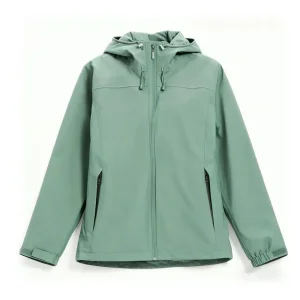
High-velocity export configurations engineered for versatile terrain, commercial outdoor fleets, and multi-scenario outdoor operations across the Indonesian archipelago.
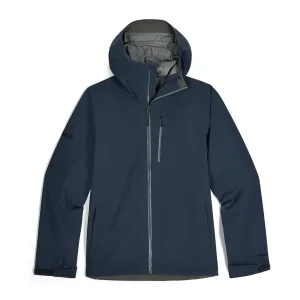
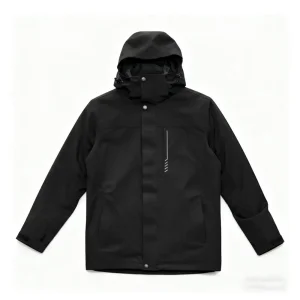
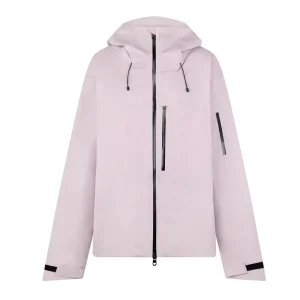
Navigating equatorial microclimates, consumer behavioral shifts, and high-altitude volcano trekking ecosystems from Sumatra to West Papua.
Indonesia's tropical rainforest climate presents a severe technical paradox: extreme ambient humidity (frequently exceeding 85-90% RH) combined with sudden, high-volume torrential downpours. Conventional heavy-duty 3-layer mountaineering shells cause swift condensation buildup inside the garment, creating hypothermia risks at high volcanic camps like Mount Rinjani or Mount Semeru. Successful apparel requires high RET (<6 m²Pa/W) breathable microporous membranes paired with mechanical underarm ventilation.
The domestic youth demographic and international ecotourism have surged across Java, Bali, and Lombok. The proliferation of organized commercial "Open Trips" has transformed technical gear from niche extreme sport equipment into mainstream lifestyle apparel. Distributors in Jakarta, Surabaya, and Bandung require versatile hybrid jackets and convertible 4-way stretch ripstop hiking pants that can seamlessly transition from urban commuting to rugged volcanic ascents.
While Indonesia hosts a massive domestic textile manufacturing footprint, local production centers in West Java predominantly focus on fast-fashion woven knits, basics, and light workwear. High-spec performance membrane laminations (ePTFE, electrospun TPU, seam-sealing polymers, and hydrostatic ratings over 15,000 mm) remain heavily reliant on specialized overseas technical OEM partners equipped with digital seam-testing facilities.
How our high-altitude garment engineering solves the critical trade-off between exterior deluges and high-humidity interior sweat condensation.
| Garment Component | Technical Specification | Indonesian Climate Engineering Rationale | Testing & Compliance Protocol |
|---|---|---|---|
| Tropical Alpine Shell | 2.5L / 3L Ultra-Light Poly Ripstop + Electrospun Nanoporous Film | Prevents moisture cling in 90% RH environments while blocking flash downpours during altitude gains on Mount Kerinci. | JIS L 1092 Method B (>15,000mm H₂O), ASTM E96 Inverted Cup |
| Convertible Trekking Pants | 92% Nylon 66, 8% Spandex with Cordura® Knee Reinforcements | High resistance to razor-sharp volcanic scree and tropical brush; DWR coating beads off mud and intermittent rainfall. | ISO 12947-2 Martindale Abrasion (>25,000 cycles) |
| Seam Waterproofing | 13mm Hot-Air Welded Low-Tack Polyurethane Tape | Eliminates stitch-hole leaks under driving monsoons without adding rigid weight or trapping heat around shoulder seams. | Hydrostatic Suter Head Test (No leakage at 100 kPa for 3 min) |
| Thermal Core Hybrid | Body-Mapped Lightweight Grid Fleece + Windproof Micro-Rip Face | Provides immediate core warmth during sudden summit temperature drops (down to 2°C) without suffocating moisture release. | ISO 11092 Thermal Resistance (Rct) & Water Vapor Resistance (Ret) |
Field-tested performance matching the exact meteorological and geographic demands of the Indonesian archipelago.
Primary Locales: Mount Rinjani (Lombok), Mount Bromo & Semeru (East Java).
Stress Factors: Highly abrasive sulfurous ash, sharp basalt gravel, sudden sub-zero gusts near crater rims.
Apparel Solution: Articulated gusset pants reinforced with high-density ripstop, anti-corrosive YKK zippers, and 3-way adjustable storm hoods that shield the neck from toxic volcanic dust and sideways rain.
Primary Locales: Bukit Lawang (Sumatra), Heart of Borneo (Kalimantan).
Stress Factors: Constant rain canopy drip, 98% relative humidity, dense thorny vines, and terrestrial leech infestations.
Apparel Solution: Hyper-dense tight-weave mosquito-proof fabrics, DWR quick-drying chemical treatments, integrated internal gaiter loops on pant cuffs, and high-visibility contrast accents for field safety under dense canopies.
Primary Locales: Mining outposts in Sumbawa/Papua, corporate retreats in Puncak & Bandung.
Stress Factors: Heavy continuous daily wear, high-friction work environments, institutional laundering cycles.
Apparel Solution: Customized corporate embroidery-ready panels, triple-needle chain-stitched stress zones, bar-tacked pockets, and colorfast dye chemistry resistant to harsh tropical UV fading.
Mitigating regulatory bottlenecks, custom clearances, and technical certification hurdles for seamless entry into Indonesian distribution hubs.
Indonesian trade authorities enforce strict fiber content disclosures and textile testing parameters. Our production runs provide certified lab breakdowns verifying precise polyester/polyamide/spandex weight percentages, formal Azo-dye test verifications, and formaldehyde-free textile safety reports aligned with Indonesian trade regulatory oversight.
Through our optimized bilateral documentation under the ASEAN-China Free Trade Area (ACFTA), Indonesian importers leverage Form E certification to substantially diminish or eliminate baseline import duties at Tanjung Priok (Jakarta), Tanjung Perak (Surabaya), or Belawan (Medan). We ensure rigorous bill-of-lading and HS Code alignment (HS 6201 & 6203).
Direct OEM/ODM production lines with verified ASTM/JIS testing, low MOQs, and tailored regional tech packs.
Explore our specialized performance models featuring seamless heat-pressing, abrasion-resistant commuting fabrics, and hydrostatic storm barriers ready for brand adaptation.
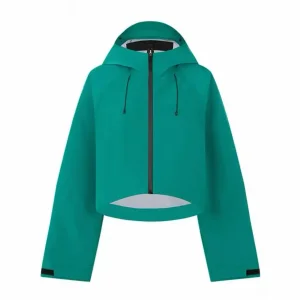
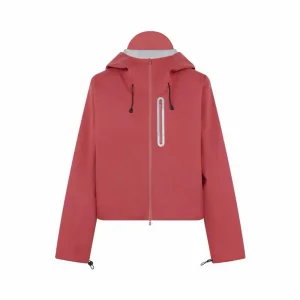
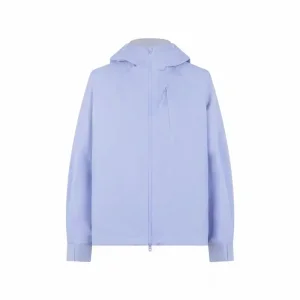
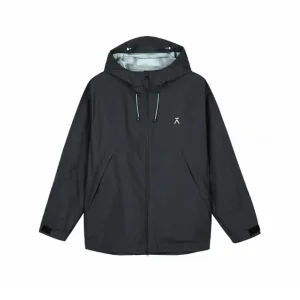
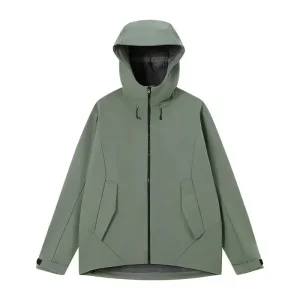
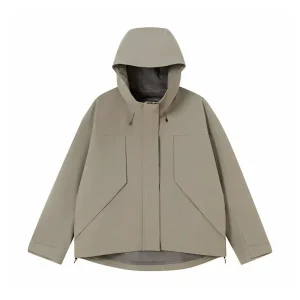
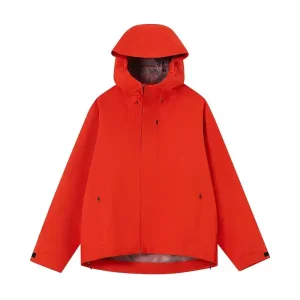
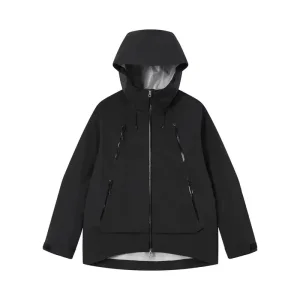
Strategic supply chain innovations steering functional apparel toward eco-circularity, carbon compliance, and smart thermal integration.
Global environmental mandates and eco-conscious Indonesian consumers demand phasing out fluorinated water-repellent coatings. Our next-generation DWR solutions utilize plant-based and silicone-modified C0 chemistries that preserve a 90-point water beading score over 20 home washings without leaching toxic bioaccumulative fluorocarbons into pristine tropical river ecosystems.
Eliminating delamination issues through single-polymer garment construction. By manufacturing face fabrics, waterproof electrospun membranes, and inner backing meshes from 100% Recycled Polyethylene Terephthalate (rPET), garments can be fed directly into chemical depolymerization recyclers at end-of-life, drastically lowering the overall lifecycle footprint.
For high-altitude volcano overnights where ambient temperatures drop near freezing, our advanced R&D team integrates flexible carbon-nanotube heating tracks powered by lightweight 5V power banks. Encased in sealed silicone pods, the electronic tracks withstand over 50 commercial laundry wash cycles without performance loss.
Clear, authoritative technical answers addressing minimum orders, tropical fabric configurations, sampling lead times, and Indonesian import clearance.
Connect directly with our outerwear technical development division. We review tech packs, provide lab dips, and prepare rapid turnaround costing models.
Send Inquiry Now