
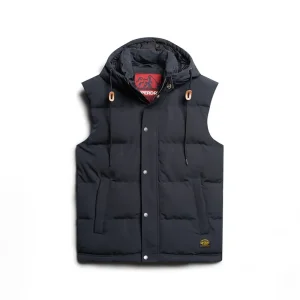
Bridging high-performance Chinese OEM/ODM manufacturing capability with Ireland’s demanding Atlantic maritime climate, corporate cold-chain standards, and sustainable retail supply networks.
Engineered for relentless Atlantic dampness, fluctuating gale chill, and high-performance urban commuting across Dublin, Cork, Galway, and beyond.
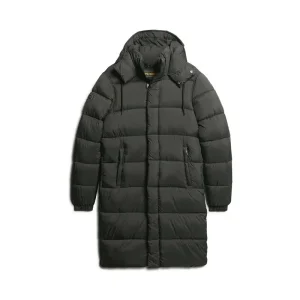
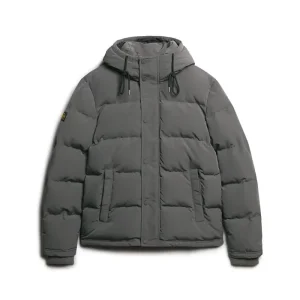
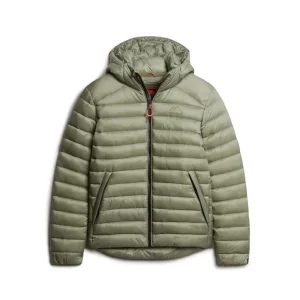
Procuring insulated outerwear for the Republic of Ireland requires an engineering perspective distinct from typical continental or sub-zero dry markets. Driven by prevailing North Atlantic south-westerlies, Ireland endures what microclimate researchers classify as an extreme hyper-oceanic, temperate damp environment. Freezing temperatures frequently fluctuate around 0°C to 8°C paired with continuous high-volume precipitation, mist, and driving maritime winds. Under these persistent humidity levels (often surpassing 85–95%), conventional untreated down insulation collapses, absorbs ambient vapor, clumping together and losing all thermal resistance (CLO value).
Consequently, industrial procurement managers and retail outdoor brand designers throughout Ireland prioritize synthetic micro-cluster fibers, multi-filament air-trapping batting, hydrophobic down treatments, and membrane laminations with hydrostatic heads exceeding 10,000mm to 20,000mm.
Ireland’s domestic industrial manufacturing of technical outerwear has largely migrated toward specialized design, testing, brand marketing, and direct distribution. Domestic fabrication is constrained by severe labor shortages in skilled CMT (cut, make, trim) workers, rising commercial energy tariffs, and the absence of upstream raw material mills.
To remain price-competitive and deliver cutting-edge technical specs, Irish brands, corporate suppliers, and PPE distributors rely on vertically integrated OEM/ODM manufacturing partnerships in Fujian, China. This model blends European market knowledge with modern automated mass production.
Consult Sourcing SpecialistsFrom Dublin's corporate Silicon Docks to high-wind offshore wind substations, insulated jackets serve diverse operational environments across the island.
In urban tech corridors like Dublin 2, the Grand Canal Dock, and Cork City Center, companies provide high-spec outerwear for multinational workforces. These styles require matte-finish 2-layer laminations, discreet branding, tailored ergonomics, and lightweight warmth suitable for walking, cycling, and light rail travel.
Technicians operating in coastal ports such as Shannon Foynes, Killybegs, and Cork Harbour require workwear built for wind chill, salty spray, and wet decks. Outerwear must feature ripstop face fabrics, welded chambers, and synthetic moisture-resistant batting to sustain warmth during exposed marine maintenance.
Ireland hosts nine of the world’s top ten biopharma enterprises. Maintaining temperature-controlled cleanrooms, cold storage facilities, and pharmaceutical supply chains requires EN 342-certified low-lint thermal jackets that resist wash-induced breakdown and keep staff warm in sub-zero ambient rooms.
Hikers along the Wild Atlantic Way, the Ring of Kerry, and the Wicklow Way generate steady retail demand for packable, high-loft hybrid jackets. Garments must offer high warmth-to-weight ratios, compressible storage, and robust weather shields against sudden Atlantic squalls.
Ireland’s beef and dairy industries rely on refrigerated processing plants. Workers need flexible, easy-to-clean insulated garments featuring moisture barriers, antimicrobial linings, bar-tacked stress points, and abrasion-resistant exterior shells.
Under Irish statutory safety regulations, winter construction crews require PPE compliance that integrates thermal protection with high-visibility standards (EN ISO 20471). Insulated workwear must combine certified retro-reflective tapes with cold-bridge insulated linings.
How cutting-edge insulation technologies address moisture vulnerability, body microclimates, and upcoming European environmental mandates.
Traditional quilted jackets rely on stitching that punches thousands of needle holes through face fabrics, creating cold bridges and entry paths for driving rain. ZanQian Garment’s R&D center eliminates these failure points using sonic welding, bonded channel chambers, and multi-density fill mapping.
By strategically placing hollow-fiber synthetic insulation in high-sweat zones and high-loft down along core torso areas, our hybrid insulated jackets preserve breathability while sealing in critical core warmth.
| Component | Traditional Standard | ZanQian Next-Gen Architecture |
|---|---|---|
| Insulation Matrix | Conventional loose duck down (collapses when damp) | Hydrophobic RDS Down + GRS Recycled Micro-Clusters |
| Chamber Construction | Standard through-stitch needle perforations | Seamless Ultrasonic Thermal Bonded Baffles |
| Water Repellency | C6 / C8 fluorocarbon DWR treatments | 100% Bio-based Fluorine-Free (PFAS-Free) DWR |
| Membrane Barrier | Microporous PU with limited stretch | Hydrophilic Bio-TPU / PTFE 20,000mm/20,000g Breathability |
| Thermal Regulation | Static passive insulation traps body heat | Active Graphene Print Linings + Far-Infrared Yarn |
Combining agile scale, vertical textile integration, and rigorous testing for Irish brand partners.
Situated in the Quanzhou Taiwanese Investment Zone, Fujian, ZanQian Garment Co., Ltd. operates at the core of the world’s most sophisticated outerwear supply chain cluster. With production roots tracing back to 2004, our facility covers more than 5,000 square meters, housing 6+ specialized lean assembly lines and 150+ skilled garment technicians capable of producing over 80,000 finished pieces per month.
Unlike fragmented sewing contractors, ZanQian manages the entire lifecycle in-house: CAD pattern generation, automated laser cutting, sonic baffle welding, automated down filling, seam sealing, and comprehensive pre-dispatch lab testing.
Navigating post-Brexit trade routes requires direct, streamlined access into EU territory. Goods destined for Irish buyers clear customs directly through Dublin Port, Cork Port, or Shannon Airport, avoiding UK landbridge tariffs and administrative delays.
Flexible Shipping Options:
Ocean FCL/LCL directly to Dublin/Cork (28–35 days); Priority Air Cargo to Dublin DUB (5–7 days) for urgent seasonal replenishment.
Ensuring your insulated outerwear programs meet strict EU regulations, workplace safety directives, and environmental standards.
All fabrics, zipper teeth, pullers, membrane adhesives, and finishes comply with European REACH chemical limits. We provide certified PFAS-free durable water-repellent (DWR) chemistries to safeguard your brand ahead of EU regulatory bans.
Our certified outerwear programs are designed to meet thermal resistance (Icler), air permeability, and water penetration resistance standards, ensuring commercial PPE buyers meet workplace safety criteria across Ireland and the EU.
Down fills come with Responsible Down Standard (RDS) chain-of-custody documentation, ensuring humane treatment of waterfowl. For circular economy programs, we offer Global Recycled Standard (GRS) shells, liners, and recycled cluster padding.
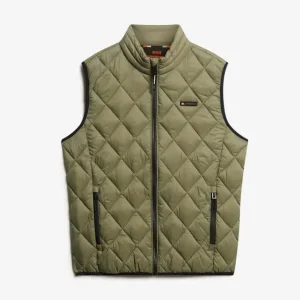
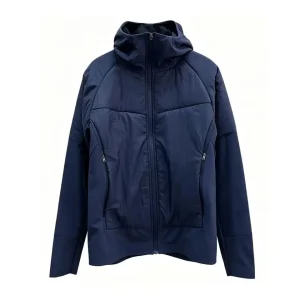
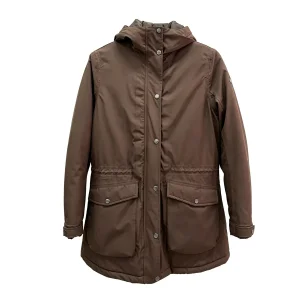
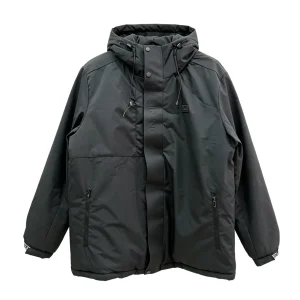
Explore our comprehensive OEM/ODM product portfolio, customizable with your private labels, tech packs, hardware trims, and performance fabrics.
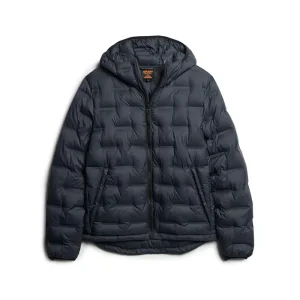
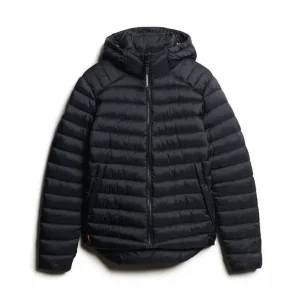
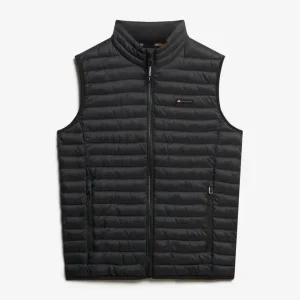
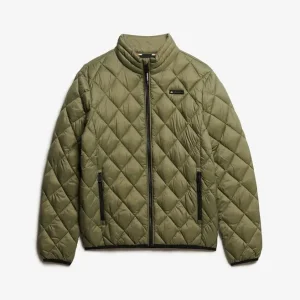
Clear, direct answers for apparel buyers, supply chain executives, and technical brand managers sourcing for Ireland.
Standard down collapses when exposed to persistent Atlantic moisture. For Ireland, we engineer jackets with hydrophobic-treated down or synthetic clusters (e.g., recycled hollow poly fibers) bonded into ultrasonic welded baffles. This configuration prevents water ingress through needle perforations and preserves loft and insulation even in sustained 90%+ humidity.
Our baseline production run is generally 500 to 800 pieces per style across standard colorways and size breakdowns. For specialized tech pack development with custom fabric dye lots or technical membranes, MOQ starts around 1,000 pieces. Flexible programs are available for initial market trials and established multi-style collections.
Shipments dispatch from Quanzhou or Xiamen ports directly to Dublin Port or Cork via ocean freight (typical transit: 28–35 days), avoiding post-Brexit UK landbridge transit complications. Express samples and urgent replenishment runs move via air freight to Dublin Airport (DUB) within 5–7 business days, accompanied by complete EU customs documentation and HS classification support.
Yes. ZanQian has phased out C8 and C6 fluorocarbon water-repellent treatments in favor of bluesign-certified, bio-based fluorine-free (PFAS-free) durable water repellents (DWR). Every fabric lot, membrane layer, zipper, and accessory passes OEKO-TEX Standard 100 Class I/II and REACH Annex XVII testing.
Yes. We produce both carbon-fiber and graphene heating pad apparel systems configured for 5V USB powerbanks or 7.4V proprietary battery packs. All electronic components feature waterproof connectors, multi-stage temperature safety limiters, and machine-washable wiring routes suitable for cold chain logistics and exposed industrial outdoor tasks.
We operate an internal functional textile laboratory that tests raw fabric rolls for tearing strength, seam-tape bonding, down-proof air permeability, and colorfastness. Bulk production undergoes inline inspections at each sewing station, followed by 100% final end-of-line audits based on AQL 1.5 or AQL 2.5 standards to maintain an overall qualified rate above 98%.
Whether building an outdoor retail collection for the Irish market, supplying industrial PPE workwear, or outfitting corporate workforces across Dublin and Cork, connect directly with our technical engineering team for samples, costings, and tech pack reviews.