
CE EN 343 / JIS L 1092
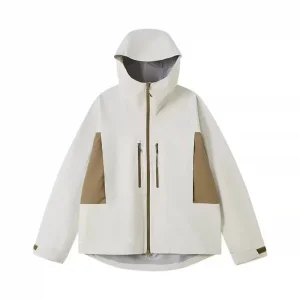
20k mm Hydrostatic
Multi-Scenario
Directly responding to the demand of Japanese trading houses, outdoor apparel labels, and corporate uniform buyers: certified seam-sealed weatherproofing, cold-climate thermal matrices, and ergonomic commuter tailoring.
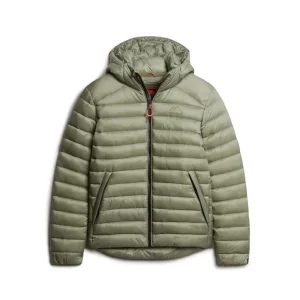
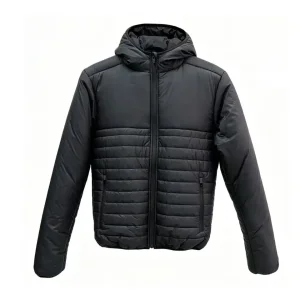
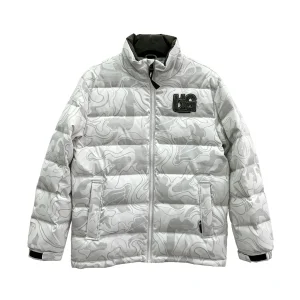
Japan represents one of the world's most sophisticated and demanding markets for functional outerwear. Understanding the convergence between domestic statutory regulations (JIS/PSE) and European CE standards unlocks exceptional commercial leverage for corporate procurement teams.
With an aging industrial workforce across civil engineering, forestry, and logistics sectors, Japan's Ministry of Health, Labour and Welfare (MHLW) emphasizes ergonomic, fatigue-reducing work gear. CE EN ISO 13688 (general performance) matched with Japanese JIS L 4004 anthropometric pattern cutting ensures that heavy cold-weather jackets provide full range-of-motion without muscular strain or excess bulk.
The boundary between traditional Japanese blue-collar uniforms (Sagyo-gi) and urban outdoor fashion has permanently dissolved. Retail powerhouses like Workman Plus and Montbell have transformed performance expectations: consumers demand mountain-grade hydrostatic resistance (over 10,000mm) combined with sleek, understated Tokyo city aesthetics and ultra-durable ripstop fibers.
The rapid proliferation of electric-heated jackets (Den-netsu Best) in Japanese construction sites during harsh Tohoku winters necessitates absolute electrical safety. Integrating CE EMC / Low Voltage compliance alongside mandatory Japanese METI PSE certification for lithium-ion battery integration and NTC thermal safety shut-off systems is vital for legal market entry.
From the extreme sub-zero blizzards of Hokkaido to the suffocating humidity of the Pacific monsoon belt (*Tsuyu*), our technical outerwear portfolio solves severe environmental stressors through localized material science.
Construction, utility repairs, and maritime port workers in Sapporo, Niigata, and Aomori face brutal Siberian winds combined with high-salinity maritime humidity. Our jackets leverage CE EN 342 / EN 14058 certified synthetic insulation arrays, welded watertight baffle constructions that eradicate needle punctures, and heavy-gauge ripstop face fabrics tested to 20,000+ Martindale cycles under JIS L 1096 standards.
With the rapid boom in e-commerce delivery riders operating e-bikes and mopeds through narrow metropolitan streets, garments must balance extreme breathability with wet-weather protection. Our 2.5L and 3L shell solutions utilize microporous membranes meeting JIS L 1099 B-1 breathability (>15,000 g/m²/24h), preventing inner condensation while maintaining CE EN 343 Class 4 waterproofing and discrete high-visibility 3M retroreflective bands.
Foresters and alpine safety crews in Nagano, Gifu, and Gunma encounter steep, abrasive brushwood terrain and torrential precipitation. Our tactical shell builds integrate 100kPa hydrostatic pressure textiles, reinforced Cordura® 500D elbow and shoulder overlays, and adjustable storm-tunnel hoods engineered to sit seamlessly over safety helmets without obstructing peripheral vision.
Operators in modernized frozen-food logistics facilities (operating constantly at -20°C to -30°C) require lightweight, bulk-reduced thermal garments. ZanQian's integrated smart heated vests and mid-layers feature thin carbon-fiber thermal grids, zoned chest-and-lumbar heat dispersal, and moisture-wicking fleece side panels that prevent cold-shock sweating during high-intensity forklift and picking operations.
Understanding technical parity between European CE marking requirements and Japanese domestic testing methodologies guarantees flawless import documentation, zero customs holdups, and immediate commercial confidence.
| Performance Domain | European CE Regulatory Benchmark | Japanese Industrial Standard (JIS) | ZanQian Factory Execution Target |
|---|---|---|---|
| Hydrostatic Water Resistance | EN 343 Class 4 (Hydrostatic head ≥ 20,000 Pa after pre-treatment) | JIS L 1092 Method B (High Hydraulic Pressure Method) | Tested to 100kPa (≥10,000mm to 20,000mm H₂O); fully taped 3-ply thermal polyurethane hot-melt sealing tape. |
| Water Vapor Permeability (Breathability) | EN 343 Class 4 ($R_{et} \le 15\ \text{m}^2\cdot\text{Pa/W}$) | JIS L 1099 Method B-1 (Potassium Acetate Inverted Cup Method) | 10,000 to 20,000 g/m²/24h; hydrophobic micro-porous membrane preventing inner condensation during heavy exertion. |
| Cold Thermal Insulation | EN 14058 / EN 342 (Thermal resistance $I_{cler} > 0.310\ \text{m}^2\cdot\text{K/W}$) | JIS L 1096 Method A/B (Thermal Resistance Clo rating) | Synthetic hollow-fiber polyfill (80g-250g/m²) or RDS-certified 700+ fill power down with moisture-repellent coating. |
| Abrasion & Tear Resistance | EN ISO 13688 / EN 388 (Tear > 25N, Abrasion > 10,000 cycles) | JIS L 1096 Martindale & Elmendorf Tear Test | 10,000 to 25,000 rub cycles with 0 thread snapping; reinforced ripstop weave structure with bar-tacked critical tension seams. |
| Chemical & Environmental Safety | EU REACH Annex XVII (PFAS / PFOA / PFOS strict thresholds, OEKO-TEX Standard 100) | Japan CSCL (Chemical Substances Control Law) & MHLW Ordinance 34 | 100% C0 fluorine-free durable water repellent (eco-DWR); non-detectable formaldehyde and zero banned azo dyes. |
| Active Heated Garments (Electrical Safety) | CE EMC Directive 2014/30/EU & LVD 2014/35/EU | Japan METI PSE Electrical Appliance and Material Safety Act | 5V/7.4V controllers tested for electromagnetic silence; PTC flame-retardant heating pads with redundant overheat sensors. |
Anticipating Japan's 2030 carbon neutrality milestones and severe weather variations through breakthrough textile science, smart thermal integration, and bio-circular polymers.
Transitioning beyond standard metallic foil linings, ZanQian's 2026/2027 R&D integrates continuous graphene nano-platelet prints on the inner fabric layer. Graphene amplifies far-infrared (FIR) body heat retention by 3.2°C without adding weight, while dispersing electric static generated by dry Japanese winter winds.
Complying with Japan's upcoming bans under the Chemical Substances Control Law (CSCL), our proprietary C0 eco-repellent imparts extreme water beading (JIS L 1092 Level 4 after 30 commercial wash cycles) while keeping raw fabrics fully breathable, supple, and biodegradable.
To address the stringent corporate social responsibility (SDGs) frameworks adopted by Japanese enterprises, we engineer 100% circular jackets where the face shell, waterproof membrane, seam tape, and zipper teeth are manufactured from identical recycled polyester (rPET) polymers.
Operating out of the Taiwanese Investment Zone in Quanzhou, Fujian, ZanQian Garment delivers an industrial powerhouse combining raw material clustering, lean manufacturing, and zero-defect QA systems.
Quanzhou is China's foremost high-performance sports and workwear capital. Within a 30km radius of our 5,000+ sqm manufacturing facility, we source OEKO-TEX certified technical shell fabrics, micro-porous TPU/PU films, waterproof zippers, and custom Japanese-spec woven trims, shortening raw-material lead times by 35%.
Japanese corporate procurement teams require tolerances far stricter than global standards. Our digitalized production line maintains an AQL 1.0 final audit protocol: needle detection tests on 100% of finished garments, hydrostatic pressure seam verification, and bar-tack tensile pull tests exceeding 250N.
Located minutes from Quanzhou and Xiamen international sea freight terminals, bulk containers reach major Japanese ports (Yokohama, Tokyo, Kobe, Osaka) within 3 to 5 days sailing time, shielding Japanese supply chains from cross-continental logistics bottlenecks.
Explore our certified lineup spanning lightweight trail hiking shells, commuter puffers, extreme cold parkas, and high-abrasion workwear designed for Japanese OEM and ODM supply partnerships.
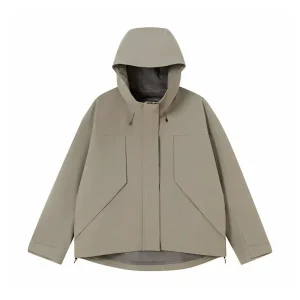
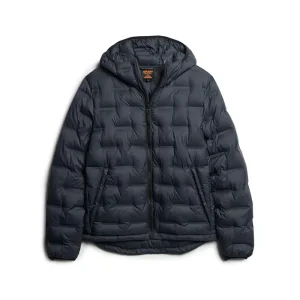
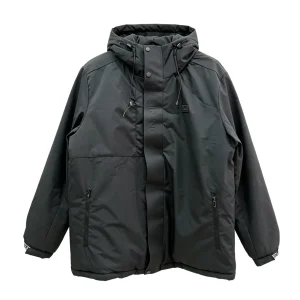
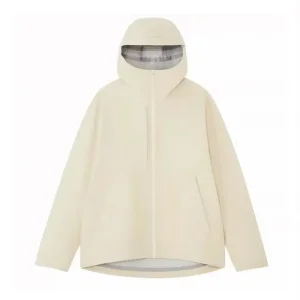
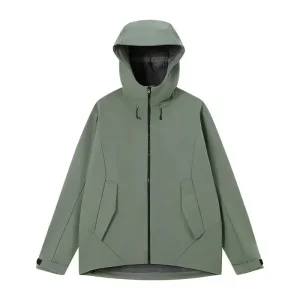
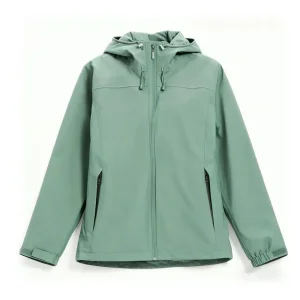
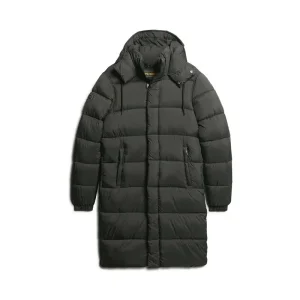
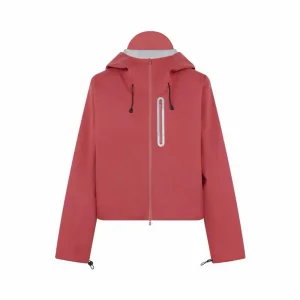
We eliminate every barrier between your Japan-based headquarters and our Chinese manufacturing floor. From Japanese anthropometric fit grading to Ministry of Economy, Trade and Industry (METI) paperwork, we provide complete compliance confidence.
Western size profiles fail in the Japanese market due to disproportionate sleeve lengths, shoulder widths, and collar heights. ZanQian maintains dedicated CAD grading blocks adapted to Japanese Body Dimension Standards (JIS L 4004 for men and JIS L 4005 for women), guaranteeing immediate consumer fit satisfaction.
Under Japan's Consumer Affairs Agency regulations, all imported apparel must bear permanent wash-care labels compliant with JIS L 0001 (harmonized with ISO 3758). We furnish complete Japanese bilingual satin or printed wash tags, complete with domestic importer attribution and statutory fiber composition declarations.
Under the Regional Comprehensive Economic Partnership (RCEP), trade between China and Japan benefits from progressive tariff reductions. Our export documentation team automatically provides official RCEP Certificates of Origin (Form RCEP), allowing Japanese importers to drastically lower landed duty costs.
Detailed technical answers addressing compliance, testing methodologies, production lead times, and customization protocols for corporate procurement officers and brand directors.
Whether you require an immediate technical sample dispatch, a detailed bill-of-materials quotation for your corporate workwear RFP, or a customized Japanese tech-pack review, our engineering team responds within 24 business hours.