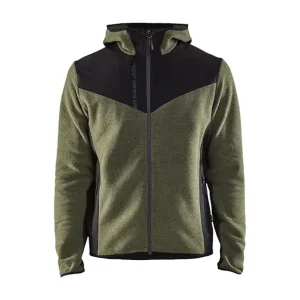
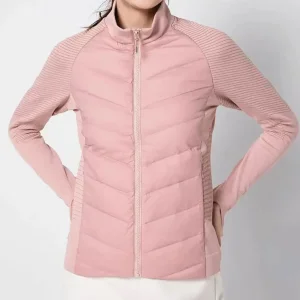
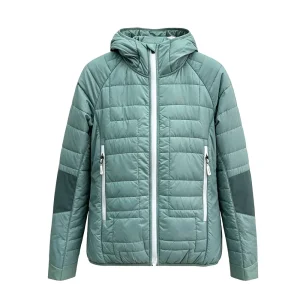
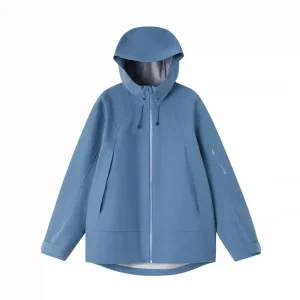
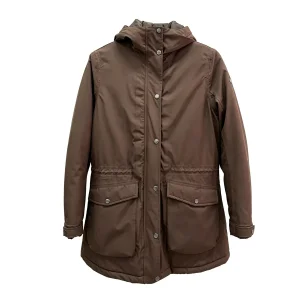
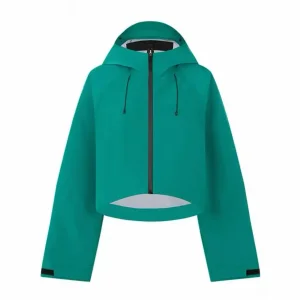
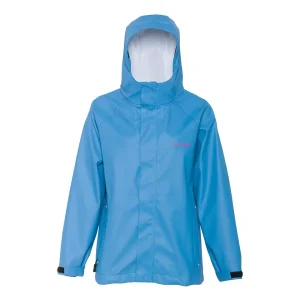
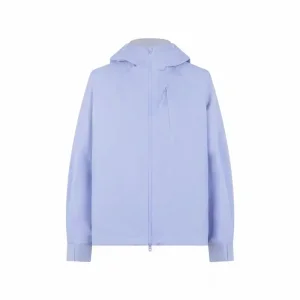
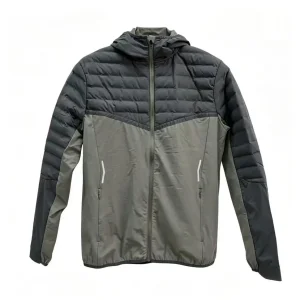
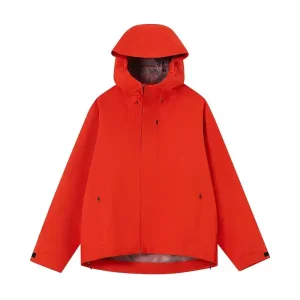
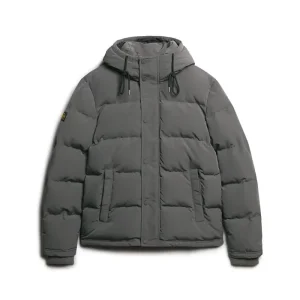
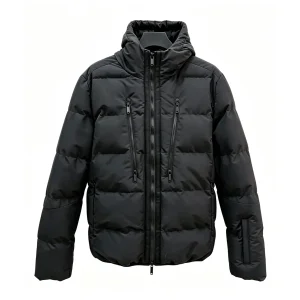
Engineered with composite softshell articulation, thermal core containment, and advanced moisture-wicking technology explicitly curated for institutional and operational procurement in Accra, Takoradi, and Kumasi.
Strategic analysis of dynamic equatorial micro-climates, industrial safety directives, and cold-chain/offshore specialized garment requirements in Ghana.
The industrial and corporate garment landscape in Ghana is experiencing structural evolution. With rapid industrialization around Greater Accra and the Western Region’s energy hub in Sekondi-Takoradi, organizational procurement directives are shifting from rudimentary basic uniforming toward ergonomic, multi-functional hybrid jackets. While the West African coastal climate presents ambient daytime temperatures between 26°C and 32°C with high relative humidity, modern infrastructure demands distinct operational apparel. Workers frequently transition between extreme refrigeration, air-conditioned corporate suites, deep offshore extraction platforms, and humid outdoor operational fields within a single working cycle.
Traditional heavy outerwear proves suffocating under tropical ambient humidity, leading to heat stress and productivity drops. Conversely, basic cotton shirts or plain fleece fail to protect technical crews from intense rainfall during the monsoonal belts (May–June and August–September), biting maritime winds offshore, and rapid thermal drops inside chilled warehousing centers. A hybrid garment configuration—fusing lightweight ripstop poly-membrane core insulation with elastane-blended, moisture-wicking fleece side and arm panels—represents the definitive technical answer to these complex operational variables.
Global multi-nationals and local procurement syndicates in Ghana are prioritizing ESG targets alongside cost control. This elevates requirements for recycled synthetic polyesters, PFC-free DWR water repellent finishes, and high-tenacity yarn weaving capable of withstanding rough mineral dust and repeated industrial laundering. Sourcing managers require supply chain partners who maintain full transparency over standard operating procedures, lean fabric matching, and systematic hydrostatic membrane testing prior to bulk dispatch to Tema Harbor.
Through our dedicated original design and equipment manufacturing (OEM/ODM) infrastructure in Quanzhou, ZanQian Garment delivers custom quotes and dedicated services specifically calibrated to Ghana's trade regulations. We optimize duty rates under the AfCFTA framework, enforce rigorous quality verification across seam-tape integrity, and construct functional jackets engineered to excel within complex West African supply chains.
Engineered technical features answering the structural challenges of tropical humidity, abrasion hazards, and logistics verification.
Zonal micro-porous membrane assemblies delivering up to 10,000 g/m²/24h breathability. Prevents interior condensation buildup inside humid operational zones across Ghana.
High-density mechanical ripstop facings engineered for mining support, telecommunications maintenance, and logistics distribution hubs throughout Kumasi and Takoradi.
Synthetic hollow-fiber fill strategically mapped to core organs, while 4-way stretch panels under arms maintain freedom of movement during heavy kinetic physical tasks.
A digitized, lean manufacturing workflow securing zero-defect batches and clear logistical clearance.
Comprehensive tech-pack evaluation, fabric GSM calibration, membrane specification, and volume-adjusted cost structures tailored to Ghana customs.
Rapid 7-day proto development, fit refinement, thermal mapping validation, and pre-production approval prior to mass fabric allocation.
Continuous inline quality monitoring across 6+ dedicated production lines with hydrostatic head verification and seam tension tests.
Sea/Air packing optimization, palletization, GSA compliance documentation, and dispatch to Tema Port or Kotoka International Airport.
Examine the full portfolio of OEM/ODM technical styles certified for commercial, industrial, and outdoor multi-scenario deployment.
Key information regarding technical garment performance, testing standards, and logistical fulfillment.
Our hybrid jackets use mapped micro-climatic zones. Breathable 4-way stretch panels are deployed in high-perspiration zones to prevent thermal entrapment, while waterproof-breathable membranes line core areas to deflect tropical rainstorms and cold air conditioning.
Prototype iteration requires 7 working days. Once confirmed, mass manufacturing takes 30 to 45 days depending on the volume. Ocean shipping from Quanzhou/Xiamen to Tema Port typically takes 30 to 38 days.
Yes. We offer silicon heat transfers, high-tenacity embroidery, reflective safety tape integration, and custom woven label placement engineered to resist heavy industrial wash cycles without peeling or fading.
All fabrics and completed garments can be certified with comprehensive third-party lab documentation covering hydrostatic pressure, colorfastness, and tensile strength to clear Ghana Standards Authority and customs regulations smoothly.
Submit your tech packs, target fabric weight, and volume needs. Our technical merchandising team will provide full fabric matching, standard test results, and direct CIF Tema estimates.
Send Inquiry Now