Pre-qualified performance apparel optimized for the wet Parisian winter seasons, metropolitan active commuting, and technical Alpine weekend retail collections.
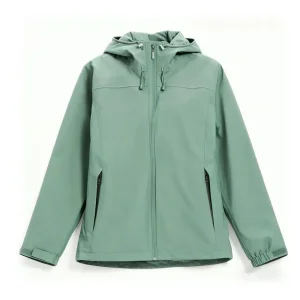
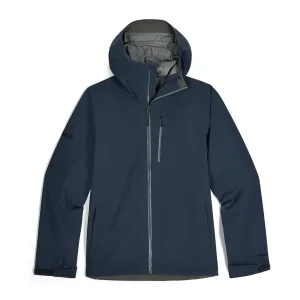
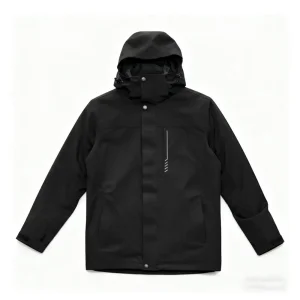
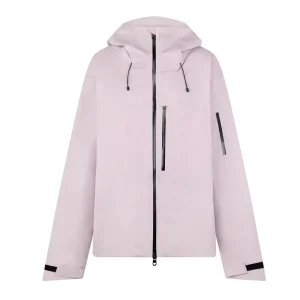
A rigorous industrial perspective on the retail evolution, regulatory mandates, and consumer demographics governing technical outerwear across Île-de-France.
Paris is not merely a center of haute couture; it has evolved into the European epicenter for technical "Gorpcore" aesthetics. Leading multi-brand retailers along Boulevard Saint-Germain, Rue de Rivoli, and the Le Marais district demand outdoor shells and modular trekking trousers that merge 20,000mm hydrostatic water resistance with minimalist Parisian tailoring suitable for boutique distribution.
Importing into France requires strict adherence to the Anti-Waste for a Circular Economy Act (Loi AGEC), demanding environmental labeling, traceability of supply chains, and mandatory microplastic disclosure. Furthermore, Parisian buyers enforce PFC-Free Durable Water Repellency (C0 DWR) and OEKO-TEX Standard 100 compliance to eliminate per- and polyfluoroalkyl substances.
With Paris’s progressive transformation under the Plan Vélo, urban bike commuting across the Seine corridors has driven unprecedented demand for high-breathability (RET < 6) hiking shells and articulated trekking pants. B2B buyers require weather protection capable of handling Atlantic drizzle alongside reflective safety integration that blends into corporate offices.
French Outdoor Apparel Market Valuation
Baseline Hydrostatic Head for Paris Winter Storms
Mandatory Non-Fluorinated C0 DWR Formulations
Extreme Breathability for Urban Multi-Modal Transit
From bio-derived monolithic membranes to seamless heat-pressed chamber construction, explore the mechanical and material shifts transforming outdoor performance gear.
Traditional expanded polytetrafluoroethylene (ePTFE) laminates are rapidly being replaced by bio-based thermoplastic polyurethane (TPU) and recycled polyester (rPET) hydrophilic membranes. The objective is circularity: creating 100% monomaterial technical garments where the face fabric, protective membrane, tricot backing, sewing thread, and edge tapes can be re-granulated at end-of-life without chemical de-bonding.
Stitching creates needle holes that compromise windproof integrity and hydrostatic performance. Smart outerwear manufacturing now leverages ultrasonic cutting and high-frequency bonding machines. For hiking trousers, mechanical 4-way stretch fabrics combined with pre-curved 3D knee patterns and reinforced Cordura® scuff guards ensure absolute mobility during alpine ascents or suburban trail running.
A reference benchmark outlining laboratory validation requirements, testing protocols, and compliance thresholds mandatory for technical apparel imports into the EU market.
| Performance Metric | Standard Test Method | Baseline Requirement (Paris City) | Alpine / Expedition Tier |
|---|---|---|---|
| Waterproofness (Hydrostatic Head) | ISO 811 / AATCC 127 | 10,000 mm H₂O | 20,000 mm - 28,000 mm H₂O |
| Breathability (RET Value) | ISO 11092 (Sweating Guarded Hotplate) | RET 6 to 12 (Breathable) | RET < 4 (Extremely Breathable) |
| Abrasion Resistance (Trousers) | ISO 12947-2 (Martindale Test) | 20,000 Rubbing Cycles | 50,000+ Cycles (Cordura® Reinforcement) |
| Colorfastness to Washing & Light | ISO 105-C06 / ISO 105-B02 | Grade 4.0 Minimum | Grade 4.5+ High-UV Stability |
| Seam Strength & Delamination | ISO 13935-2 / ASTM D751 | > 250 N Tensile Strength | > 450 N Ultrasonic Reinforced |
| Water Repellency Spray Rating | ISO 4920 (Bundesmann / Spray Test) | 90 Points (After 10 Washes) | 95 Points (After 30 Washes, C0 DWR) |
How digitalized production ecosystems, robotic precision, and localized material clusters in Quanzhou deliver unmatched speed-to-market and quality consistency for French apparel brands.
Situated in Quanzhou, Fujian—China’s premier functional outerwear manufacturing hub—our production facility operates within an instantaneous supply chain corridor. Premium 3-layer laminates, waterproof zipper hardware (YKK / SBS), seam tapes, and technical trims are sourced within a 50-kilometer radius, drastically reducing component lead times for Paris purchase orders.
We eliminate weeks of international physical sampling through advanced CLO3D virtual garment modeling. French corporate clients can verify French-standard sizing, drape, and seam placement digitally. Physical proto-samples are output using automated CNC laser-cutters and computer-controlled pattern sewing machines, ensuring millimeter precision.
Every fabric lot undergoes rigorous batch testing in our in-house ISO-certified physical lab before entering the cutting room. Hydrostatic pressure towers, Martindale abrasion wheels, washing shrinkage ovens, and peel-adhesion gauges guarantee that all hiking shells and pants shipped to Le Havre or Charles de Gaulle airport meet zero-defect tolerances.
Engineered to adapt across microclimates, urban commute realities, and French mountaineering lifestyles.
Navigating the Pont Neuf or waiting for the RER at Gare de Lyon during autumn downpours requires windproof, water-shedding performance without internal moisture buildup. Our lightweight commuter shells feature subtle matte finishes, stealth reflective piping, and internal device pockets with magnetic storm flaps tailored for urban executives.
Located just south of Paris, the Forest of Fontainebleau demands hiking pants engineered with extreme mechanical abrasion resistance. Built with Cordura®-blended stretch ripstop, reinforced seating panels, and ergonomic diamond gussets, these trousers withstand intense friction against rough sandstone boulders.
Paris outdoor retailers cater heavily to domestic travelers boarding the TGV to Chamonix, Grenoble, or Annecy. Our 3-in-1 hybrid jackets combine fully taped, waterproof storm shells with zip-in synthetic or down thermal mid-layers, providing seamless adaptability from low-elevation Parisian drizzle to sub-zero alpine blizzards.
Actionable answers addressing trade compliance, customs documentation, testing standards, and OEM/ODM operational frameworks.
Technical outerwear imported into France through customs ports such as Le Havre or Roissy Charles de Gaulle is classified under EU TARIC codes: 6201.93.00 (Men's woven technical jackets of man-made fibers), 6202.93.00 (Women's woven jackets), and 6203.43.19 / 6204.63.18 (Trekking trousers of synthetic fibers). The standard third-country customs duty rate for synthetic outerwear is 12%. Our commercial invoicing and packing documentation comply with EU Single Administrative Document (SAD) requirements to ensure swift customs clearance.
We supply complete material traceability dossiers for every production run, including Certificates of Origin, GRS (Global Recycled Standard) transaction certificates for recycled polyester/nylon, and lab-certified breakdowns of synthetic fiber percentages. We assist Paris brands in structuring the legally required environmental impact data sheets, microplastic shedding metrics, and recyclability scores necessary for consumer-facing packaging and digital e-commerce compliance.
Our standard production MOQ is 500 to 800 pieces per style, which can be split across 2 to 3 colorways to accommodate private label retail assortments. Prototype development takes 7 to 10 working days following tech pack confirmation. Bulk manufacturing typically requires 45 to 60 days following pre-production sample (PPS) sign-off, supported by real-time digital MES tracking visible to your sourcing team.
Yes. French and Western European grading profiles differ markedly from Asian or North American sizing, requiring slimmer leg silhouettes, specific inseam ratios, and tapered calf designs for cycling or bouldering. Our pattern engineering team develops custom grading rules adhering to AFNOR (Association Française de Normalisation) anthropometric tables to eliminate fitting returns in Paris retail channels.
Absolutely. In strict compliance with EU REACH restrictions and French consumer protection guidelines, 100% of our water-repellent shells are treated with C0 (PFC-Free) Durable Water Repellent (DWR) chemistries based on modified silicones or dendrimers. These formulations achieve initial spray ratings of 95+ (ISO 4920) while sustaining grade 80+ performance after 20 standard commercial wash cycles.
We implement a 4-tier Quality Assurance protocol aligned with AQL 1.5 / 2.5 standards: incoming raw fabric inspection using 4-point system checking; in-line semi-finished seam sealing peel checks; 100% pneumatic pressure testing on waterproof shell seams; and final carton packaging audits inspecting barcode labels, polybags, hangtags, and carton burst strength.
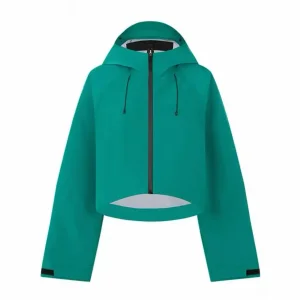
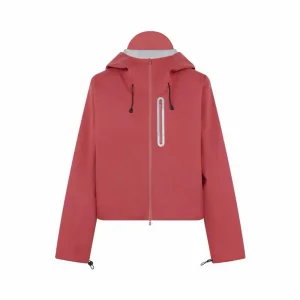
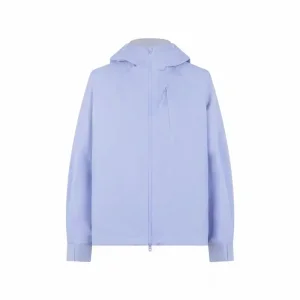
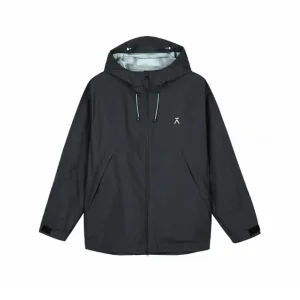
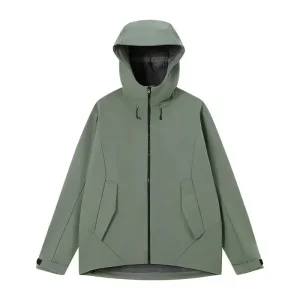
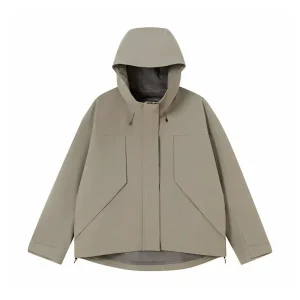
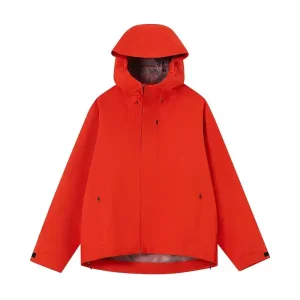
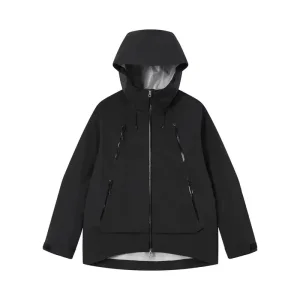
Explore our extended series of multi-functional technical jackets, commuter garments, and alpine trekking models engineered with advanced lamination and seam technologies.
Connect directly with our senior merchandising engineers. Receive tailored fabric swatch cards, custom tech-pack evaluations, and transparent factory direct quotations within 24 business hours.
