Engineered for technical trekking across the Okutama and Tanzawa ridges, tailored for minimalist Harajuku & Ginza urban performance wear.
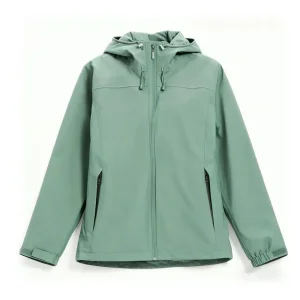
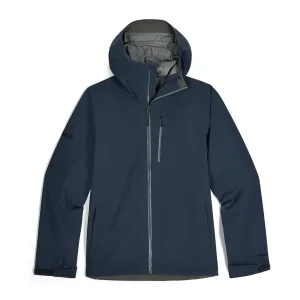
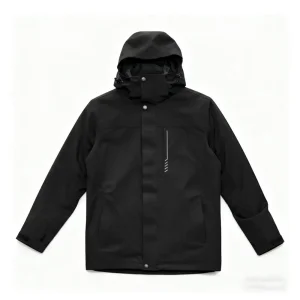
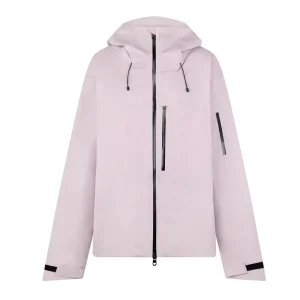
The outdoor apparel landscape serving the Greater Tokyo Area is distinguished by a standard unmatched in general global trade. Tokyo is not solely Japan's commercial epicenter; it is a trendsetting laboratory for the international "Urban Outdoor" and "Gorpcore" phenomena. Consumers moving through major transport arteries—from Shinjuku Station and Shibuya to the trailheads of Mount Takao (Takaosan), Okutama, and the Tanzawa mountain range—demand technical outerwear that transitions seamlessly between microclimatic weather protection and clean, architectural minimalism.
In Tokyo's competitive retail landscape, dominated by demanding multi-brand distributors, flagship outposts in Harajuku, and specialized department store corners in Ginza, outdoor apparel is scrutinized under strict technical and sensory criteria. A jacket cannot merely offer rudimentary waterproof characteristics; it must demonstrate exceptional tactile drape, zero noisiness under movement, micro-taped seam execution, and uncompromised compliance with Japanese Industrial Standards (JIS). For global brands and domestic Japanese labels contracting OEM/ODM manufacturing partnerships, success depends on partnering with specialized Chinese garment facilities equipped with modern laminating, bonding, and digital quality monitoring systems.
Tokyo outdoor buyers prioritize articulated tailoring over bulky silhouettes. 3D ergonomic sleeves, gusseted underarms, and subtle tonal palettes (charcoal, sage, bone, deep navy) dominate the market over garish color blocking.
Procurement teams require rigorous adherence to JIS L 1092 (waterproof hydrostatic testing) and JIS L 1099 (water vapor permeability). Products must withstand severe test parameters while maintaining high tear strength along mechanical stretch axes.
Driven by strict corporate social responsibility goals and eco-conscious Tokyo consumers, brand procurement now requires non-fluorinated C0 DWR coatings, recycled nylon/polyester yarns (GRS certified), and mono-material construction.
Historically, garment production leveraged Chinese factories primarily for raw labor cost arbitrage. Today, in the realm of 3-layer laminated hardshells, lightweight waterproof-breathable hybrid parkas, and articulated trekking trousers, Fujian (specifically Quanzhou) offers an advanced manufacturing ecosystem characterized by high integration and technical sophistication. This gives Tokyo-focused brands distinct competitive advantages:
Comprehensive baseline testing criteria applied during OEM/ODM batch validation for performance garments entering the Japanese market.
| Performance Dimension | Test Standard (Japan / International) | Target Specification (Tokyo Tier-1 Standard) | Technical Impact & Field Relevance |
|---|---|---|---|
| Hydrostatic Water Column | JIS L 1092 Method B (High Pressure) | 20,000mm H2O to 30,000mm H2O | Guarantees complete impermeability under driving rain in mountainous environments and extended commuter exposure. |
| Moisture Vapor Transmission (MVTR) | JIS L 1099 Method B-1 (Potassium Acetate) | 15,000 to 25,000 g/m²/24h | Prevents condensation inside the garment during high-intensity trail ascent and humid train transits. |
| Durable Water Repellency (DWR) | JIS L 1092 Spray Test (Pre/Post Wash) | Initial Level 4-5; Level 4 after 20 wash cycles | Fluorine-free (C0) eco-friendly formulation preventing water-logging of the face fabric without harmful fluorocarbons. |
| Seam Peeling & Tape Adhesion | JIS L 1089 / ASTM D751 | > 25 N / 25mm seam bond strength | Ultrasonic weld or heat-seal stability preventing seam-tape breakdown after prolonged exposure to humidity and sweat. |
| Fabric Tear Resistance (Pants) | JIS L 1096 Pendulum / Trapezoid Method | Warp > 35N, Weft > 30N (40D-70D Cordura Ripstop) | Protects knees and seat panels against abrasions from rocks, brush, and high-frequency daily friction. |
Outdoor apparel designed for the Tokyo market addresses a distinct combination of lifestyle and geographic requirements:
1. Mount Takao & Mount Mitake Day-Treks: Located under an hour by train from Shinjuku, these terrain paths see hundreds of thousands of hikers annually. Garments require lightweight, packable constructions that can be stowed into 20L daypacks and deployed rapidly when elevation brings sudden temperature drops and rain.
2. The Oze National Park Wet-Plateau Trekking: High-altitude wetlands require hiking pants with mechanical 4-way stretch, water-shedding cuffs, and articulated knee zones that accommodate wooden boardwalk travel without restricting stride.
3. The Tokyo Central Rainy-Season Commute (Tsuyu): Between early June and mid-July, urban humidity paired with continuous downpours creates a difficult environment for standard rainwear. Premium 3-layer bonded jackets featuring underarm pit zips, whisper-quiet face fabrics, and matte finishes keep corporate commuters dry without looking out of place in Marunouchi boardrooms.
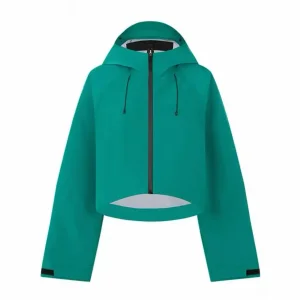
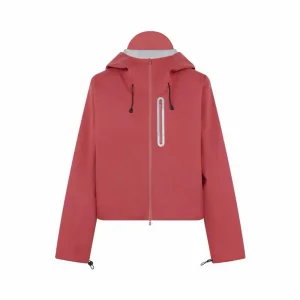
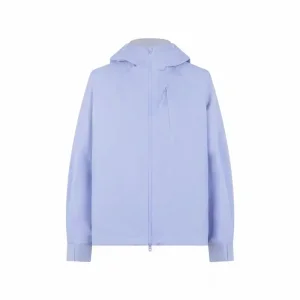
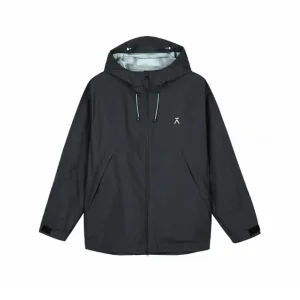
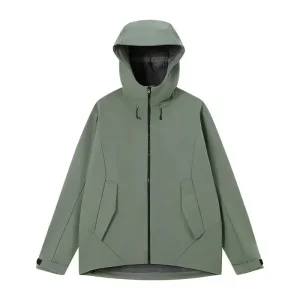
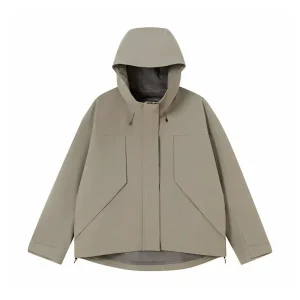
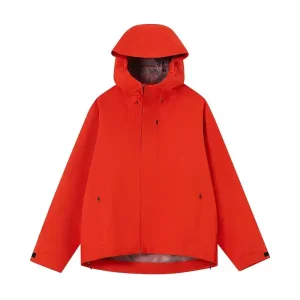
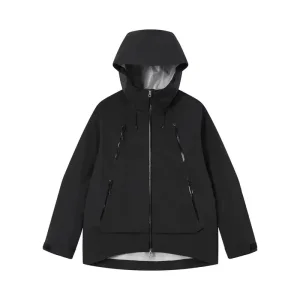
Direct factory manufacturing solutions covering extreme mountaineering, urban cycling shells, lightweight windbreakers, and heavy-duty trekking pants.
Procurement executives managing outdoor collections face complex challenges: escalating raw material volatility, strict ESG and decarbonization regulations across G7 economies, and narrow seasonal delivery windows. Working with a modern manufacturing partner requires evaluating systemic quality control, lab infrastructure, and digital workflow tracking rather than relying on piece-rate pricing alone.
Our Quanzhou manufacturing center operates a comprehensive quality verification protocol designed to prevent downstream defects before fabric rolls are cut:
A frequent error by Western brands entering the Tokyo retail space is importing US/European size blocks directly into the Japanese domestic market. Standard Western designs often have longer sleeve lengths, broader shoulder spans, and excessively deep chest depths that do not align with Japanese consumer preferences. Our in-house R&D sample center incorporates calibrated Asian anthropometric sizing blocks:
Addressing core technical, logistical, compliance, and minimum order requirements for international apparel buyers.
For custom ODM styles using our curated in-stock functional fabrics, our MOQ begins at 500 to 800 pieces per style across 2-3 colorways. For bespoke mill-run custom dyeing or proprietary laminate membrane engineering, standard MOQs are typically 1,000 to 1,500 pieces, depending on the minimum yarn run of the selected face textile.
Yes. We routinely coordinate with independent testing authorities (Boken, Kaken, SGS, and Intertek) to validate compliance with JIS L 1092 (Waterproofing), JIS L 1099 (Breathability), and JIS L 1041 (Formaldehyde limits), ensuring smooth import clearance and seamless onboarding by Japanese department stores and retail chains.
Prototype patterns and first fitting samples are delivered within 7 to 10 working days. Following pre-production sample (PPS) sign-off, bulk production runs require 45 to 60 days. Urgent replenishment or capsule line runs using factory-reserved base fabrics can be completed within 30 to 35 days.
Our manufacturing facilities comply with OEKO-TEX Standard 100 (Class 1 & 2), maintain Global Recycled Standard (GRS) supply chain traceability, and operate in compliance with amfori BSCI and SMETA social audit benchmarks. We specialize in non-fluorinated C0 DWR applications and recycled nylon circular blends.
