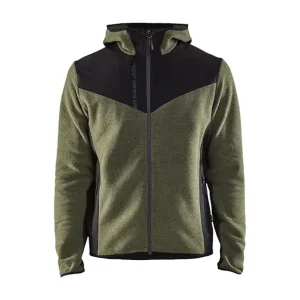
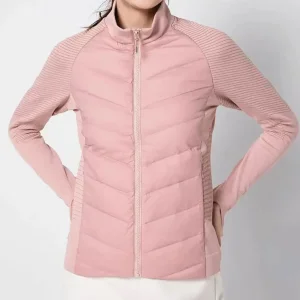
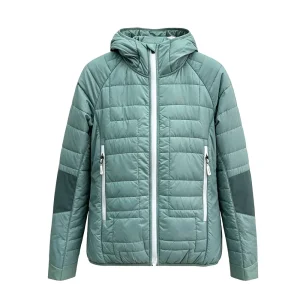
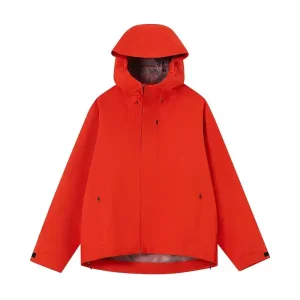
Engineered body-mapping apparel integrating thermal core zones with high-mobility stretch membranes for cross-sector operations.
Analyzing the functional convergence of corporate identity, industrial workwear, and climatic adaptation in sub-Saharan Africa’s largest commercial hub.
Nigeria represents one of the most dynamic business ecosystems in Africa, characterized by aggressive industrial growth across Lagos, Port Harcourt, Abuja, and the Lekki Free Trade Zone. While conventionally classified as an equatorial environment, the functional requirements for technical outerwear have surged remarkably. Operating across Nigeria demands garments that bridge severe microclimates: from intense offshore humidity in the Niger Delta and morning cold fronts in the Jos Plateau, to pervasive Harmattan winds laden with silica dust, and high-chill centralized corporate headquarters in Victoria Island.
Historically, enterprises relied on heavy cotton drill garments or basic polyester fleeces that failed rapidly due to thermal stress and inadequate moisture ventilation. A **hybrid jacket**—combining windproof, light-insulated core panels with moisture-wicking, flexible bonded sleeves—addresses this technical gap. multinational engineering consortia, aviation security personnel, oil and gas operators, and telecommunications field operations now require hybrid constructions that deliver wind blocking, UV refraction, high breathability, and dignified corporate styling without inducing heat trapping.
Procurement managers managing capital expenditure projects in Nigeria face rigorous hurdles concerning regulatory compliance and quality verification. Garments entering the Nigerian market must strictly satisfy the requirements established by the **Standards Organisation of Nigeria Conformity Assessment Program (SONCAP)**. Imported technical fabrics must pass verifiable flammability parameters, azo-dye bans, colorfastness standards under high UV indices, and seam tensile strength metrics.
Without verified OEM technical documentation, shipments risk costly demurrage at ports like Apapa and Onne. ZanQian bridges this operational friction through certified production protocols, generating verified batch-level test certificates covering seam-tape adhesion, hydrostatic water column integrity, tear resistance, and fabric color retention through repeat commercial laundries.
| Performance Attribute | Traditional Cotton/Poly Workwear | Standard Softshell | ZanQian Engineered Hybrid Construction |
|---|---|---|---|
| Thermal Regulation | Poor (traps sweat, excessive thermal load) | Moderate (lacks active breathing zones) | Optimal: Zoned insulated chest + breathable poly-spandex lateral panels |
| Harmattan Dust Resistance | Low (dust embeds into unbonded fibers) | Medium (clogs membrane pores) | High: DWR micro-ripstop shell with electrostatic repellent finish |
| Mobility & Articulation | Rigid; restricts overhead arm movement | Moderate elasticity | Unrestricted: 4-way stretch raglan sleeves with ergonomic patterning |
| Port & Customs Cleared | Inconsistent paperwork trail | Standard documentation | Certified: SONCAP, ISO9001, Oeko-Tex Standard 100, full tech packs |
Harnessing China’s premier performance apparel hub to deliver direct-from-source precision, certified scalability, and optimized cost structures for global partners.
Every hybrid jacket program is generated through computerized CAD system nesting, optimizing dynamic seam stress distribution and cutting yields to minimize material waste.
Located in the heart of Fujian’s textile industrial belt, ZanQian secures Tier-1 functional laminates, synthetic down insulations, and SBS/YKK specialized zips at direct mill pricing.
Decades of bulk export know-how allow streamlined freight planning from Xiamen and Quanzhou seaports directly to Tin Can Island, Apapa, and Port Harcourt terminals.
How multi-sector industrial players deploy ZanQian hybrid outerwear for tangible functional dividends.
Operations in Bonny Island, Escravos, and coastal rigs demand protection against salt-laden sea air, sudden rainstorms, and early-morning chill without restricting climbing harness fit.
Cold chain facilities in Ikeja and cargo distribution hubs require warehouse crews to cycle continuously between sub-zero refrigerated chambers and ambient tropical heat.
Nigeria's commercial banking, fintech, and telecommunications sectors require elevated, polished executive garments for inter-state transit, flight cabins, and branded team representation.
A rigorous step-by-step engineering roadmap for procurement officers, uniform contractors, and brand distributors.
| Phase | Key Deliverables | Engineering Responsibility | Buyer Checkpoint |
|---|---|---|---|
| 01. Tech Pack Assessment | CAD drawing, fabric GSM selection, trim specifications | ZanQian R&D Patterning Team | Approve target weight and colorway reference |
| 02. Proto Sampling | Physical sample garment in 7–10 working days | Sample Development Department | Verify dimensional fit, mobility, and tactile finish |
| 03. Lab Testing Audit | Hydrostatic pressure, colorfastness, seam strength reports | In-House Quality Control Lab | Receive third-party lab documentation (SGS/ITS matching) |
| 04. Mass Production | Automated cutting, laser quilting, in-line inspections | 6 Dedicated Production Lines (150+ workers) | Weekly photo/video audit reports from production floor |
| 05. Export & Clearance | Commercial packing, SONCAP prep, bill of lading dispatch | International Shipping Logistics Dept | Final release approval & customs port handoff |
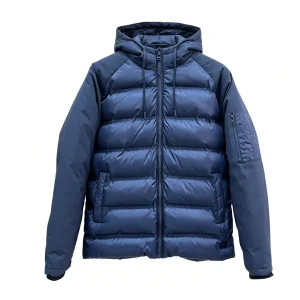
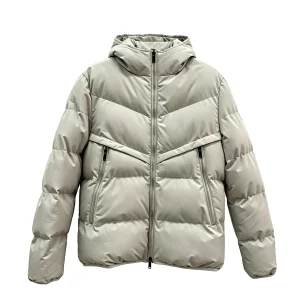
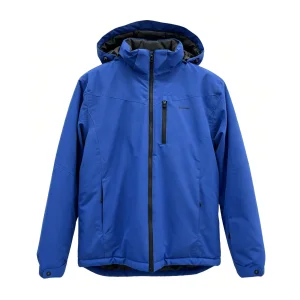
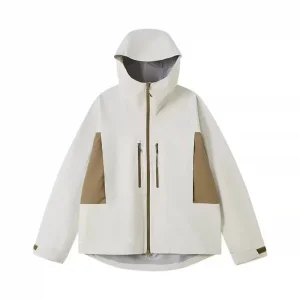
Explore our complete manufacturing spectrum of modular hybrid, insulated, windproof, and rainy-season technical jackets.
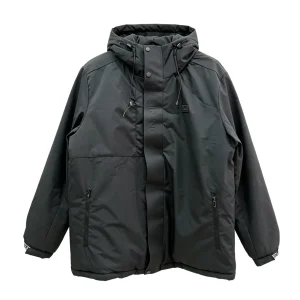
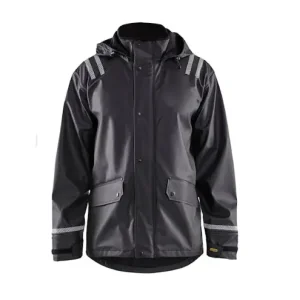
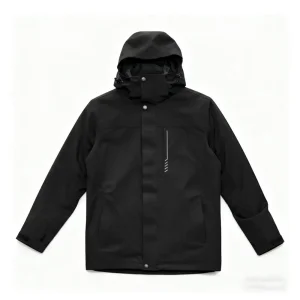
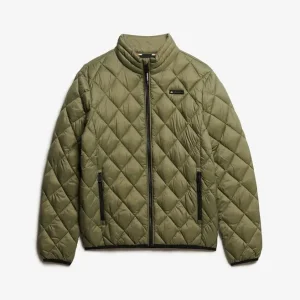
Essential guidance covering Minimum Order Quantities (MOQs), technical customizations, logistics, and compliance.
Nigeria’s tropical wet-and-dry climate features high humidity, intense sunlight, and dusty harmattan winds. A hybrid jacket uses body-mapped construction: lightweight synthetic insulation on the chest and back to protect internal organs in air-conditioned environments or chilly early mornings, combined with stretch-breathable fabric under the arms and along the flanks to shed heat rapidly and allow natural sweat dissipation.
Our baseline Minimum Order Quantity (MOQ) for fully customized OEM hybrid jackets is typically 800 to 1,000 pieces per style across balanced size curves (S to 5XL). For corporate test runs or rapid ODM orders using ready-stock fabrics, smaller volume tiers can be accommodated upon project consultation.
We supply complete laboratory technical dossiers, material safety data sheets (MSDS), factory ISO 9001 compliance credentials, and batch test reports. We coordinate seamlessly with authorized inspection agencies (such as SGS, Intertek, or Cotecna) to issue the required Product Certificate (PC) and SONCAP Certificate (SC) prior to dispatch.
Yes. We offer EN ISO 20471 and ANSI/ISEA compliant reflective heat-transfer tapes, flame-retardant (FR) shell finishes, anti-static carbon filaments within the fleece lining, and water-repellent DWR coatings specifically designed for oil, gas, and infrastructure operations.
Counter-sample creation requires 7 to 10 days upon tech pack receipt. Bulk industrial manufacturing typically completes within 35 to 45 days. Ocean transit from Quanzhou/Xiamen ports to Apapa or Tin Can Island generally takes 30 to 40 days, while priority air courier delivery completes within 5 to 8 business days.
Absolutely. We build custom-graded size specs tailored specifically to broader shoulder, chest, and sleeve profiles suited for the West African demographic. We also engineer custom branded woven labels, rubber silicone badges, hangtags, and biodegradable polybags per your brand guidelines.
Whether you are equipping a multi-national engineering fleet across Nigeria or launching a high-performance technical apparel label in West Africa, ZanQian Garment delivers verified Tier-1 manufacturing excellence.
Send Inquiry Now