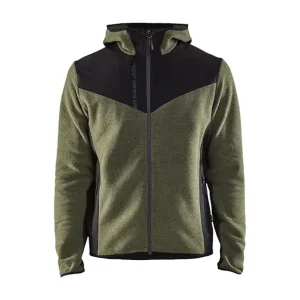
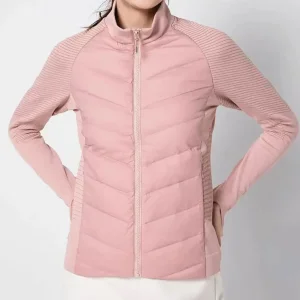
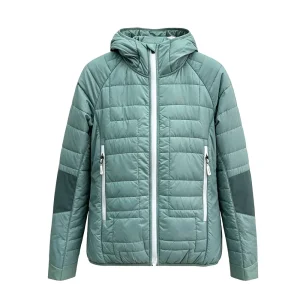
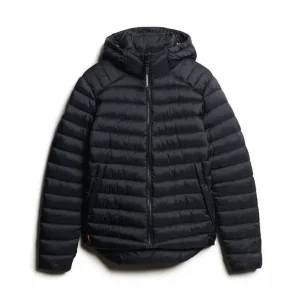
Engineered for high mobility and variable monsoon conditions, pairing synthetic thermal insulation with ergonomic 4-way stretch shells.
Analyzing Northern Vietnam's transition into an advanced performance apparel sourcing and consumer hub.
Unlike Southern Vietnam's consistent tropical heat, Hanoi experiences sharp winter cold fronts (Northeast Monsoon) accompanied by high relative humidity (drizzling nồm conditions). Conventional heavy puffers cause moisture condensation internally, making high-breathability hybrid jackets—marrying hydrophilic membrane shells with fast-drying synthetic fleece flanks—the premier technical apparel standard for urban and industrial fleets.
Hanoi functions as the critical clearing and command node for the industrial belts of Bac Ninh, Hai Phong, and Vinh Phuc. Supplying performance hybrid uniforms and retail lines requires seamless multi-modal logistics linking cross-border material inputs from high-tier synthetic fabric mills with local terminal assembly and bonded distribution hubs.
Logistics operators, ride-hailing networks, and high-tech facility engineers across Greater Hanoi require technical garments capable of transitioning seamlessly between air-conditioned sorting centers, outdoor motorcycle transport, and manufacturing cleanrooms without restricting mobility or compromising weather resistance.
Standard down apparel collapses under Hanoi's damp winters. Our engineering teams apply precision zoning matrices that maintain thermal clo values regardless of moisture.
| Functional Zone | Material Engineering | Thermal / Mechanical Objective | Compliance & Verification |
|---|---|---|---|
| Core Front & Back Panels | 20D/400T Micro-Ripstop Nylon with PFC-Free DWR + 100gsm Recycled Thermolite/Primaloft Synthetic Fill | Wind-blocking, 1.8 Clo core insulation, down-proof baffle barrier avoiding moisture clumps in high humidity. | AATCC 22 (Water Repellency Score > 90), ISO 11092 Thermal Resistance. |
| Flanks & Underarm Panels | 280gsm 4-Way Stretch Grid Fleece (92% Polyester, 8% Spandex) with Hydrophilic Wicking | Immediate vapor egress, hyper-flexibility during scooter operation or industrial loading, thermal breathability. | ASTM D5034 Tensile Strength, ISO 6330 Colorfastness to Repeated Washing. |
| Shoulders & Outer Sleeves | 3-Layer Laminated Softshell with 10,000mm/10,000g/m²/24hr Microporous TPU Membrane | Abrasion resistance against backpack straps, drizzle resistance against sudden Northern winter monsoons. | JIS L 1092B Hydrostatic Pressure, JIS L 1099B1 Inverted Cup Breathability. |
| Hardware & Seams | YKK AquaGuard Reverse-Coil Zips, Laser-cut Bar-tacks, Bonded Ultrasonic Seaming | Elimination of cold-bridge stitching holes, water-sealed pocketing protecting mobile devices and documentation. | EN 16732 Slide Fastener Durability, 5000+ Cycles Flex Stress Testing. |
How technical hybrid jackets bridge corporate utility, retail consumer lines, and regional regulatory compliance.
Supplying garments into Hanoi and exporting through Hai Phong Port mandates adherence to both Vietnam’s strict formaldehyde and azo dye limits (Circular No. 21/2017/TT-BCT) and international standards such as OEKO-TEX Standard 100, bluesign®, and GRS (Global Recycled Standard). Our vertically managed manufacturing loop implements total chemical traceability across dyestuffs, DWR coatings, and recycled fleece substrates.
Hanoi’s booming e-commerce hubs around Long Bien and Gia Lam involve workers loading ambient humidity warehouses and driving bikes across the Red River bridges in temperatures dropping below 10°C. Our windproof front-core baffles block frontal windchill up to 50 km/h, while lateral ventilation panels prevent overheating during cargo handling.
Northern Vietnam’s adventure corridor—from Hanoi weekend hikers venturing to Ba Vi and Tam Dao to alpine trekkers in Sa Pa and Ha Giang—has fueled double-digit retail growth for lightweight, packable hybrid outer layers. Brands leverage our ODM platform to incorporate localized sizing (Asian fit ergonomic silhouettes) with modern minimalist silhouettes.
With RCEP (Regional Comprehensive Economic Partnership) rules of origin and EVFTA duty frameworks actively transforming sourcing decisions, ZanQian's integrated multi-line platform enables streamlined regional supply loops. Sourcing teams gain transparent audit packages, rapid prototype turnaround within 7 days, and scalable batch deliveries directly into Northern Vietnam distribution channels.
Explore specialized technical garments designed for urban commuters, industrial crews, and premium performance private labels.
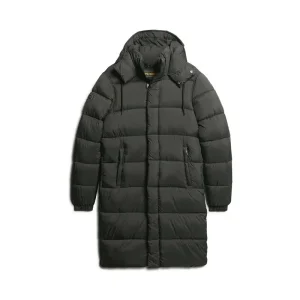
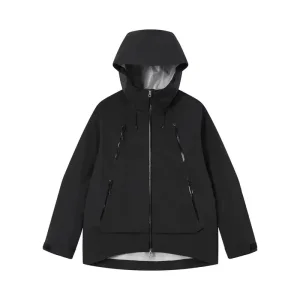
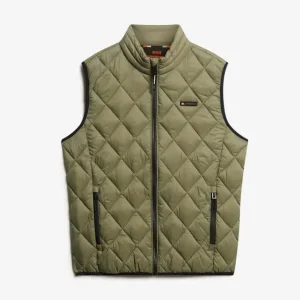
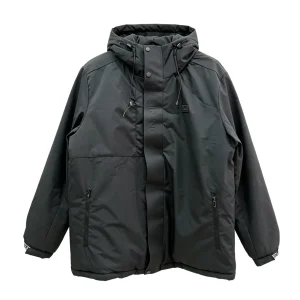
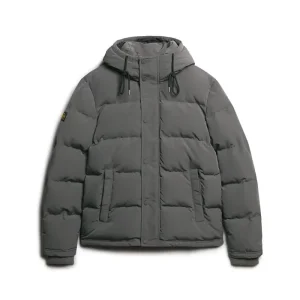
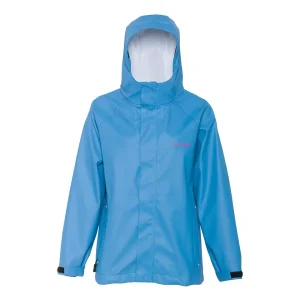
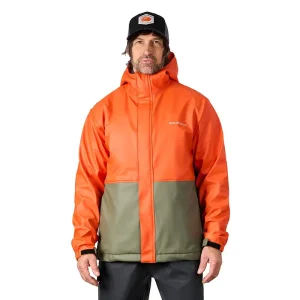
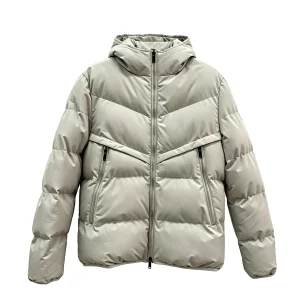
Anticipating environmental, thermal, and smart performance standards for 2026 and beyond.
Integrating ultra-thin, washable carbon-fiber heating grids powered by 5V USB/7.4V battery architectures directly within hybrid chest baffles. This allows users in high-humidity chill conditions to toggle warmth levels electronically, bypassing bulky insulation entirely while keeping garment total weight under 450 grams.
Pre-adapting technical garments to meet EU and international traceability mandates. Each hybrid jacket can feature an encapsulated QR or NFC chip delivering immutable supply chain data—fiber provenance, chemical audit logs, repair guidelines, and automated post-consumer recycling routing.
Traditional hybrid jackets pose recycling hurdles due to blended elastane and nylon-polyester unions. The future lies in 100% circular PET engineering: mechanical-stretch woven polyester face fabrics fused to recycled micro-denier fleece backs and mono-material recycled polyester zips for closed-loop remanufacturing.
Key operational clarifications for brand sourcing managers, commercial distributors, and technical apparel developers.
Northern Vietnam’s damp winters create rapid vapor condensation inside traditional non-permeable softshells during active commuting or labor. Hybrid construction combines windproof padded chest zones to deflect chilling monsoon gusts with highly breathable, moisture-wicking fleece side panels that exhaust excess core heat immediately.
Our standard production runs begin at 500 to 800 pieces per style/colorway for fully bespoke designs with customized pantone trims and membranes. For catalog-adapted ODM collections utilizing stock technical fabrics, scalable minimum batches can be scheduled to support pilot market entries and commercial field testing.
Clients share tech packs, CAD sketches, or reference physical items. Our technical pattern makers engineer digital 3D models and sew physical prototypes within 5–7 business days. Samples undergo in-house hydrostatic, pull-strength, and wash durability tests before priority express courier shipment directly to Hanoi commercial offices.
Yes. Every batch of fabric, membrane, and zipper is verified against the EU REACH candidate list, OEKO-TEX Standard 100 Class II criteria, and Vietnamese national regulations regarding azo dyes and formaldehyde content. Third-party testing reports from SGS, Intertek, or TÜV are available for every major manufacturing delivery.
Accelerate your product development cycle with reliable production lines, proven high-volume capacity, and engineered technical outerwear built for international standards.
Send Inquiry Now