
Montevideo Mid-Layer
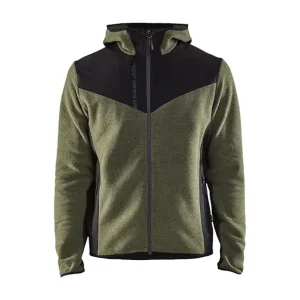
Uruguay Urban Fleece: OEM Knitted Fleece Jacket MOD02112 Pricelist
- Anti-Pilling Knit
- Thermal Core
- Breathable 5,000 MVP
From the humid coastal breezes of Montevideo and Punta del Este to the interior agricultural plains, discover high-performance jackets configured for versatile thermal and weatherproof protection.
Understanding how Uruguay's unique geography, macroeconomic stability, free port regimes, and diverse commercial activities shape functional jacket sourcing.
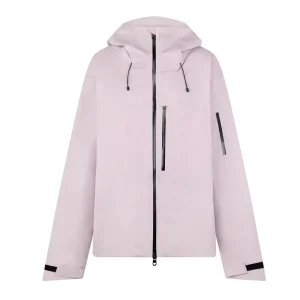
Uruguay is characterized by a humid subtropical and oceanic climate. Winters (June to August) bring sharp oceanic chills exacerbated by high relative humidity (averaging 75-85%) and the violent Sudestada or Pampero winds sweeping across the Río de la Plata. Conventional single-layer cotton coats saturate immediately; the market demands windproof membrane-backed softshells, 2.5-layer hydrostatic shells, and water-resistant chevron down-fill coats.
The Port of Montevideo functions as the premier multimodal logistics gateway for the Southern Cone (Argentina, Paraguay, southern Brazil). Free Trade Zones such as Zonamerica, Parque de las Ciencias, and WTC Free Zone allow international corporations and retailers to establish bonded consolidation hubs. Outerwear manufactured under OEM/ODM agreements can enter bonded warehousing with tax deferrals, facilitating distribution throughout Latin America.
Uruguay's pillar export sectors—forestry (supporting megaprojects like UPM and Montes del Plata), mechanized agriculture, livestock, and wind energy farms—demand industrial-grade protective work jackets. These field garments require high-tensile ripstop Cordura® reinforcements, multi-pocket tool utility, ANSI/ISEA or EN ISO 20471 high-visibility reflex strips, and abrasion resistance against heavy thorn and machinery exposure.
From microporous polyurethane laminates to embedded carbon nanotube thermal systems, our production pipelines integrate cutting-edge garment science for the most demanding environments.
To achieve high search visibility and commercial longevity in Uruguay's competitive retail and corporate procurement sectors, jackets must address physical durability and ecological transition standards. ZanQian incorporates advanced textile matrices directly into OEM development:
| Outerwear Functional Line | Shell & Membrane Technology | Primary Industrial / Commercial Target (Uruguay) | Compliance & Testing Protocol |
|---|---|---|---|
| Maritime Heavy Rain Shell | 3-Ply 100% Recycled Nylon Taslan + Non-porous PU Film (20k/20k) | Montevideo Port cargo handlers, naval pilots, river transport | ISO 811 Hydrostatic Test, LATU import verification, EN 343 4:4 |
| Forestry & Agribusiness Rugged Jacket | Dobby Ripstop Canvas with Cordura® 500D elbow overlays + C0 DWR | UPM & Montes del Plata logging contractors, cattle ranchers | Martindale Abrasion (ISO 12947-2), Tear strength ISO 13937 |
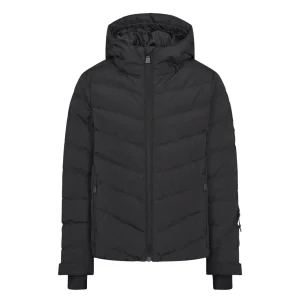
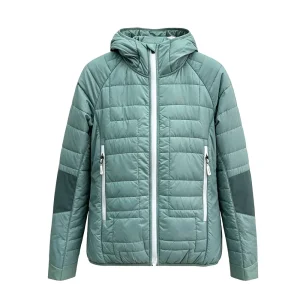
| Executive & Urban Light Puffer | 20D Micro-Ripstop Toray-grade Nylon with ultrasonic baffling | Retail apparel brands in Punta Carretas, Carrasco & Punta del Este | IDFL Down Leakage Test, OEKO-TEX Standard 100 Annex 6 |
| Heated Cold-Chain Thermal Jacket | Softshell Bonded Polar Fleece + Multi-Zone Carbon Nanotube Wire | Cold storage logistics, dairy processing, offshore fishing vessels | CE / FCC / RoHS battery safety, UNIT electrical compliance |
Navigating import tariffs, Mercosur trade rules, bilingual labeling requirements, and bonded warehouse clearance with complete factory documentation.
Operating in the Southern Hemisphere requires inverse production timing. Uruguayan retailers and enterprises plan autumn/winter campaigns (commencing May/June) between October and December. Our Quanzhou manufacturing hubs optimize prototyping in November, bulk cutting in January, and oceanic departure from Xiamen/Fuzhou in February to ensure arrival at Puerto de Montevideo by April.
Importing apparel into Uruguay is governed by the Technological Laboratory of Uruguay (LATU) and Common Market Group Resolution (GMC Res 33/07). We ensure permanent sewn-in bilingual labels denoting fiber composition percentages (in Spanish), corporate identification (RUT number of the Uruguayan importer), country of origin ("Hecho en China"), and standardized ISO 3758 wash symbols.
Whether your enterprise operates via Montevideo Free Port or through Zonamerica free zones, we deliver end-to-end documentation: clean ocean bills of lading (B/L), verified gross mass (VGM), detailed packing lists with net/gross weight per carton, commercial invoices formatted for Uruguay customs (DNA - Dirección Nacional de Aduanas), and CO (Certificate of Origin) documents.
How our smart manufacturing campus leverages vertical integration, localized raw material sourcing, and robotic automation to deliver unyielding quality and cost stability.
Located in the Quanzhou Taiwanese Investment Zone, Fujian, our manufacturing center thrives within China's densest technical apparel cluster. From raw yarn texturing and chemical filament weaving to microporous membrane lamination, all primary inputs are sourced within a 30-kilometer radius.
This geographical compression reduces lead times by 15-20 days compared to inland factories and shields Uruguayan buyers from upstream price fluctuations and shipping delays. Our fully digitized Manufacturing Execution System (MES) monitors fabric batch dyeing, automated laser cutting, and robotic sewing stations in real time.
To guarantee an initial pass rate exceeding 98%, our facility operates an accredited in-house functional testing facility. Every bulk run designated for the Latin American market undergoes four tiers of rigorous inspection:
1. Raw Material Audit: Visual spectrometry for colorfastness, hydrostatic pressure testing, and yarn tear strength verification.
2. In-Line Seam Integrity: Continuous thermal tape adhesion calibration under 0.35 MPa pressure.
3. Pre-Shipment AQL 1.5/2.5 Audit: Dimensional measurement verification, zipper cycle fatigue tests, and water resistance validation.
A streamlined six-phase execution framework designed to minimize risk, ensure total transparency, and accelerate time-to-market for international buyers.
Share CAD sketches, tech packs, or reference samples. We conduct digital pattern digitization, calculate precise fabric yields, and formulate comprehensive FOB/CIF cost breakdowns within 24 to 48 hours.
Pantone-matched lab dips and custom trim mockups are dispatched via DHL/FedEx within 7 to 10 working days. Pre-production fit samples confirm grading, silhouettes, and hardware placement.
Fabric swatches undergo internal hydrostatic, breathability, and abrasion checks. Test reports are compiled for your technical compliance file prior to cutting bulk material.
Utilizing computerized Gerber cutters and laser-guided automated sewing, our 6+ dedicated production lines handle bulk runs of 500 to 50,000 pieces with minimal human variance.
Application of Mercosur-compliant Spanish tags, EAN-13 barcodes, silica gel packs, and export-grade 5-ply corrugated master cartons tailored for containerized maritime voyages.
Direct maritime dispatch from Xiamen/Fuzhou Port to Montevideo via reliable ocean carriers (Maersk, MSC, COSCO). Full shipping manifests, packing lists, and commercial invoices supplied immediately upon vessel departure.
Clear, expert responses to commercial questions on minimum order quantities, import compliance, lead times, and customization options.
Our standard OEM MOQ is 500 to 800 pieces per style, which can be split across 2 to 3 colorways and full size runs (e.g., S through 3XL). For ODM styles using stock functional fabrics from our warehouse, we can support trial orders starting at 300 pieces per style. This flexibility allows Uruguayan brands to test new collections without excessive inventory exposure.
We collaborate closely with international inspection agencies such as SGS, TÜV, and Intertek to test and certify fiber composition, colorfastness, and dimensional stability before dispatch. Furthermore, all physical care labels are prepared in Spanish adhering to LATU and Mercosur GMC Res 33/07 standards, including exact generic fiber names, importer tax ID (RUT), and standardized wash care symbols.
Since Uruguay's cold season begins in May/June, sampling and prototyping should be completed between September and November. Purchase orders should be confirmed and fabric booked in December or early January. This allows bulk manufacturing during January and February, followed by ocean transit (approx. 35 to 45 days from southern China ports to Puerto de Montevideo), ensuring stock arrives by late March or early April.
Yes. Our smart heated garments utilize low-voltage 5V (USB-A / Type-C) or 7.4V battery systems with carbon-fiber or graphene heating elements. The control modules feature triple-tier temperature regulation and automatic overheat shut-off protection. All electronic components hold CE, RoHS, and FCC certifications, making them completely safe for commercial import and domestic retail in Uruguay.
Yes. We routinely export on FOB (Xiamen/Quanzhou) or CIF (Montevideo) terms where the consignee is located inside a Zona Franca (such as Zonamerica or Parque de las Ciencias) or utilizes the Free Port regime of Montevideo. Invoices and shipping documents are formatted specifically to satisfy Uruguayan customs declarations (DUA) for transit or bonded storage.
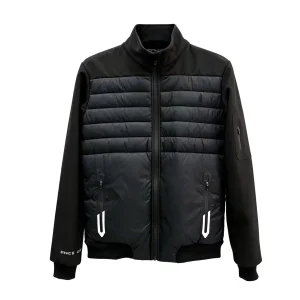
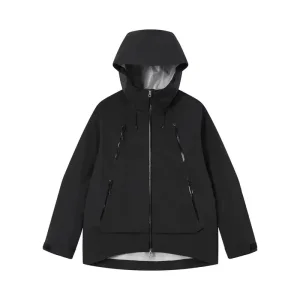
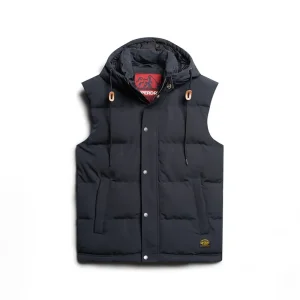
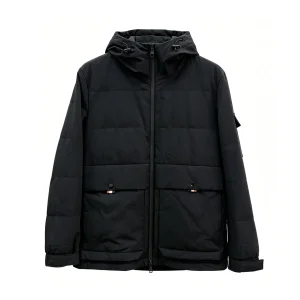
Review our core manufacturing styles. Each design can be fully customized with your brand's specifications, custom tech fabrics, tailored fits, and proprietary color palettes.
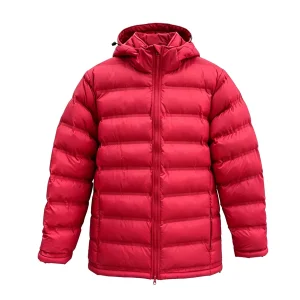
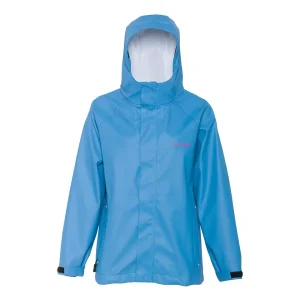
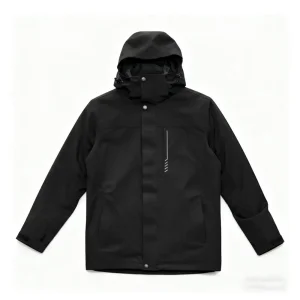
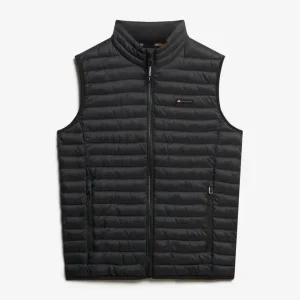
Partner with ZanQian Garment. Leverage certified manufacturing, dedicated ODM/OEM design support, bilingual documentation, and resilient ocean freight logistics to Puerto de Montevideo.