Engineered to withstand heavy precipitation and severe mechanical shear while adhering strictly to North American safety and durability benchmarks.
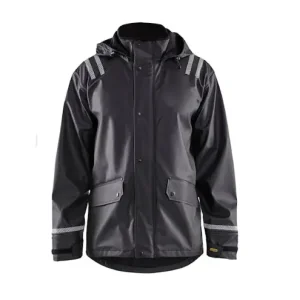
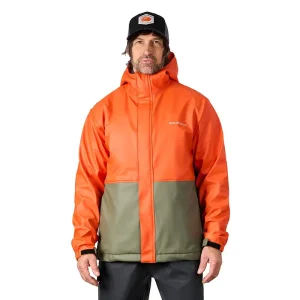
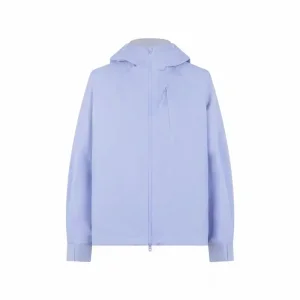
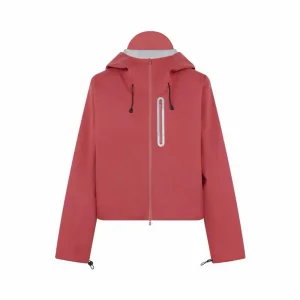
The demand across the 50 US states for performance-grade waterproof outerwear spans diverse commercial silos: from rugged Pacific Northwest logging and coastal fisheries requiring puncture-resistant heavy PU/PVC coats, to Northeast suburban commuters adopting lightweight breathable 3-layer laminated shells, and massive Southern outdoor entertainment/theme parks requiring cost-efficient, bulk-sourced emergency ponchos.
As American buyers pivot toward supply-chain resilience and shorter lead times, manufacturing partners must offer end-to-end technical agility. This involves transitioning from conventional perfluorochemical repellents to advanced C0-DWR fluorine-free hydrophobic barriers, maintaining strict colorfastness under harsh UV exposure, and providing automated ultrasonic seam lamination that eliminates micro-leak points under high hydrostatic heads.
States like California (AB 1817), New York (S438), and Minnesota have enacted total bans on intentionally added PFAS/PFCs in apparel. Our factory has completed comprehensive chemical phase-outs, utilizing bio-based and silicone-free C0 hydrophobic treatments that pass both AATCC 22 spray tests and strict gas-chromatography total fluorine verifications (<50 ppm).
A comprehensive matrix detailing structural laminations, test protocols, and production variables required for defect-free bulk shipments to US distribution hubs.
| Garment Architecture | Membrane & Substrate Options | US Test Standard & Threshold | Typical US Procurement Application |
|---|---|---|---|
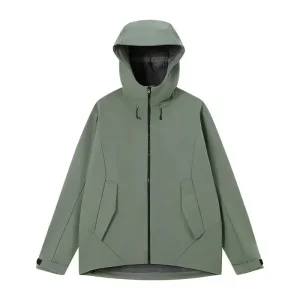
| 3-Layer Technical Shell (3L) | 75D/150D Recycled Polyester or Cordura® Nylon + Hydrophilic Monolithic TPE Membrane + 20D Tricot Backing | AATCC 127 Hydrostatic Head ≥ 20,000 mm; ASTM E96 Inverted Cup MVTR ≥ 15,000 g/m²/24h | Alpine recreation, technical backcountry trail running, high-end private-label outdoor brands. |
| 2.5-Layer Packable Rainwear | 50D Ripstop Polyester/Nylon + Microporous PU coating + Protective Carbon/Ceramic Print Layer | ASTM D751 Hydrostatic ≥ 10,000 mm; AATCC 35 Rain Penetration Test (<1g water absorption) | Golf apparel, daily metropolitan commuting collections, corporate branded performance merchandise. |
| Industrial Storm Raincoat | 300D Oxford Polyester with heavy PU/PVC back-coating, flame-resistant treatments on demand | ANSI/ISEA 107-2020 High-Visibility; ASTM F1671 Blood-Borne Pathogen resistance options | Highway utility crews, airport ground handling, port logistics, municipal sanitation teams. |
| Heavy-Duty Weather Poncho | 0.18mm–0.30mm Eco-EVA, Thermoplastic Polyurethane (TPU) or 210T Ripstop Taffeta with bound seams | CPSC Phthalates (16 CFR Part 1307) < 0.1%; CPSIA Lead Compliance (<100 ppm) | Stadium operations, collegiate athletic programs, disaster relief reserves, theme parks. |
Every stitched seam introduces thousands of needle perforations. We utilize 3-ply specialized hot-melt TPU tape applied via digitally calibrated hot-air sealing machines (temperature precision ±2°C), ensuring complete water barrier retention after 50 industrial wash cycles.
US logistics cycles often expose garments to high heat and humidity during maritime container transit. Our controlled dye formulas achieve Grade 4+ fastness under AATCC 61 2A wash testing and AATCC 16 UV lightfastness, eliminating dye migration on color-blocked shells.
From yarn extrusion to warehouse clearance, every roll of fabric is cataloged with barcode tracking. Sourcing agents receive full material physical property test sheets, lot-by-lot inspection logs, and certificate of origin documentation prior to bill of lading issuance.
Exporting outerwear into ports such as Long Beach, Los Angeles, Savannah, and Newark demands full alignment with rigorous US federal and state standards. Overlooking textile labeling, chemical restrictions, or flammable fabric guidelines can trigger costly customs holds, CBP detentions, and commercial recalls.
Precise percentage breakdowns of shell fabrics, linings, and trims in accordance with 16 CFR Part 303. RN/WPL code placement, RN database alignment, and care instruction standardization via ASTM D5489 symbols.
All child-focused rainwear and adult hardware (zippers, snaps, eyelets, toggles) are rigorously screened for lead content (<90 ppm for surface coatings, <100 ppm for substrates) and 8 restricted ortho-phthalates.
Independent third-party batch testing (SGS/ITS/TÜV) verifying that plasticizers (DEHP, DBP, BBP), cadmium, and organotins are either non-detectable or fall well within Safe Harbor limits, mitigating Prop 65 warning exposure.
Assistance with appropriate HTS subheadings (e.g., 6201.40, 6202.40, 6210.20, 3926.20) for rain apparel, verifying water-resistance criteria under Chapter 62 Additional U.S. Note 2 to avoid tariff classification rejections.
Whether you operate on an FOB Quanzhou/Xiamen basis, require bonded warehouse transshipment, or necessitate turnkey DDP (Delivered Duty Paid) pricing straight to your US 3PL fulfillment network, our shipping operations integrate seamlessly with major ocean liners (Maersk, COSCO, MSC, ONE).
Digital 3D pattern development via Clo3D allows virtual fitting approvals within 72 hours, reducing physical prototype cycles to 7–10 days before master pattern freezing.
Rain jackets in compressed polybags are vulnerable to container sweat. We deploy desiccant blankets, sealed carton poly-liners, and moisture-barrier silica sachets to maintain interior container relative humidity below 50% during long ocean voyages.
Carton marking, master packing slips, and individual garment hangtags are generated in 100% compliance with GS1-128 barcode standards, ensuring immediate scanning access at Amazon FBA, REI, Walmart, and Home Depot DC centers.
Driving forward the intersection of ecological responsibility, functional durability, and smart climate control for modern apparel programs.
By producing the shell, waterproof membrane, seam tape, and drawcords exclusively from 100% recycled Polyethylene Terephthalate (rPET), the entire rain garment can be shredded and remelted into circular polymer chips at the end of its useful life, completely eliminating textile landfill separation issues.
Integrating hexagonal monolayer graphene nanoplatelets within the inner backing fabric of our thermo-rain coats. This technology evenly disperses body thermal energy across core cold spots while maintaining ultra-low weight and eliminating down migration.
Replacing traditional monolithic films with solvent-free electrospun nanofiber web structures that offer billions of microscopic air pores per square centimeter. This yields unparalleled air permeability (>0.5 CFM) while maintaining hydrostatic water resistance above 25,000 mm.
Clarifying technical capabilities, regulatory documentation, minimum order quantities, and freight arrangements for US buyers.
Engineered for high-volume import programs across commercial, tactical, outdoor retail, and seasonal institutional sectors throughout North America.
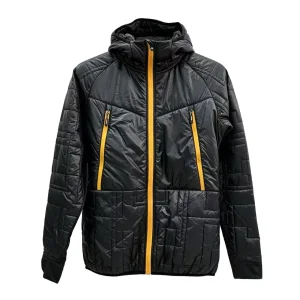
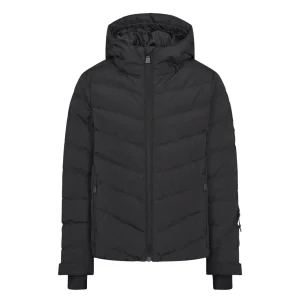
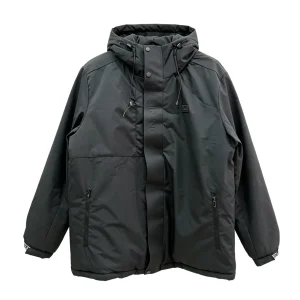
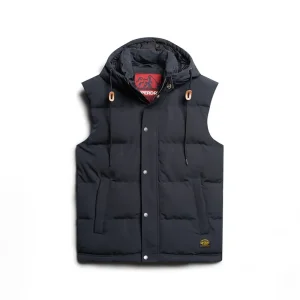
Request bespoke fabric swatch books, membrane test certifications, factory audit records (BSCI, ISO9001, WRAP), and full CIF/FOB quote sheets tailored to your brand's technical tech pack.
