Engineered for immediate deployment across Chile's severe sub-polar squalls, coastal aquaculture operations, and Andean mining sites. High hydrostatic head ratings with fully sealed seam architecture.
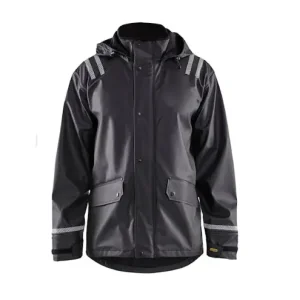
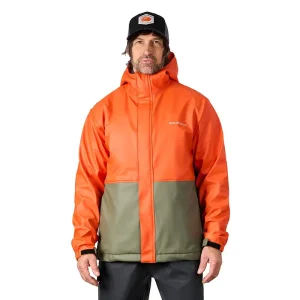
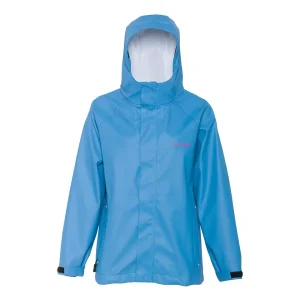
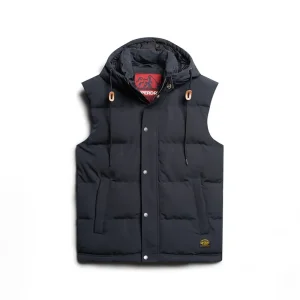
Procuring rain jackets, storm ponchos, and high-performance outerwear for the Republic of Chile requires an advanced understanding of non-uniform terrain and extreme climatic diversity. Extending over 4,300 kilometers along South America's southwestern perimeter, Chile spans from the hyper-arid Atacama Plateau in the north to the sub-Antarctic glacial fjords of Magallanes in the south. This geographical extreme creates distinct technical specifications for industrial protective equipment (PPE) and commercial outdoor retail.
In the Los Lagos and Aysén regions, where aquaculture and salmon farming form the economic backbone, workers contend with continuous exposure to marine spray, corrosive salt air, and hyper-dense precipitation exceeding 3,000 mm annually. Rainwear designed for these conditions must provide impermeable hydrostatic heads (minimum 15,000 mm to 20,000 mm H₂O) paired with cold-crack resistant polyurethane (PU) or thermo-laminated TPU membranes that maintain pliability at near-freezing temperatures.
Conversely, the high-altitude Andean mining corridors across Antofagasta, Calama, and Tarapacá present a dual challenge: intense daytime solar ultraviolet radiation combined with sudden, violent Andean storms ("Invierno Altiplánico"). Heavy-duty jackets for copper, lithium, and molybdenum operations require reinforced ripstop weaves (typically 300D to 600D Oxford nylon/polyester), high-visibility fluorescent standards (compliant with Chilean NCh standards and EN ISO 20471), and micro-taped thermal laminations capable of resisting shearing winds and sharp rock dust abrasion.
Strategic Commercial Insight: The bilateral China-Chile Free Trade Agreement (FTA) grants preferential zero-tariff status to textiles and functional outerwear produced under compliant rules of origin. Chilean importers, brand owners, and procurement consortia can leverage direct OEM manufacturing to bypass intermediaries, drastically lowering landed unit costs while customizing exact hydrostatic and breathability specifications.
Saltwater-resilient welding, double storm flaps, and anti-fungal PU treatments engineered for salmon harvesting fleets in Puerto Montt, Chiloé, and Punta Arenas.
Tri-layer hardshells combining windproof breathability, flame-retardant outer yarns, and retro-reflective thermal banding for extreme Andean mining elevations up to 4,500m.
Ultralight, packable 2.5-layer breathable storm ponchos and technical trekking shells built for the high-end international outdoor retail market operating in Torres del Paine.
The global functional outerwear sector is navigating the most significant chemical transition in forty years. The phase-out of long-chain per- and polyfluoroalkyl substances (C8 and C6 fluorocarbons) has compelled tier-one textile manufacturers to innovate non-fluorinated, eco-friendly Durable Water Repellent (DWR) formulations. For enterprise buyers supplying Chilean industries, this transition presents a distinct procurement test: achieving durable water shedding without sacrificing oil, grease, or fuel repellency in harsh operational environments.
Contemporary rain jackets and technical ponchos utilize monolithic and microporous thermoplastic polyurethane (TPU), expanded polytetrafluoroethylene (ePTFE)-alternatives, and recycled polyester (rPET) membranes. Hydrophilic monolithic membranes transfer vapor molecules through solid-state intermolecular diffusion, preventing pore-clogging caused by salt crystallization—a frequent issue when standard microporous jackets are worn in coastal Chilean maritime operations.
| Lamination Architecture | Hydrostatic Head (ISO 811) | Breathability (JIS L1099 B1) | Target Industrial Segment in Chile | Recommended Shell Face |
|---|---|---|---|---|
| 3-Layer (3L) Heavy Hardshell | 20,000 mm+ H₂O | 15,000 - 20,000 g/m²/24h | Andean Mining, Glacial Exploration | 75D - 150D Mechanical Stretch Ripstop |
| 2.5-Layer (2.5L) Lightweight | 10,000 - 15,000 mm H₂O | 10,000 g/m²/24h | Patagonia Trekking, Forestry Oversight | 50D Recycled Mini-Ripstop Nylon |
| High-Caliber Heavy PU Coated | 15,000 mm+ H₂O | Air Impermeable / Sealed | Aquaculture, Deep-Sea Fleet Harvest | 300D Polyester Oxford (High Tear Modulus) |
| Hybrid Softshell / Rain Coat | 8,000 - 10,000 mm H₂O | 5,000 - 8,000 g/m²/24h | Mining Transport, Port Freight Logistics | Bonded Polar Fleece with TPU Core |
Furthermore, seam integrity determines garment reliability. A single unsealed needle hole can admit up to 15 milliliters of water per hour under moderate rain pressure. High-spec manufacturing lines use tri-directional computerized hot-air tape sealing machines that apply 18 mm to 22 mm polyurethane sealing tape at precise temperatures (typically between 380°C and 420°C depending on fabric density) and pneumatic pressures of 0.35 to 0.45 MPa. This ensures the welded seam meets or exceeds the hydrostatic burst threshold of the parent fabric.
Advanced bio-based and silicone-modified DWR formulations achieving Spray Rating 90+ after 20 commercial laundering cycles, complying with stringent global eco-mandates.
Every textile dye-lot undergoes in-house Suter hydrostatic tester validation (ISO 811 / AATCC 127) to verify sustained high-pressure resistance before pattern cutting begins.
Molecular bonding of thermoplastic fabrics without needle perforations, delivering flat, chafe-free waterproof seams for technical rain ponchos and high-mobility workwear.
While nearshoring to regional Latin American producers is occasionally evaluated by Santiago purchasing teams, the complex vertical integration of the Quanzhou outerwear cluster in Fujian, China, provides unmatched technical precision, raw material availability, and production throughput. Technical rain jackets and industrial ponchos cannot be assembled efficiently in standard CMT (Cut, Make, Trim) facilities; they require specialized infrastructure including CNC laser cutters, high-speed seam-sealing lines, automated bar-tacking, and specialized in-line pressure chambers.
Our vertically integrated facility operates across 5,000+ square meters, running 6+ lean-optimized manufacturing lines with over 150 skilled sewing and thermal-welding technicians. Producing over 80,000 pieces monthly, we control the entire lifecycle from computerized pattern grading (CAD/CAM) to raw material inspection, laminated bonding, assembly, and multi-stage quality assurance audits.
Immediate access to local weaving mills, TPU membrane laminators, custom-molded waterproof zip manufacturers, and technical trim suppliers reduces prototyping lead times to under 7 days.
Every production batch is tested internally for hydrostatic water column, water vapor permeability (RET / MVTR), Martindale abrasion resistance, and seam-tape peel adhesion before container stuffing.
Applying lean 5S systems and strict in-line QA checkpoints across cutting, taping, stitching, and finishing ensures consistency across high-volume container deliveries bound for Chile.
Optimizing supply chain value when sourcing protective foul-weather rain gear from China to Chile hinges on thorough preparation across documentation, technical specifications, and oceanic shipping logistics. Navigating bilateral trade frameworks like the China-Chile Free Trade Agreement allows commercial purchasers to eliminate tariff burdens, giving them a sharp competitive edge over brands relying on intermediate distributors.
Under the deepened China-Chile FTA, functional outerwear classification under HS Chapter 62 (such as HS 6201 and 6202 for men's and women's anoraks, ski-jackets, and wind-cheaters, and HS 6210 for waterproof garments made from laminated fabrics) qualifies for 0% preferential tariffs upon entry into customs points like San Antonio, Valparaíso, and Iquique. Our documentation division coordinates with China Council for the Promotion of International Trade (CCPIT) and China Customs to issue compliant Form F certificates, eliminating standard 6% import tariffs.
Ocean freight routes running from Xiamen or Ningbo ports to San Antonio or Valparaíso typically range between 28 and 35 calendar days. Enterprise buyers orchestrating procurement for the Chilean rainy winter season (May through August) should finalize prototyping, lab dip sign-offs, and pre-production samples (PPS) by December or January. This timeline accommodates Chinese New Year manufacturing cycles and ensures sea freight departs in March or April.
Technical Pack (Tech Pack) Sourcing Checklist: When requesting quotation matrices, Chilean sourcing managers should supply: (a) Fabric denier, yarn density, and membrane chemistry; (b) Required hydrostatic column (mm H₂O) under ISO 811; (c) Taped seam breadth (typically 20mm 3-layer or 15mm 2.5-layer); (d) Zipper technical type (e.g., standard nylon coil vs. reverse matte TPU waterproof coil); and (e) Local certification targets (e.g., Chilean SEC or INN alignment, or international CE/ANSI parity).
The outerwear manufacturing landscape is evolving past static passive weather barriers. Today's commercial brands and corporate safety divisions in Chile increasingly request multipurpose garments that tackle both extreme rain and sub-zero Andean/Patagonian temperatures in a single operational unit.
Key technical shifts shaping current OEM/ODM development include:
Integrated micro-flexible heating grids engineered for seamless lamination between waterproof outer membranes and inner linings, fully machine-washable.
Fully circular rainwear engineered entirely from certified recycled polyester, simplifying waste processing and supporting corporate sustainability commitments.
Computerized marker-making and automated laser layout systems reduce technical fabric waste by up to 12%, passing meaningful savings directly on to container-scale purchase orders.
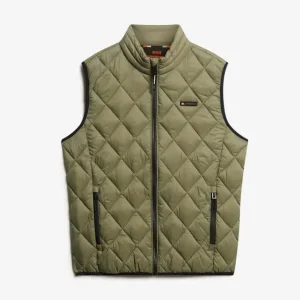
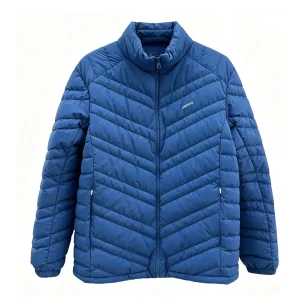
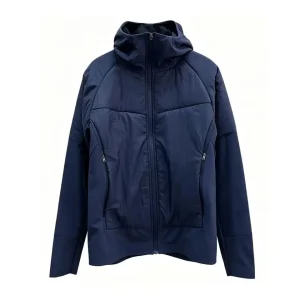
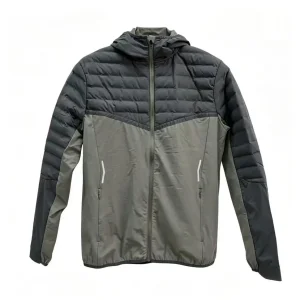
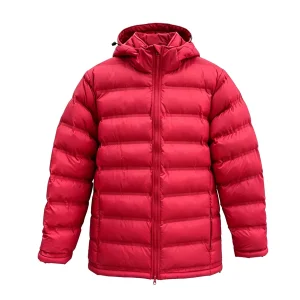
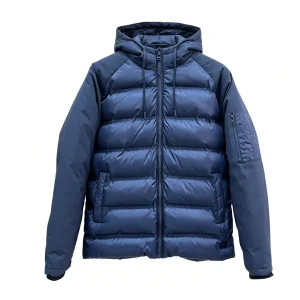
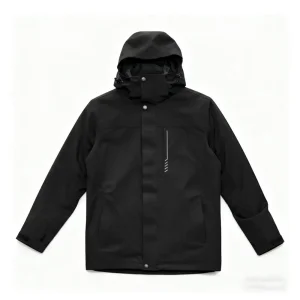
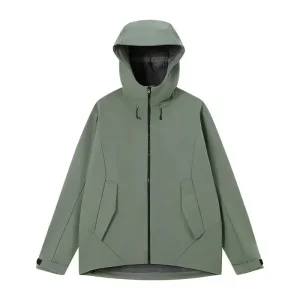
Full OEM/ODM manufacturing lineup serving Chilean procurement contracts, safety equipment distributors, and commercial adventure brands. Available for private-label production runs.
Key technical, regulatory, and logistics clarifications for apparel sourcing executives, PPE category leads, and private-label retail buyers.
Under the established China-Chile FTA, waterproof apparel items categorized within HS Chapters 6201, 6202, and 6210 enter Chile completely free of custom duties (0% tariff) when backed by a legitimate Form F Certificate of Origin issued by CCPIT or authorized customs agencies in China. Standard shipments from non-FTA countries otherwise incur a 6% ad-valorem duty rate plus local VAT (19% IVA). Our dedicated customs compliance team prepares all required documentation to ensure smooth, zero-tariff customs release at Chilean entry ports.
For open-water aquaculture platforms across Puerto Montt and the Patagonian channels, we recommend heavy-duty woven polyester shells (300D to 600D) paired with a heavy monolithic PU or TPU film yielding at least 15,000 to 20,000 mm H₂O hydrostatic resistance. All major seams require 20mm or 22mm hot-melt polyurethane seam-sealing tape, applied with pneumatic hot-air welders to eliminate pinhole seepage under driving saltwater spray.
Yes. We operate extensive OEM and ODM workflows. For ODM programs, buyers select from our portfolio of fully engineered jackets and adjust trim configurations, corporate color blocking, silicone badges, and reflective positioning. For OEM programs, we produce directly to your tech packs, grading patterns to local Latin American demographic sizing charts and incorporating brand-specific heat transfers, woven care labels in Spanish, barcoded hangtags, and custom eco-polybag packaging.
Our standard MOQ begins at 500 to 800 pieces per style/colorway for fully custom-dyed technical shell textiles, while styles using readily stocked raw materials can be produced starting at 300 pieces. Once the Pre-Production Sample (PPS) is formally approved, bulk production is completed within 35 to 45 business days. Sea transit from Quanzhou/Xiamen to Valparaíso or San Antonio requires roughly 30 to 35 days on direct shipping lines.
Our on-site textile testing center examines all incoming fabric bolts using Suter-style hydrostatic testers (ISO 811 / AATCC 127) and evaluates surface DWR with AATCC 22 spray rating apparatus. Assembled garments undergo random hydrostatic pressure tests on seam junctions and zipper terminations, ensuring seam-tape adhesion exceeds 15 N/25mm under peel tests, maintaining dependable waterproof reliability in rugged field operations.
Submit your technical parameters, target delivery dates, or sample tech packs. Our bilingual engineering and merchandising team will return material recommendations, target price breakdowns, and prototyping plans within 24 hours.
