
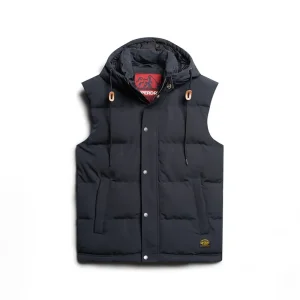
Curated thermal insulation garments designed to balance Mediterranean coastal damp resistance with the sub-alpine thermal demands of the Catalan hinterlands.
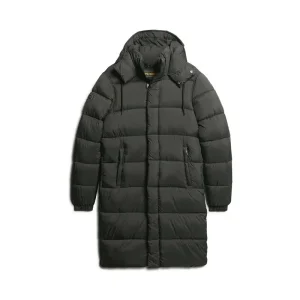
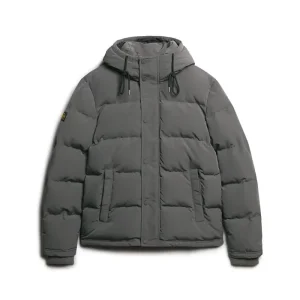
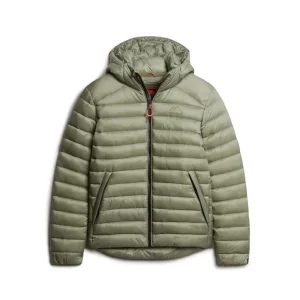
A rigorous examination of Barcelona’s supply requirements across corporate, retail, and municipal sectors requiring advanced thermal protection.
The Metropolitan Area of Barcelona (Àrea Metropolitana de Barcelona - AMB) and the broader territory of Catalonia represent one of Southern Europe's most sophisticated and demanding procurement landscapes for technical outerwear. While stereotypical perceptions often frame the Mediterranean basin through the lens of warm, arid summers, procurement managers, technical directors, and apparel buyers operating across Catalonia face a unique dual-demand paradigm: managing intense coastal relative humidity during the winter months (averaging 75% to 85% between November and March with damp breezes from the Balearic Sea) and serving a population with immediate geographic proximity to the Pyrenean alpine corridor (Val d'Aran, La Molina, Baqueira-Beret).
In the urban core of Barcelona—spanning the technology clusters of 22@ Poblenou, the corporate axes along Avinguda Diagonal, and the retail corridors of Passeig de Gràcia—the structural rise of micro-mobility (e-bikes, electric scooters, and walking commutes) has revolutionized the functional profile demanded by fashion-forward athleisure and executive corporate uniform lines. A standard polyester-padded coat fails rapidly in this environment; morning commuters require high-breathability laminates (minimum 10,000 g/m²/24h) to release metabolic heat generated during transit, combined with wind-impermeable outer face fabrics that halt maritime gusts without creating an internal sauna effect.
Direct clearance and distribution access through the Zona d’Activitats Logístiques (ZAL Port). Fully prepared for TARIC Chapter 62 documentation, optimized customs processing, and streamlined freight forwarding into the Iberian freight network.
Alignment with strict Generalitat de Catalunya sustainability directives and the EU ESPR framework. Guaranteed PFAS-free (C0 DWR) hydrophobic coatings, GRS-certified recycled insulations, and full OEKO-TEX Standard 100 Class I/II compliance.
Engineered to transition from Barcelona city avenues to 2,500m Pyrenean altitudes. Multi-zone thermal mapping, down-proof high-tenacity ripstop nylon, and ultrasonic welded baffles that eliminate needle puncture thermal bridges.
From an industrial perspective, Catalonia hosts some of Europe's most significant pharmaceutical cold-chain facilities, logistics hubs near El Prat Airport, and marine operations along the Port of Barcelona. Personnel operating in deep freeze preservation (+4°C down to -25°C) or high-visibility dockside environments require certified heavy-duty insulated workwear. As an experienced manufacturing partner based in Quanzhou with more than 150 skilled craftsmen across 6+ lean production lines, ZanQian Garment bridges the gap between high-volume production economics and strict European technical standards.
How the worldwide insulated apparel industry is shifting toward closed-loop circular systems, ultra-light thermal retainers, and Digital Product Passports.
The global wholesale insulated outerwear market is experiencing a profound paradigm shift driven by legislative mandates in the European Union, technological leaps in polymer chemistry, and volatile raw material pricing. Historically, outerwear manufacturing relied heavily on long-chain fluorinated water repellents (C8 and C6 chemistry) to achieve durable water repellency (DWR) while preventing feather clumping or synthetic matting. With the European Chemicals Agency (ECHA) accelerating comprehensive per- and polyfluoroalkyl substances (PFAS) restrictions, brand owners in Spain and across Europe must urgently secure supply chains that utilize non-fluorinated, vegetable-oil-based or silicone-modified C0 DWR technologies that preserve water column ratings above 10,000mm without compromising environmental compliance.
Concurrently, the debate between natural goose/duck down and advanced synthetic insulation has reached a state of technological synthesis. While Responsible Down Standard (RDS) certified down with 700 to 850 fill power remains the gold standard for pure warmth-to-weight ratios in extreme, dry alpine scenarios, synthetic hollow-core microfibers and bio-based sorghum/PLA fills provide unmatched performance in damp environments—such as the coastal microclimates of Barcelona, Girona, and Tarragona—where moisture can cause un-treated natural down to collapse and lose its insulative loft.
| Thermal Insulation Architecture | Moisture Resistance (75%+ RH) | Compression Recovery (Cyclic) | Weight-to-Loft Ratio | Primary Regional Use Case (Catalonia) |
|---|---|---|---|---|
| Hydrophobic RDS Natural Down (800 FP) | High (Fluorine-Free Plasma Treated) | 96% after 1000 pack cycles | Exceptional (>18 clo/kg) | Pyrenean Alpine Trekking, Winter Ski Resort Retail |
| Recycled Hollow-Core Microfiber (GRS) | Superior (Retains 90% Loft when Wet) | 88% after 1000 pack cycles | Very Good (12–14 clo/kg) | Barcelona Urban Commuting, Motorbike Outerwear |
| Aerogel-Infused Synthetic Matrix | Absolute (Zero Structural Collapse) | 94% after 1000 pack cycles | Ultra-Low Bulk (16–20 clo/kg) | Industrial Cold Storage, Ultra-Slim Corporate Puffer |
| Hybrid Micro-Down / Softshell Composite | Zoned Resistance (Softshell Core + Baffles) | 90% after 1000 pack cycles | Balanced Ergonomic | Active E-Bike Transit, Port of Barcelona Field Work |
Under the EU's Ecodesign for Sustainable Products Regulation (ESPR), brands operating within the Spanish single market must prepare for end-to-end traceability down to the tier-3 yarn spinner and chemical supplier. ZanQian Garment's integrated production tracking provides wholesale buyers with the required transactional data blocks: chemical batch registration, certified textile supply origins, and automated cutting yield analyses that minimize post-industrial textile waste below 4.5%.
Four specialized product and engineering profiles solving regional climate, corporate, and recreational challenges.
The Challenge: High metabolic variance. Moving from chilly, windy street corners near Plaza de Catalunya into packed underground metro carriages or climbing steep inclines in Montjuïc and Sarrià creates immediate perspiration followed by rapid evaporative cooling chills.
The Factory Solution: Strategic hybrid zoning. Utilizing 40g/m² recycled high-filament synthetic fill across the core chest and kidneys, paired with laser-perforated underarm stretch-fleece gussets and 20D micro-ripstop breathable shells that disperse excess moisture while deflecting 40 km/h wind shear.
The Challenge: Extreme sub-zero temperatures down to -15°C, high ultraviolet index, and continuous abrasion from rock faces, heavy ski packs, and ski boot hardware in resorts like Baqueira, Espot, and Boí Taüll.
The Factory Solution: 750+ fill power RDS water-repellent down housed in 40D Cordura® reinforced shoulder and elbow zones. Fully welded 3D box-wall baffle construction that eliminates cold spots caused by through-stitch punctures, complete with helmet-compatible storm hoods and Cohaesive™ integrated cord lock systems.
The Challenge: Strict EN ISO 20471 high-visibility and EN 342 cold-protection certifications required for dock workers, container terminal operators, and pharmaceutical deep-freeze logistics technicians operating 24/7.
The Factory Solution: Heavyweight Oxford 300D polyurethane-laminated shell with flame-retardant, anti-static, and thermal-bond quilted insulation. Heat-sealed prismatic retro-reflective tape, reinforced bar-tacks at all pocket stress points, and heavy-gauge YKK dual-direction zips functional at -30°C.
The Challenge: High aesthetic demands characteristic of the Barcelona design school—clean geometric lines, subtle matte finishes, ultra-quiet drape, and minimal branding with bespoke metal hardware.
The Factory Solution: Seamless bonded baffle channels formed through automated thermal lamination, avoiding outer stitching for a minimalist architectural silhouette. Custom Pantone-matched low-luster memory fabrics paired with OEKO-TEX certified satin linings and concealed magnet flap closures.
A look inside ZanQian Garment's in-house laboratory testing, digitalized lean production lines, and quality verification protocols.
Operating a successful manufacturing partnership across 10,000 kilometers demands absolute transparency and rigorous quality verification at every station. At our 5,000+ square meter Quanzhou manufacturing center, our production architecture follows a closed-loop quality control system designed to eliminate variance before bulk cut-and-sew operations commence.
Every waterproof insulated batch undergoes rigorous hydrostatic head testing up to 20,000mm according to ISO 811. Seam-sealed lines are tested on automated pneumatic pressure testers to guarantee zero leakage under persistent torrential conditions.
Utilizing rotating tumble-box testing according to BS EN 12132-1, shell and liner fabrics are subjected to aggressive cyclic impacts to ensure feather quills and microfiber filaments do not migrate through the fabric or needle stitch holes.
Mediterranean coastal air carries high salt salinity and intense UV radiation. Fabrics undergo xenon arc weathering tests and 5,000-cycle Martindale abrasion tests (ISO 12947-2) to prevent premature fading, surface pilling, or membrane de-lamination.
Navigating global supply chain volatility requires strategic inventory staging and predictable transit timetables. For Catalan and broader Iberian distributors, ZanQian Garment operates dual-mode fulfillment pipelines:
In-depth responses covering technical specifications, MOQ structures, material compliance, and sample turnaround times.
Our standard MOQ for custom OEM production is 500 to 800 pieces per style, which can typically be split across two colorways and standard European sizing (XS through 3XL). For ODM catalog selections using our running in-stock fabrics and trims, we can accommodate agile introductory orders starting from 300 pieces per style.
Yes. In full accordance with EU REACH amendments and evolving Spanish ecological statutes, 100% of our outerwear lines can be ordered with advanced fluorine-free C0 durable water repellent finishes (e.g., Bionic-Finish Eco or Teflon EcoElite™) providing spray test ratings of 90/100 after 20 domestic laundry cycles.
All natural down utilized in our Quanzhou factory is certified under the Responsible Down Standard (RDS) or Global Traceable Down Standard (TDS). Each shipment includes official Scope Certificates and Transaction Certificates (TC) tracking the down from certified agricultural sources to final garment stuffing.
Once your tech pack or reference sample is received, initial pattern drafting and proto-samples take 7 to 10 working days. Following prototype sign-off and pre-production sample (PPS) approval, bulk production runs require 35 to 50 days, depending on custom fabric milling and specialized hardware lead times.
Yes. Our in-house pattern department has over 15 years of experience translating Mediterranean and Northern European anthropometric specs. We calibrate sleeve lengths, shoulder slopes, chest drops, and hem drops precisely to match standard Iberian and European retail market grading systems.
We routinely deliver under FOB (Xiamen/Fuzhou), CIF (Port of Barcelona), or full DDP terms directly to your distribution center in Catalonia (e.g., ZAL Port, El Prat, Vallès Occidental). Our logistics department handles export customs declarations, commercial invoicing, and all required customs documentations.
Explore our complete manufacturing series available for private label OEM/ODM development, bulk corporate purchasing, and retail line extensions.
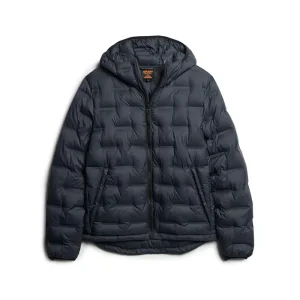
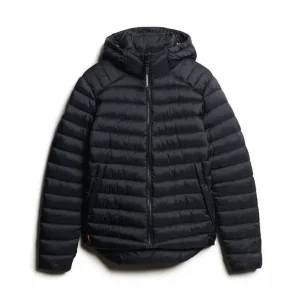
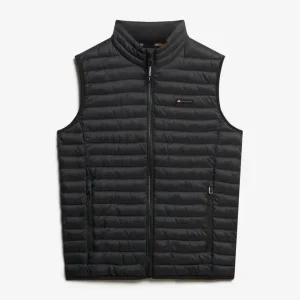
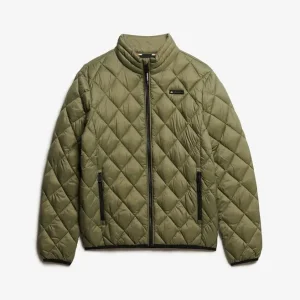
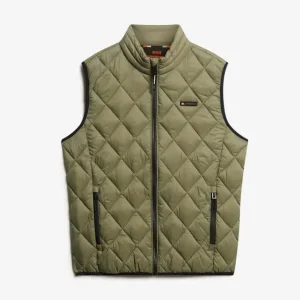
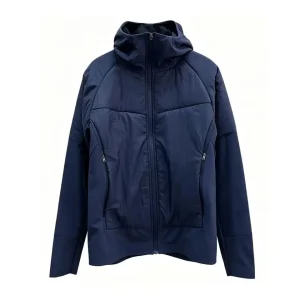
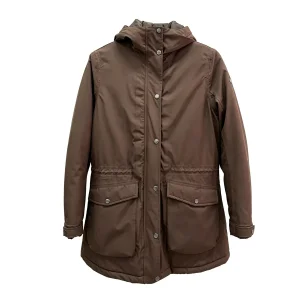
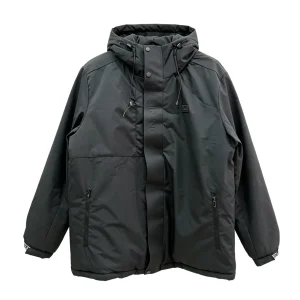
Connect directly with our manufacturing engineering team. Whether developing an exclusive private-label urban puffer line, equipping Catalan corporate fleets, or engineering alpine technical down jackets, we deliver audited quality, transparent pricing, and predictable transit.